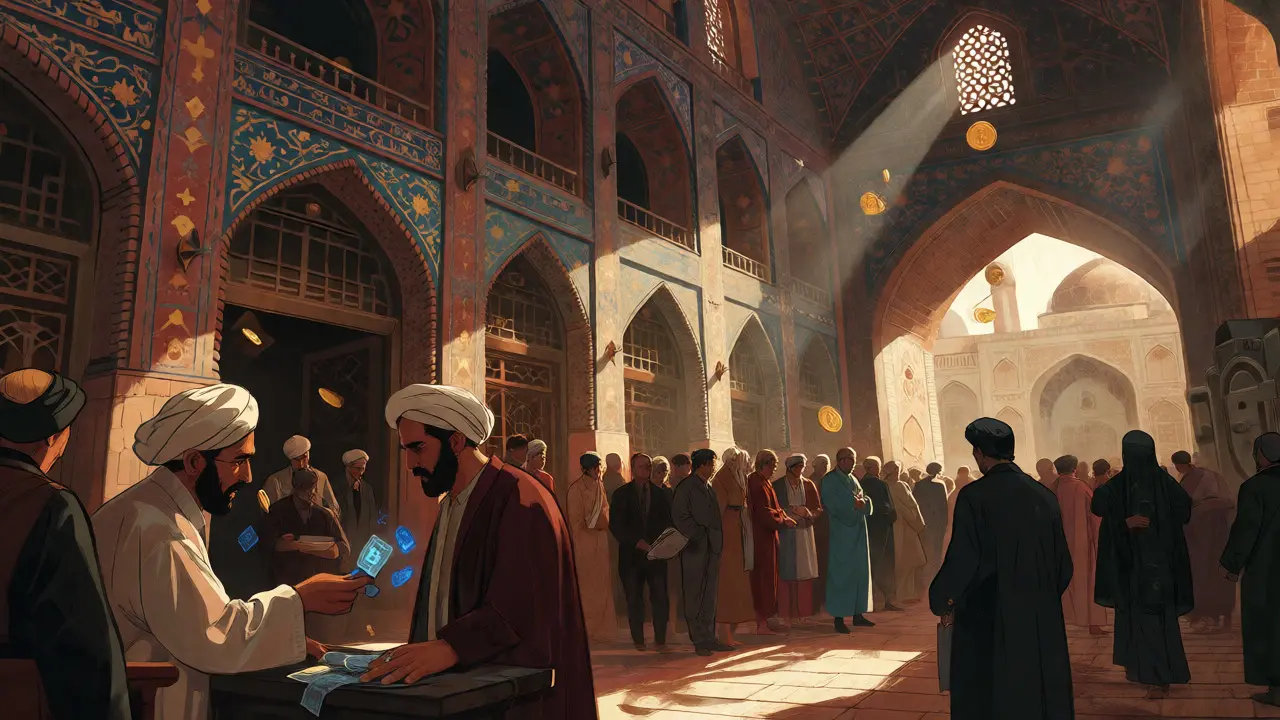
Living in Iran and wanting to trade Bitcoin? You are not alone. Over 11 million Iranians use cryptocurrency daily. But here is the catch: most global platforms block you. Why? International sanctions. So, where can you actually buy, sell, and hold digital assets without your account getting frozen overnight?
This guide cuts through the noise. We look at the real options available to Iranian citizens as of late 2025 and early 2026. We cover domestic giants like Nobitex, which handles nearly 90% of local trades, and international alternatives that still accept Iranian users. We also tackle the big risks: hacks, frozen funds, and new tax laws. If you want to keep your crypto safe while navigating these restrictions, read on.
The Domestic Powerhouse: Nobitex and Its Risks
If you live in Iran, you know Nobitex. It is the biggest player in town. Founded years ago, it now claims over 11 million registered users. Think of it as the Binance of Iran, but with a local twist. It supports major coins like Bitcoin, Ethereum, and Tether. The interface is in Persian, which makes it easy for locals to navigate. You can deposit Rials directly from Iranian banks. This convenience is huge when traditional banking channels are blocked by sanctions.
But size comes with targets. In June 2025, Nobitex suffered a massive security breach. Hackers stole over $90 million. That is one of the largest exchange exploits of the year. Why did this happen? Advanced data analysis linked Nobitex to networks used for cross-border financial operations. Some wallets connected to the Islamic Revolutionary Guard Corps (IRGC) passed through this exchange. This made it a juicy target for sophisticated attackers.
Despite the hack, Nobitex remains dominant. It processes more than 87% of all cryptocurrency transactions within Iran. For many, it is the only reliable way to convert Rials to crypto. However, you must be careful. Keep large amounts off the exchange. Use hardware wallets. Treat Nobitex as a gateway, not a vault. The platform is designated as a sanctioned entity by some international bodies, which adds another layer of complexity if you try to move funds abroad later.
International Alternatives That Still Accept Iranians
Not everyone wants to stay on domestic platforms. Many seek better liquidity, lower fees, or access to newer altcoins. Fortunately, several international exchanges still allow Iranian residents. These platforms often have looser KYC (Know Your Customer) policies or do not strictly enforce geographic bans for basic accounts. Let’s look at the top contenders based on recent evaluations.
MEXC ranks high among Iranian users. It offers support for 196 cryptocurrencies and has a low spot maker fee of 0.2%. The minimum deposit is around $30. Users appreciate its wide selection of tokens, including many that are not listed on larger US-based exchanges. Bitsgap is another option, though it functions more as a trading automation tool. It connects to other exchanges, so you need a base exchange first. XT.com scores well too, supporting over 1,000 cryptocurrencies with a low $10 minimum deposit.
KuCoin is often cited for its user-friendly interface. It allows easy fiat deposits and withdrawals for many regions, though this can vary for Iran. It supports staking and savings programs, letting you earn interest on your holdings. LATOKEN and CoinEx round out the list. Both offer competitive fees and decent coin variety. The key advantage here is diversification. If one platform freezes your funds due to compliance checks, you still have access elsewhere.
Understanding the Sanctions Landscape and Fund Freezes
You cannot ignore politics when trading crypto in Iran. In July 2025, Tether executed its largest-ever freeze of Iranian-linked funds. They targeted 42 cryptocurrency addresses. More than half of these had substantial exposure to Nobitex. This was not random. Blockchain intelligence firms traced these wallets to IRGC-affiliated activities flagged by counter-terrorist financing bureaus.
What does this mean for you? If you hold USDT (Tether), you face specific risks. Centralized stablecoin issuers can freeze your balance if they suspect sanctions violations. After the July freezes, many Iranian users panicked. They moved their funds away from USDT. Where did they go? DAI, a decentralized stablecoin, became popular. Users swapped into DAI via the Polygon network. Why Polygon? It is faster and cheaper than Ethereum mainnet. This shift shows how adaptable Iranian traders are. When one door closes, they find another window.
These enforcement actions disrupt established transaction patterns. Banks cut ties, then crypto rails get scrutinized. You must stay agile. Do not keep all your eggs in one basket, especially if that basket is a centralized stablecoin issuer. Monitor news about Tether and other stablecoin providers. Diversify your stablecoin holdings across different issuers and networks.
New Tax Laws and Regulatory Changes in 2025-2026
Iran is moving from tolerance to active regulation. In August 2025, the government enacted the Law on Taxation of Speculation and Profiteering. This marked the first time Iran imposed capital gains tax on cryptocurrency trading. Crypto is now treated similarly to gold, real estate, and forex. Tehran intends to formally regulate and tax digital asset markets.
Implementation is phased, giving the market time to adapt. But what does this mean for your profits? If you make money trading, expect to pay taxes. You need to keep accurate records. Track every buy and sell. Calculate your cost basis carefully. Failure to comply could lead to fines or legal issues. This law signals that the era of unregulated crypto freedom in Iran is ending. Regulators are watching closely.
For international exchanges, this might mean stricter reporting requirements. Some platforms may ask for proof of tax residency or compliance with local laws. Be prepared for additional documentation steps. Ignoring tax obligations is risky, even if enforcement seems lax initially. Authorities are building the infrastructure to track these flows.

Comparison of Top Exchanges for Iranian Users
Choosing the right exchange depends on your needs. Do you prioritize low fees? Wide coin selection? Or ease of fiat deposits? Here is a breakdown of the leading platforms serving Iranian citizens.
| Exchange | User Rating | Min Deposit | Crypto Support | Spot Maker Fee | Key Feature |
|---|---|---|---|---|---|
| MEXC | 9.1/10 | $30 | 196 Coins | 0.2% | High Altcoin Selection |
| KuCoin | 4.4/5 | Varies | Large List | Competitive | Beginner Friendly / Staking |
| XT.com | 8.3/10 | $10 | 1,010 Coins | 0.2% | Huge Asset Variety |
| LATOKEN | 8.0/10 | $1 | 475 Coins | 0.49% | Low Entry Cost |
| CoinEx | 7.9/10 | $1 | 475 Coins | 0.49% | Reliable Liquidity |
| Nobitex | Local Leader | Rial Based | Major Coins | Variable | Direct Rial Access |
Note that ratings reflect user satisfaction regarding accessibility and features relevant to the region. Fees can change, so always check the current schedule before trading. Nobitex dominates volume but carries higher security risk. International exchanges offer better tools but may lack direct Rial integration.
Practical Tips for Safe Trading
Trading from Iran requires extra caution. First, secure your accounts. Enable two-factor authentication (2FA) everywhere. Use an authenticator app, not SMS, because phone numbers can be intercepted or changed. Second, manage your stablecoins wisely. As seen in the July 2025 freezes, USDT is vulnerable. Consider holding a mix of USDC, DAI, and perhaps native chain stablecoins. Move funds to cold storage whenever possible.
Third, watch your withdrawal methods. Direct bank transfers to Iranian banks from international exchanges are rare. Most users rely on P2P (Peer-to-Peer) trading or intermediary services. This adds friction and risk. Verify the reputation of any P2P merchant. Fourth, stay informed about regulatory changes. The tax law is new. Guidance from local authorities will evolve. Join community forums to hear real-time updates from other traders.
Finally, consider using decentralized finance (DeFi) protocols. Since you control your keys, no central authority can freeze your assets easily. Platforms on Polygon or BSC allow swapping and lending without KYC hurdles. This gives you true sovereignty over your wealth, which is critical when geopolitical winds shift.
Which crypto exchange is best for beginners in Iran?
KuCoin is often recommended for beginners due to its intuitive interface and educational resources. For those who prefer local language support and direct Rial deposits, Nobitex is the standard choice, despite its higher security risks. Start small on either platform to understand the process before committing significant funds.
Can I use Binance in Iran?
Binance has restricted services for Iranian users due to sanctions. While some workarounds exist, such as using VPNs, they carry the risk of account freezing. It is generally safer to stick with exchanges known to accept Iranian residents, like MEXC, KuCoin, or XT.com, to avoid sudden loss of access to your funds.
Why did Tether freeze Iranian crypto addresses?
In July 2025, Tether froze 42 addresses linked to Iranian entities suspected of sanctions evasion. Many were connected to Nobitex and IRGC-affiliated wallets. This action aims to prevent sanctioned entities from using stablecoins for cross-border payments. Users responded by shifting to decentralized stablecoins like DAI.
Is there a tax on crypto trading in Iran?
Yes. The Law on Taxation of Speculation and Profiteering, enacted in August 2025, imposes capital gains tax on cryptocurrency trading. Crypto is now classified alongside speculative assets like gold and forex. Traders should maintain detailed records of transactions to comply with these new regulations.
What happened during the Nobitex hack?
In June 2025, hackers stole over $90 million from Nobitex. This was one of the largest exchange breaches of the year. The incident highlighted vulnerabilities in Iran's primary crypto infrastructure. Users are advised to store long-term holdings in hardware wallets rather than leaving them on centralized exchanges.