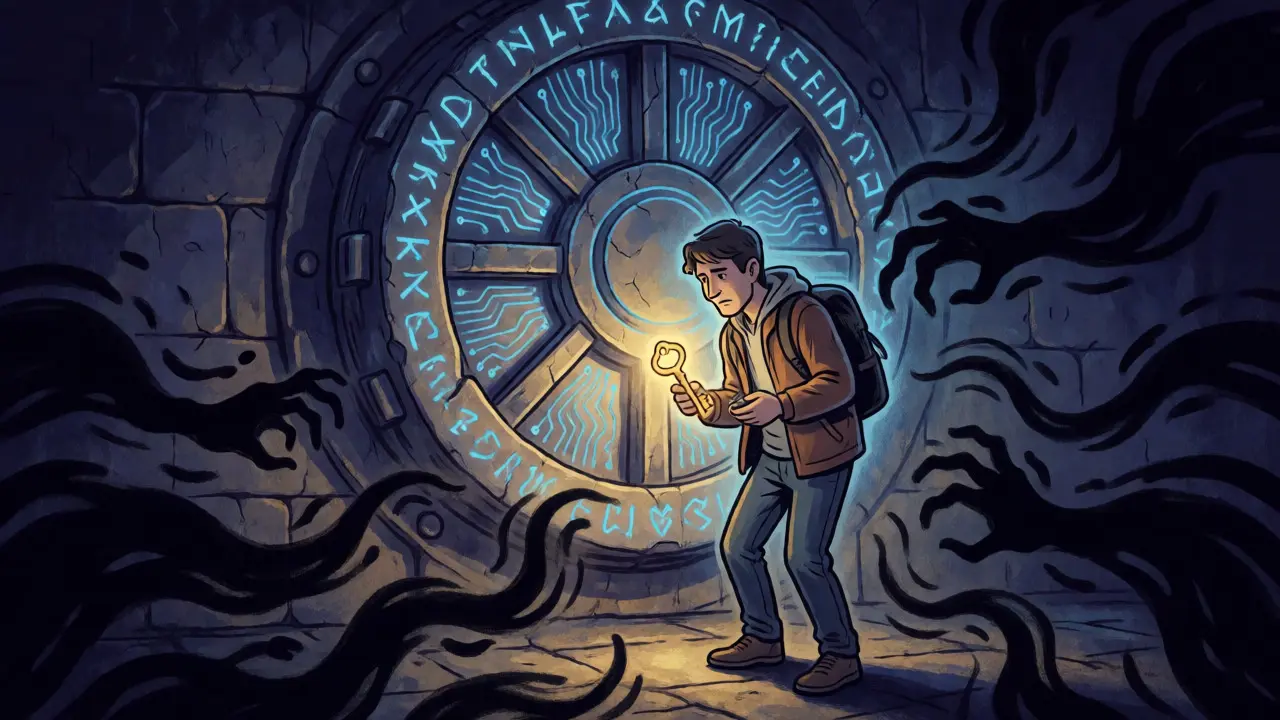
You know that feeling when you try to buy a coffee with crypto and your wallet throws a fit because you don't have enough ETH for the gas fee? Or maybe you've spent an hour trying to recover a lost seed phrase, only to realize one word was wrong? If so, you're experiencing the friction that has kept most people out of Web3. Account Abstraction is the fix. It transforms rigid, key-based accounts into programmable smart contracts, making blockchain interactions feel as smooth as using Venmo or PayPal.
The Problem with Traditional Wallets
For years, we’ve relied on Externally Owned Accounts (EOAs). These are the standard wallets like MetaMask where your control is tied strictly to a private key. It’s secure, sure, but it’s also incredibly brittle. If you lose that key, you lose everything. There’s no "forgot password" link. No customer support line to call. You are your own bank, which sounds empowering until you accidentally send funds to the wrong address or get locked out by a typo.
Then there’s the gas fee headache. In traditional EOAs, you must hold the native token of the network-like ETH on Ethereum-to pay for transactions. This creates a barrier for new users who just want to use a decentralized application (dApp) but don’t understand why they need to buy ETH first. It’s like needing a specific brand of gasoline just to start your car, regardless of how much fuel is already in the tank. Account Abstraction removes this dependency entirely.
What Is Account Abstraction?
Account Abstraction is a technical framework that allows smart contracts to function as primary user accounts, rather than relying solely on private keys. Think of it as upgrading from a basic flip phone to a smartphone. Your account isn’t just a passive vault anymore; it’s a programmable entity that can enforce rules, manage permissions, and interact with other contracts more intelligently.
The core mechanism behind this shift, particularly on Ethereum, is EIP-4337. This standard introduces UserOperations, which are special transaction objects that bundle user intents together. Instead of sending a raw transaction signed by a private key, the user sends a UserOperation. A specialized service called a Bundler collects these operations, verifies them, and submits them to the blockchain. This layer of abstraction hides the complexity from the user, allowing developers to build wallets that behave exactly how normal apps do.
Key UX Improvements You’ll Actually Notice
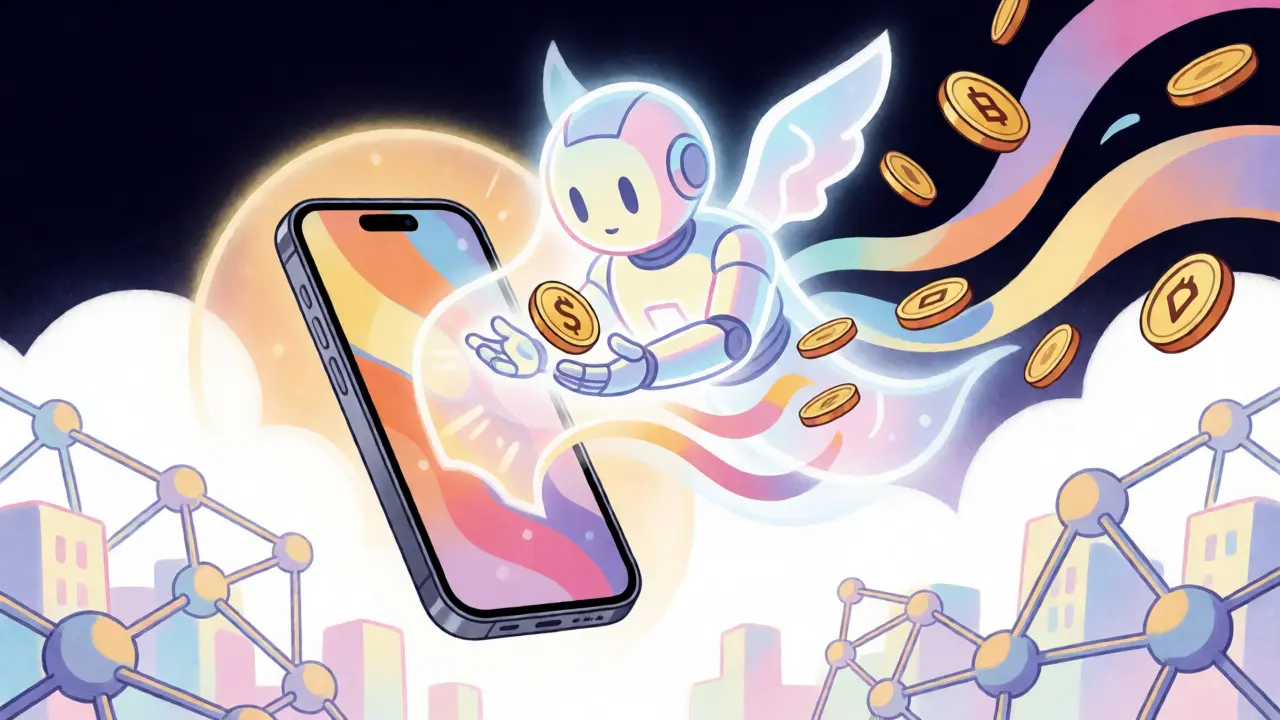
The biggest win here is the elimination of mandatory native token holdings for gas. With Account Abstraction, developers can sponsor gas fees. This means you can interact with a dApp without ever holding ETH. If you’re playing a blockchain game, the developer might cover the cost of minting your sword. You don’t care about the underlying mechanics; you just click "Mint," and it works.
Even if you do pay for gas, AA lets you choose which token to pay with. Want to pay fees in USDC instead of ETH? No problem. This flexibility makes cross-chain usage seamless. You aren’t forced to bridge assets back and forth just to cover minor transaction costs. The wallet handles the conversion or payment logic in the background, keeping your experience fluid.
Recovery Without Panic
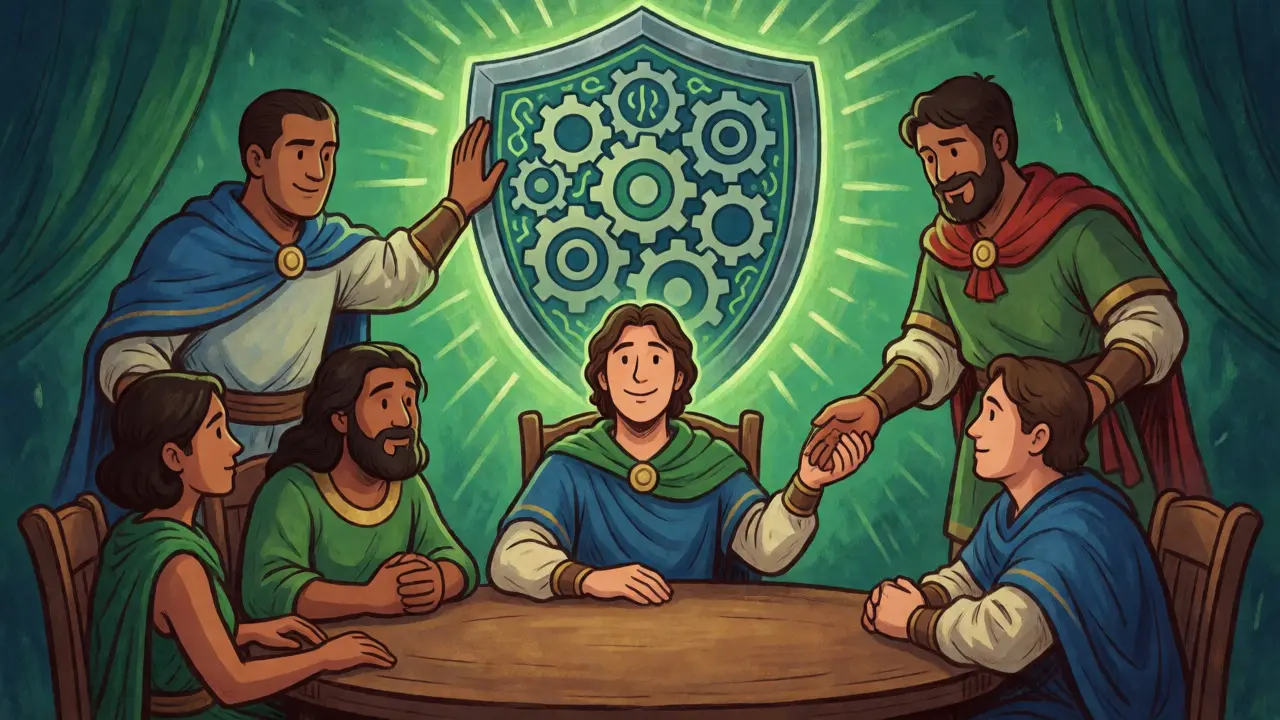
Losing a seed phrase is the nightmare scenario for crypto users. Account Abstraction solves this through Social Recovery. Instead of a single point of failure (your private key), you designate trusted guardians-friends, family, or even institutional services. If you lose access to your device, these guardians can collectively approve a reset of your account credentials.
This isn’t custodial. You still own your funds. But it adds a safety net that mirrors traditional banking. Imagine being able to reset your password via email verification, but for your entire crypto portfolio. That’s the power of programmable accounts. You can set thresholds, like requiring three out of five guardians to agree before recovering access. It balances security with usability, removing the anxiety of permanent loss.
Advanced Security Features
Traditional wallets are dumb pipes-they send what you tell them to send. Smart contract accounts are smarter. They can implement complex logic directly within the account itself. For example, you can set up time-locked withdrawals. If you try to move a large sum of money, the account could require a 24-hour delay, giving you time to cancel the transaction if you suspect fraud.
Session keys are another game-changer. In gaming or high-frequency trading, signing every single action with a hardware wallet is tedious. Session keys allow you to grant temporary, limited access to a dApp for a specific period or amount. You log in once, and the session key handles subsequent small transactions automatically. When the session expires, the permission vanishes. It’s convenience without compromising long-term security.
| Feature | Traditional EOA (e.g., MetaMask) | Account Abstraction Wallet |
|---|---|---|
| Gas Payment | Must hold native token (ETH/SOL) | Sponsored or paid in any supported token |
| Recovery Method | Seed Phrase only | Social Recovery, Biometrics, or Multi-sig |
| Transaction Logic | Static (send/receive) | Programmable (batching, limits, rules) |
| User Onboarding | Complex (manage keys/gas) | Simple (email/social login options) |
Who Benefits Most?
If you’re a developer, Account Abstraction lets you build apps that don’t leak internal complexity to users. You can batch multiple actions into one transaction, saving users time and money. For gamers, it means seamless asset management without worrying about wallet balances. For enterprises, it offers granular permission controls, allowing employees to execute trades within set limits without holding full custody of corporate funds.
Regular users benefit from the "Web2-like" experience. You can sign up with an email address, recover your account if you lose your phone, and transact without understanding what a nonce is. The technology fades into the background, letting you focus on what you actually came to do-whether that’s buying NFTs, lending assets, or voting in DAOs.
Challenges and Adoption
It’s not all perfect yet. Deploying smart contract accounts costs more upfront than creating a simple EOA, though bundlers often absorb this cost. Developers also face a steeper learning curve, needing to understand smart contract logic rather than just JavaScript integration. However, major networks like Polygon, Arbitrum, and Starknet are actively integrating native AA support, signaling that this is the future standard.
Security audits are critical. Since the account logic is code, bugs in the contract can lead to vulnerabilities. But as tools mature and standards like EIP-4337 stabilize, these risks diminish. The industry consensus is clear: Account Abstraction is the missing link for mass adoption. It doesn’t just improve UX; it makes blockchain viable for billions of non-crypto-native users.
Do I need to migrate my current wallet to use Account Abstraction?
Not necessarily immediately. Many modern wallets now offer hybrid models or new AA-based accounts alongside traditional ones. You can create a new AA wallet for daily use while keeping your old EOA for long-term cold storage. Over time, as more dApps optimize for AA, migrating becomes easier and often automated by the wallet provider.
Is Account Abstraction less secure than traditional wallets?
No, it can be significantly more secure. While it introduces smart contract risk, it eliminates single points of failure like lost seed phrases. Features like social recovery, spending limits, and multi-signature approvals provide layers of protection that traditional EOAs lack. Properly audited AA implementations are considered robust.
Can I use Account Abstraction on chains other than Ethereum?
Yes. While EIP-4337 is an Ethereum standard, many Layer 2 solutions like Arbitrum, Optimism, and Polygon support it natively. Other blockchains like Solana and Starknet have their own native account abstraction mechanisms that achieve similar UX improvements, though the technical implementation differs.
How does social recovery work if my guardians lose their devices too?
You typically set a threshold, such as 3-of-5. As long as you have enough active guardians to meet the threshold, recovery proceeds. It’s wise to include at least one professional service or backup method in your guardian list to mitigate the risk of multiple personal contacts losing access simultaneously.
Will gas fees disappear completely with Account Abstraction?
Gas fees still exist on the blockchain level, but you won’t necessarily see them. Developers can subsidize these costs, or you can pay them in stablecoins. The friction of managing native tokens for gas disappears, making the cost invisible or flexible, but the network still requires compensation for processing transactions.