
Buying Bitcoin in Turkey feels different than anywhere else. You can't just swipe a credit card on Binance and call it a day because of banking restrictions. That is where Paribu is a prominent Turkish cryptocurrency exchange established in 2017, designed specifically for Turkish residents to trade crypto with Turkish Lira (TRY). It has become the go-to gateway for millions of locals who need a bridge between their local bank accounts and the global crypto market. But does it still hold up in 2026?
I have spent time analyzing its interface, fee structure, and security protocols to see if it remains a viable option or if you should look elsewhere. If you are a beginner looking for simplicity, Paribu might be your best friend. If you are an active trader chasing low fees and advanced charts, you might find yourself frustrated. Here is the breakdown.
Who Is Paribu For? The Core Identity
Paribu was not built to compete with global giants like Coinbase or Kraken on every front. Its identity is rooted in localization. Launched in 2017, it capitalized on the early boom of crypto adoption in Turkey by solving a specific problem: how do I move money from my Turkish bank account into Bitcoin without getting blocked by international payment processors?
The platform serves two main groups:
- Absolute Beginners: People who want to buy $50 worth of Ethereum without understanding order books, leverage, or API keys.
- Turkish Residents: Users who require TRY trading pairs and fast local fiat deposits via FAST transfer systems.
If you live outside Turkey, Paribu is likely not for you. It lacks English language support as a primary interface feature and restricts fiat operations to Turkish banks. For locals, however, it offers a frictionless entry point that international exchanges simply cannot match due to regulatory hurdles.
Fees: Where It Gets Expensive
Let’s talk about the cost. This is often the biggest pain point for users moving from free-tier international apps to local exchanges. Paribu operates on a tiered fee system based on your 30-day trading volume. There are 10 levels, but most retail traders will sit at the bottom tiers.
| Fee Type | Paribu Standard Rate | Industry Average (Global Exchanges) | Impact |
|---|---|---|---|
| Maker Fee (Adding Liquidity) | 0.25% | ~0.10% - 0.15% | Higher cost for limit orders |
| Taker Fee (Removing Liquidity) | 0.35% | ~0.10% - 0.20% | Significantly higher for market buys/sells |
| Withdrawal Fee (BTC Example) | 0.0005 BTC | Varies, often ~0.0005 BTC | Competitive / Standard |
That 0.35% taker fee adds up quickly. If you trade $1,000 worth of crypto, you pay $3.50 immediately. On a global exchange like Binance or Bybit, that same trade might cost you $0.10 to $0.20. For casual investors buying once a month, this difference is negligible. For day traders, it is a dealbreaker. Always use limit orders (maker fees) when possible to save money, though even then, Paribu is pricier than the global standard.
Security and Trust: Is Your Money Safe?
Security is non-negotiable in crypto. Paribu takes a conservative approach. They offer Two-Factor Authentication (2FA) via Google Authenticator and transaction confirmation codes. These are basic standards now, not premium features.
Here is what you need to know about their security posture:
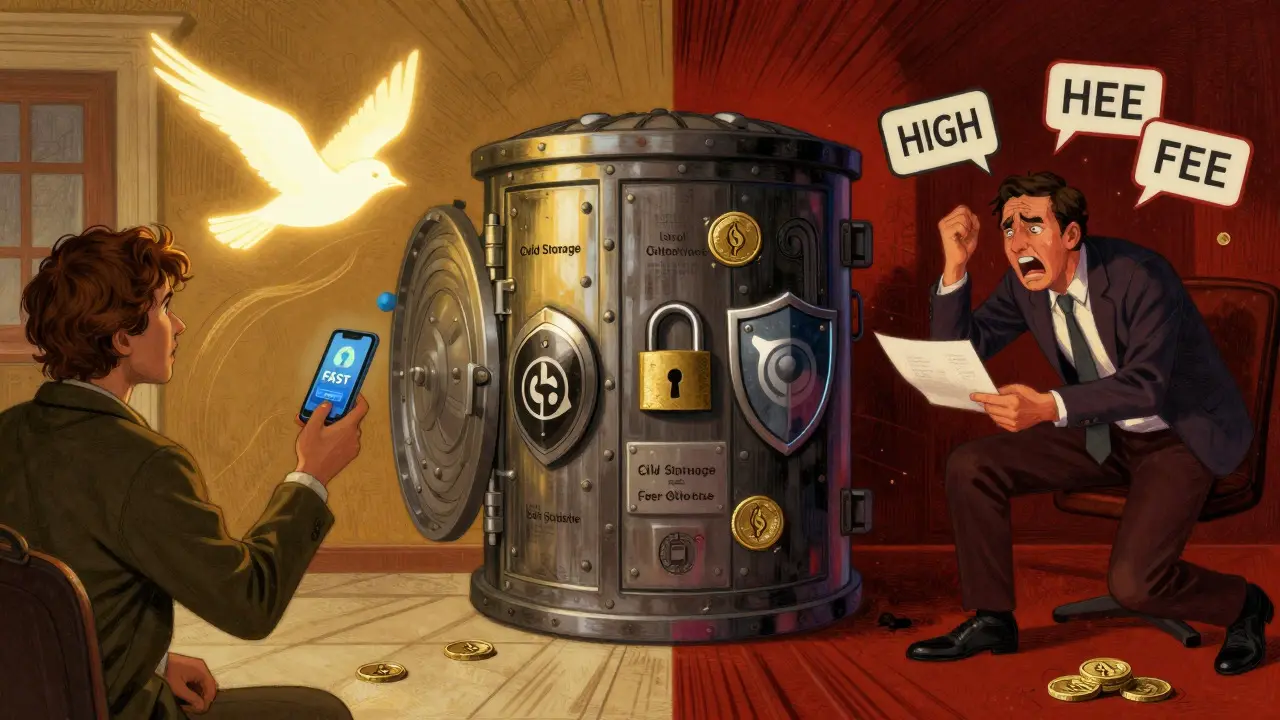
- Cold Storage: Like most reputable exchanges, Paribu claims to keep the majority of user funds in cold storage (offline wallets). However, they do not publish regular Proof of Reserves audits with the same transparency as some top-tier global competitors.
- Regulatory Compliance: Being a Turkish-registered entity, Paribu adheres to local financial regulations. This provides a layer of legal recourse that unregulated offshore exchanges lack. If something goes wrong, there is a physical company in Istanbul to address.
- Limited Advanced Features: Surprisingly, the lack of API access and complex derivatives also reduces the attack surface. Fewer features mean fewer bugs to exploit.
While no exchange is immune to hacks, Paribu has maintained a relatively clean record since 2017. For peace of mind, always enable 2FA immediately after signing up. Consider using a hardware wallet for long-term holdings rather than leaving large sums on any exchange, including Paribu.
User Experience: Simplicity Over Power
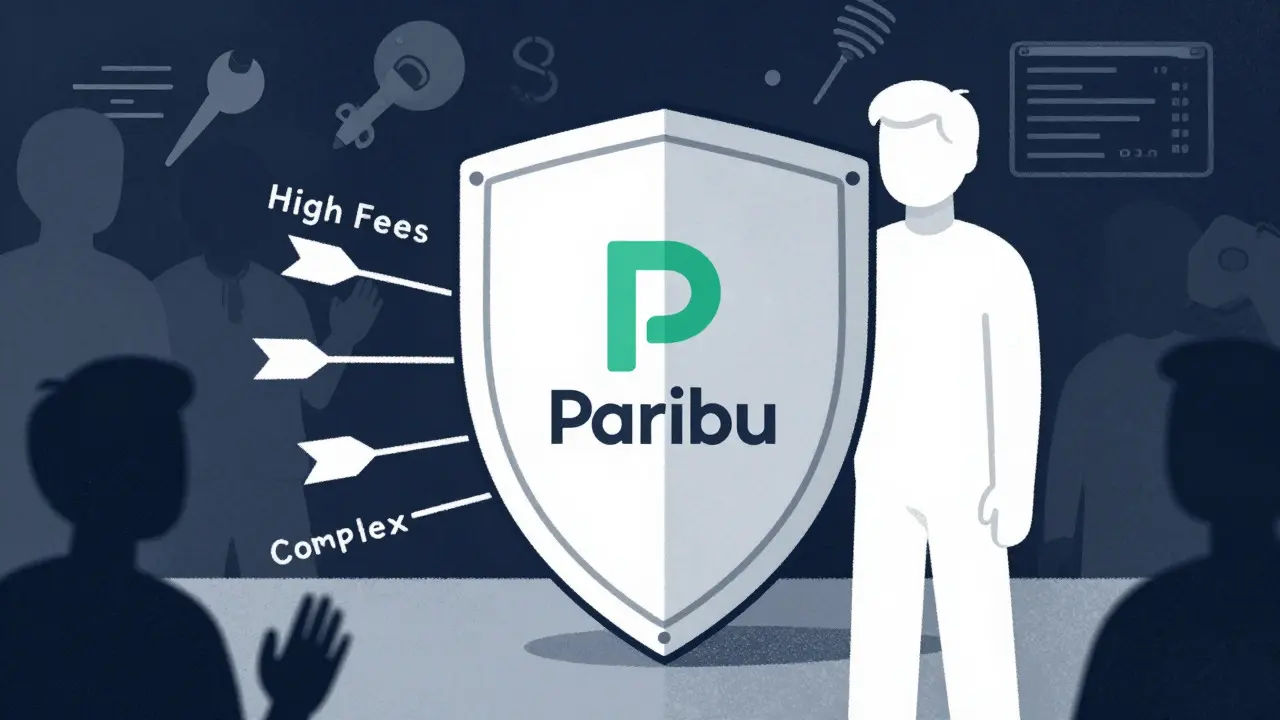
Paribu’s interface is deliberately simple. When you log in, you see a clear list of cryptocurrencies and big "Buy" and "Sell" buttons. There are no confusing candlestick charts dominating the screen unless you choose to open the TradingView integration.
This design philosophy works well for beginners. You don’t need a tutorial to figure out how to buy Bitcoin. The mobile app, available for iOS and Android, mirrors this simplicity. It is lightweight, fast, and intuitive. Many users report that the app performs reliably even during periods of high market volatility, which is crucial when you need to sell quickly.
However, experienced traders will feel cramped. There are no advanced order types like stop-limit or trailing stops built natively into the core interface in the way you’d find on professional platforms. The charting tools are limited to basic TradingView overlays. If you rely on technical analysis for every trade, you might find the toolset lacking.
Deposits and Withdrawals: The Local Advantage
This is Paribu’s strongest selling point. Depositing Turkish Lira is seamless. They partner with nine major Turkish banks, allowing for instant deposits via FAST transfer. This means money hits your account in seconds, not days.
Withdrawals are also straightforward. You can send TRY back to your linked bank account. While there may be processing times depending on the bank, the integration is smooth compared to trying to wire money internationally. Note that credit card deposits are generally not supported, which keeps chargeback fraud low but requires you to have bank balance ready.
Paribu vs. BtcTurk: The Main Rivalry
In Turkey, Paribu’s main competitor is BtcTurk is another leading Turkish cryptocurrency exchange known for its extensive range of trading pairs and competitive fee structures.. Both serve the same demographic, so how do they compare?
| Feature | Paribu | BtcTurk |
|---|---|---|
| Founded | 2017 | 2013 |
| Crypto Selection | ~190+ assets | 100+ tradeable pairs (often more altcoins) |
| Interface | Simpler, beginner-friendly | More detailed, slightly complex |
| Fees | Higher (0.25%/0.35%) | Competitive, often lower for high volume |
| Mobile App | Highly rated for ease of use | Functional but less polished UI |
If you prioritize ease of use and a clean mobile experience, Paribu wins. If you want a wider variety of obscure altcoins and potentially lower fees through aggressive volume trading, BtcTurk might be the better choice. Many serious Turkish traders actually use both: Paribu for quick, easy spot trades and BtcTurk for hunting newer tokens.
Verdict: Should You Use Paribu in 2026?
Paribu remains a solid, trustworthy option for Turkish residents who value convenience over cost. It is not the cheapest place to trade, nor is it the most feature-rich. But it solves the hardest part of crypto trading in Turkey: getting fiat in and out easily.
Use Paribu if:
- You are new to crypto and want a stress-free experience.
- You primarily trade major coins like Bitcoin, Ethereum, and USDT against TRY.
- You value fast local bank transfers over saving fractions of a percent on fees.
Look elsewhere if:
- You are an active day trader sensitive to high taker fees.
- You need advanced charting, API access, or margin trading.
- You live outside of Turkey.
For the average Turkish investor, Paribu is a reliable tool in the belt. Just be aware of the fees, and consider moving large long-term holdings to a personal wallet for maximum security.
Is Paribu safe for beginners?
Yes, Paribu is considered safe for beginners due to its simple interface and regulatory compliance in Turkey. It offers essential security features like Two-Factor Authentication (2FA). However, as with any exchange, it is recommended to store large amounts of cryptocurrency in a private hardware wallet rather than leaving them on the exchange.
What are the trading fees on Paribu?
Paribu charges a standard maker fee of 0.25% and a taker fee of 0.35% for most users. These fees can decrease as your 30-day trading volume increases, moving you up through their 10-tier system. These rates are higher than many global exchanges but are standard for local Turkish platforms.
Can I use Paribu if I live outside Turkey?
Technically, you can create an account, but it is highly impractical. Paribu is designed exclusively for Turkish residents. It only accepts Turkish Lira (TRY) deposits and withdrawals via Turkish banks. There is no support for other fiat currencies, and the interface is primarily in Turkish, making it difficult for international users to navigate.
Does Paribu offer margin or futures trading?
No, Paribu focuses on spot trading. It does not currently offer margin trading, futures contracts, or leverage options. This makes it a safer environment for beginners but limits opportunities for advanced traders who use these instruments to amplify gains or hedge positions.
How long does it take to deposit money on Paribu?
Deposits via FAST transfer from partnered Turkish banks are typically instant. If you use a non-partnered bank or wire transfer, it may take a few hours to a business day depending on the banking system's processing times. Withdrawals to your bank account usually follow similar timelines.
Is Paribu regulated?
Paribu is a registered company in Turkey and complies with local financial regulations regarding cryptocurrency exchanges. This includes Know Your Customer (KYC) verification processes requiring national ID and proof of residence. While the broader regulatory landscape for crypto in Turkey evolves, Paribu maintains compliance with current laws.