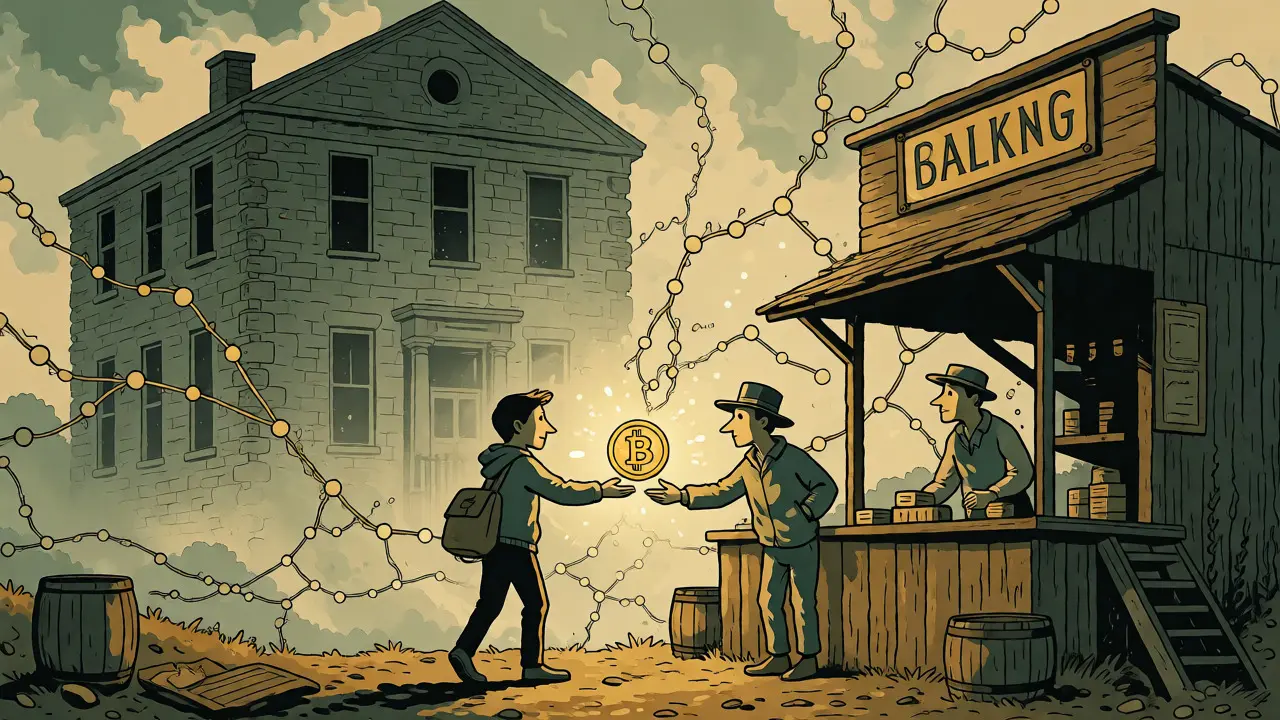
You probably have heard the term payment cryptocurrency and wondered if it’s just another buzzword for Bitcoin. It’s not. While all payment cryptocurrencies are digital assets, not all digital assets are meant to be used as cash. Think of it this way: some tokens are like shares in a company (utility tokens), while others are designed specifically to act like dollars or euros you can spend at a coffee shop. That second category is what we’re talking about here.
If you’ve ever tried to send money across borders and watched the fees eat into your transfer amount, or waited days for a bank wire to clear, you understand the problem these coins solve. They aim to let you store value and move it around without needing a bank to approve every single step. But how do they actually work, and which ones are worth paying attention to in 2026? Let’s break down the mechanics, the major players, and the real-world hurdles you’ll face if you try to use them for daily purchases.
The Core Definition: More Than Just Code
A payment cryptocurrency is a decentralized digital asset designed primarily to facilitate peer-to-peer transactions and serve as a medium of exchange. Unlike utility tokens that grant access to a specific software service, payment coins exist to transfer value. The most famous example is Bitcoin, launched in 2009 by the pseudonymous Satoshi Nakamoto. Bitcoin was the first to prove that two people could exchange value over the internet without trusting each other or a third party.
These systems rely on blockchain technology-a public ledger that records every transaction ever made. This record is immutable, meaning once a transaction is confirmed, it cannot be changed. For a coin to qualify as a "payment" cryptocurrency, it usually needs three things:
- Decentralization: No single entity controls the network.
- Scarcity: Many, but not all, have a capped supply (like Bitcoin’s 21 million limit) to prevent inflation.
- Transferability: The ability to send value quickly and securely between wallets.
It’s crucial to distinguish these from stablecoins like USDT or USDC. Stablecoins are pegged to fiat currencies to avoid volatility, making them great for trading pairs, but they aren’t typically classified as native payment cryptocurrencies in the same speculative sense as Bitcoin or Litecoin. They are digital representations of existing money, whereas payment cryptos create new monetary policy through code.
Key Players in the Payment Crypto Space
When people ask "what are payment cryptocurrencies," they are usually looking for names they can buy and hold. Here are the heavyweights you need to know, along with their specific roles.
| Currency | Primary Feature | Supply Model | Best Use Case |
|---|---|---|---|
| Bitcoin (BTC) | Security & Store of Value | Capped (21M) | Digital Gold / Long-term savings |
| Litecoin (LTC) | Speed & Low Fees | Capped (84M) | Small daily transactions |
| Monero (XMR) | Privacy | Uncapped (Tail emission) | Anonymous transfers |
| Dogecoin (DOGE) | Community & Meme Culture | Uncapped (Inflationary) | Tipping & Micro-payments |
| Bitcoin Cash (BCH) | Scalability via Larger Blocks | Capped (21M) | Retail payments |
Bitcoin remains the king. Despite criticism about its speed, it has the highest liquidity and brand recognition. If you walk into a business accepting crypto, there’s a 90% chance they accept Bitcoin. Its fixed supply makes it attractive as a hedge against inflation, even if using it to buy groceries isn’t always practical due to fee fluctuations.
Litecoin was created by Charlie Lee with one goal: to be the "silver to Bitcoin's gold." It processes blocks four times faster than Bitcoin and charges significantly lower fees. If you want to actually spend crypto rather than just hold it, Litecoin often provides a smoother experience for smaller amounts.
Then there’s Monero. In a world where every Bitcoin transaction is visible on a public ledger, Monero offers true anonymity. It uses ring signatures to obscure the sender, receiver, and amount. This makes it excellent for privacy-conscious users, though regulators sometimes dislike it because it’s harder to track.
How They Differ From Utility Tokens
This is where many beginners get confused. Is Ethereum a payment cryptocurrency? Technically, Ether (ETH) is used to pay for gas fees on the Ethereum network, so it functions as currency within that ecosystem. However, Ethereum is primarily classified as a platform for smart contracts and decentralized applications (dApps).
Utility tokens, such as those used in gaming platforms or cloud computing services, derive their value from the demand for the service they provide. Payment cryptocurrencies derive their value from trust in the network’s ability to preserve wealth and facilitate exchange. The distinction matters because it affects investment strategy. You might buy a utility token because you think the app will go viral. You buy a payment crypto because you believe in the monetary system itself.
Consider the supply economics. Most payment cryptos have hard caps or predictable issuance schedules. Bitcoin halves its mining reward every four years, creating artificial scarcity. Utility tokens often have dynamic supplies based on protocol usage. If you’re looking for a long-term store of value, the predictable supply of payment cryptos is a key feature. If you’re looking for high-risk, high-reward growth tied to tech adoption, utility tokens might fit better.
The Reality Check: Volatility and Adoption
Here is the uncomfortable truth: while the tech is revolutionary, using payment cryptocurrencies for daily life is still clunky. The Reserve Bank of Australia and other financial bodies note that widespread acceptance is lacking. Why? Volatility.
Imagine buying a coffee with Bitcoin. At 10 AM, your coffee costs $5. By 10:15 AM, the price of Bitcoin drops 3%. Did you just lose money on your coffee? Yes. Merchants hate this uncertainty. Most businesses that accept crypto instantly convert it to local currency to avoid this risk. This means the "payment" aspect is often handled off-chain or via intermediaries, diluting the pure decentralization benefit.
Additionally, transaction speeds vary. During network congestion, Bitcoin fees can spike to $20-$50 per transaction. Paying $50 to move $100 doesn’t make sense. This is why Layer 2 solutions like the Lightning Network are gaining traction. They allow instant, near-zero-fee Bitcoin payments by settling transactions off the main blockchain. Without these upgrades, payment cryptocurrencies struggle to compete with Visa or PayPal for retail efficiency.

Getting Started: Wallets and Security
If you decide to use payment cryptocurrencies, you need a wallet. Not a physical pocketbook, but a software application that stores your private keys. Your private key is the password that proves you own the coins. Lose it, and you lose everything. There is no "forgot password" button in crypto.
For active traders, centralized exchanges like Coinbase or Binance offer easy interfaces. But remember: "Not your keys, not your coins." If the exchange goes bankrupt (as seen with FTX), your funds could be frozen. For serious holders, hardware wallets (like Ledger or Trezor) are essential. These devices keep your keys offline, protecting them from hackers.
Start small. Try sending a small amount of Litecoin or Bitcoin to a friend. Watch the confirmation process. Understand how long it takes. This hands-on experience teaches you more than any article. Pay attention to the "mempool"-the waiting area for unconfirmed transactions. If it’s full, your transaction will take longer and cost more. Patience is part of the learning curve.
Future Outlook: Will They Replace Cash?
Will payment cryptocurrencies replace traditional money? Probably not entirely. Instead, they are carving out specific niches. Cross-border remittances are a huge win. Sending money from New Zealand to the Philippines via banks can cost 5-7% in fees and take days. Using Ripple (XRP) or Stellar (XLM)-which also function as payment networks-can cut that to seconds and cents.
Financial inclusion is another driver. In regions with unstable banking systems, crypto offers a lifeline. People in Argentina or Nigeria use stablecoins and Bitcoin to protect their savings from hyperinflation. While they may not buy lunch with it, they use it to preserve wealth.
The future likely holds a hybrid model. Central Bank Digital Currencies (CBDCs) are being developed globally, including in New Zealand and China. These are government-controlled digital currencies. They won’t be decentralized, but they will improve payment infrastructure. Payment cryptocurrencies will likely coexist with CBDCs, serving as an alternative option for those who prioritize sovereignty and censorship resistance over convenience.
Are all cryptocurrencies considered payment methods?
No. Only a subset, known as payment cryptocurrencies, are designed primarily for value transfer. Others, like utility tokens, are used to access services or govern protocols. Stablecoins are a special case, acting as digital versions of fiat currencies for stability rather than speculation.
Why is Bitcoin not widely used for buying coffee?
Two main reasons: volatility and transaction speed. Prices change rapidly, making pricing difficult for merchants. Also, base-layer Bitcoin transactions can be slow and expensive during high traffic. Solutions like the Lightning Network are addressing this, but adoption is still growing.
Is Litecoin faster than Bitcoin?
Yes, generally speaking. Litecoin generates blocks every 2.5 minutes compared to Bitcoin's 10 minutes, leading to faster confirmations. It also typically has lower transaction fees, making it more suitable for smaller, everyday payments.
Can I remain anonymous when using payment cryptocurrencies?
With standard coins like Bitcoin, transactions are pseudonymous, not anonymous. Anyone can see the flow of funds on the blockchain. Privacy coins like Monero and Zcash offer stronger anonymity features, but they face stricter regulatory scrutiny and fewer exchange listings.
Do I need to pay taxes on crypto payments?
In most jurisdictions, yes. Spending crypto is often treated as a taxable event, similar to selling an asset. You calculate the gain or loss based on the value at the time of purchase versus the time of spending. Always consult a local tax professional, as rules vary by country.