Russia doesn’t ban all cryptocurrency exchanges outright. Instead, it picks and chooses which ones get blocked - and why. If you’re trying to figure out which platforms you can’t use in Russia, the answer isn’t simple. It’s not about the platform’s name alone. It’s about compliance, sanctions, and who’s running the show.
Garantex: The Exchange That Got Taken Down
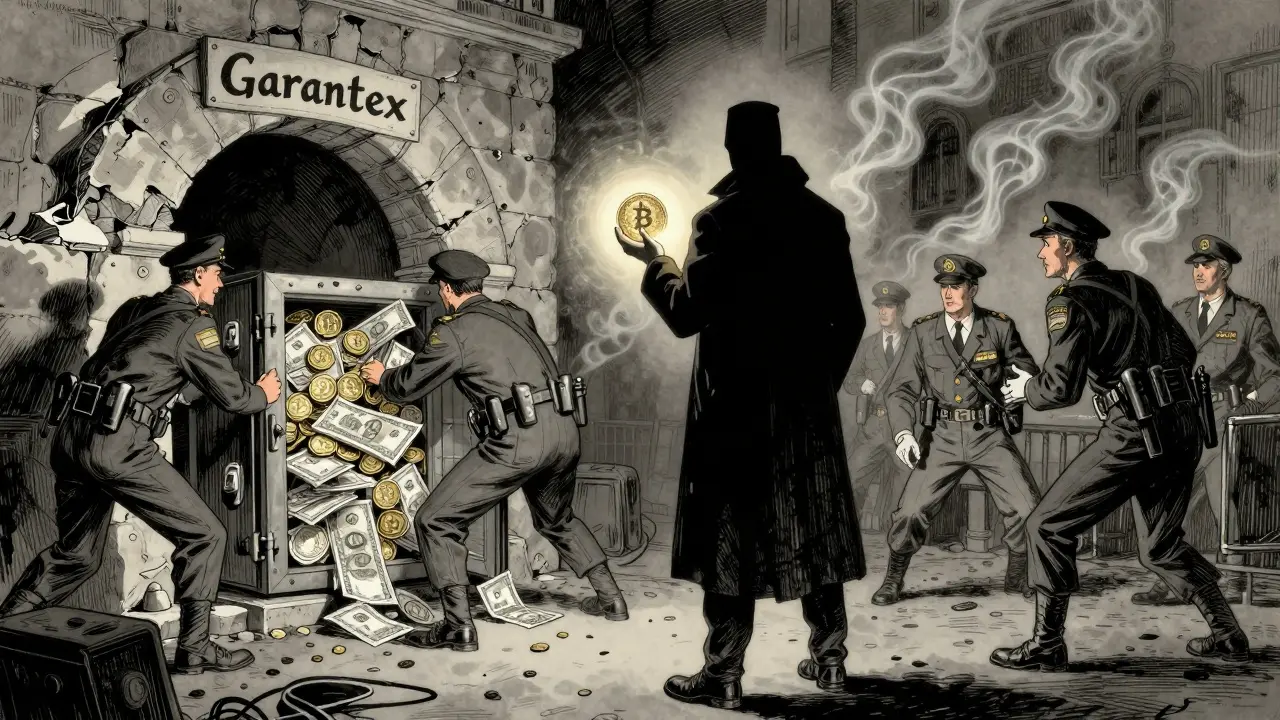
Garantex was once Russia’s biggest crypto exchange. It handled billions in trades, mostly in rubles and stablecoins. But in 2022, the U.S. Treasury slapped it with sanctions for helping people bypass international financial restrictions. The real blow came in March 2025, when U.S. Secret Service agents, working with German and Finnish police, seized its website, froze over $26 million in crypto, and shut it down for good. But Garantex didn’t disappear. It just changed its skin. Its core team moved operations underground, creating a new network that still runs inside Russia. The main front now? A company called Exved. It claims to be a payment service for importers and exporters. In reality, it’s Garantex’s ghost - same founders, same infrastructure, same purpose. Exved is registered in Moscow’s International Business Center, and it’s still moving crypto through Russia’s financial system, just under a different name.Grinex: The Successor That Got Sanctioned Too
When Garantex got crushed, its users and funds didn’t vanish. They moved to Grinex - a new exchange created by former Garantex employees. It looked like a fresh start. But the U.S. Treasury saw right through it. In early 2025, Grinex was officially added to the sanctions list alongside Garantex. The Department of Justice unsealed indictments against two key figures: Aleksandr Mira Serda and Aleksej Besciokov. Besciokov was arrested in India. Mira Serda is still on the run. The U.S. State Department is offering up to $5 million for information leading to his capture. Grinex didn’t just copy Garantex’s tech - it copied its entire customer base. And now, both are dead in the water. But their network? Still alive. They’ve spread out: UAE, Brazil, Thailand, Georgia, Hong Kong. Russia remains a key hub, not because the government supports them, but because enforcement is patchy and cash flows are hard to track.Why Binance, Coinbase, and Kraken Aren’t Banned - But Still Can’t Operate
You’ll hear people say Binance and Coinbase are banned in Russia. That’s misleading. The Russian government hasn’t officially blocked them. Instead, they’re locked out by design. Russian banks can’t process crypto payments. No bank account? No deposits. No withdrawals. No way to connect to international payment systems like Visa or Mastercard. That’s the real barrier. Even if you try to use Binance from Russia, your card gets declined. Your bank freezes your account. Your P2P trades get flagged as suspicious. The Bank of Russia doesn’t want foreign exchanges in its backyard. It wants control. That’s why it’s building its own system - an experimental digital asset infrastructure that will let Russian citizens trade crypto, but only through state-approved channels. Until that’s fully rolled out, international exchanges are stuck on the outside looking in.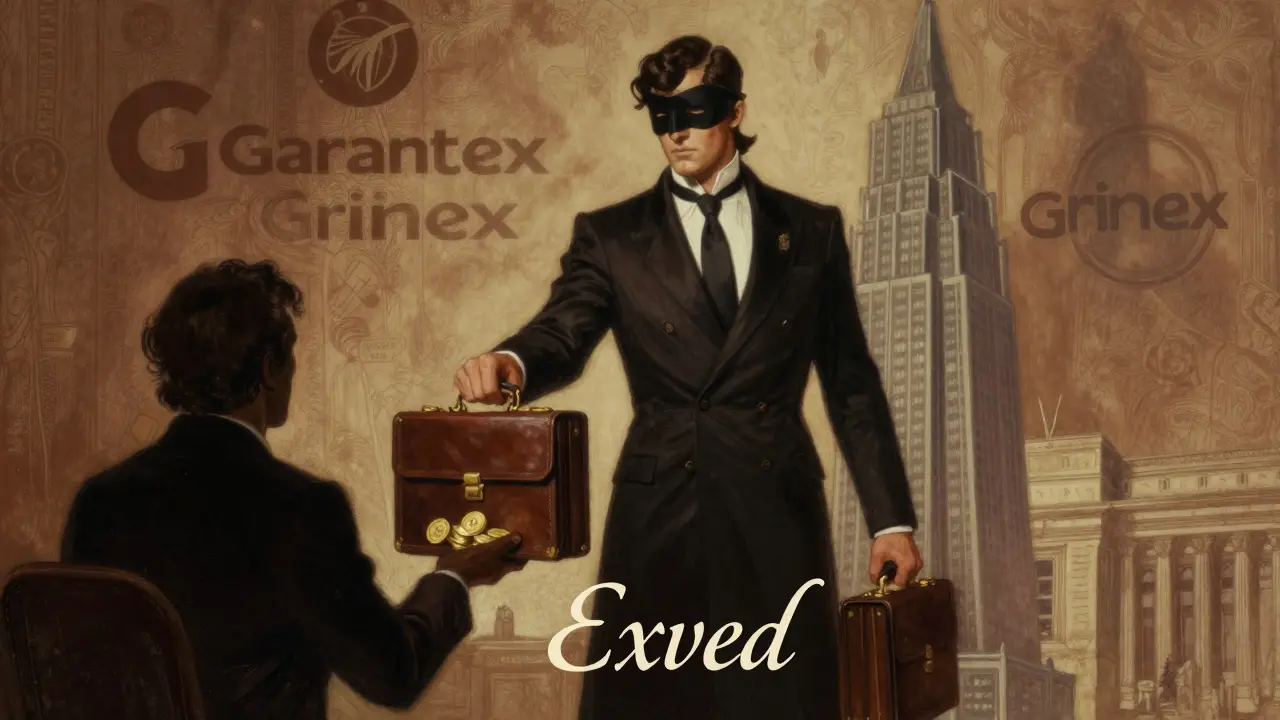
BestChange: The Platform That Got Unbanned
BestChange isn’t an exchange. It’s a price aggregator - like a Google Search for crypto rates. It showed users where to buy Bitcoin at the best rate across dozens of platforms, including Russian ones. In 2024, Roskomnadzor blocked it. Why? Because it listed foreign payment systems and currencies like the Kazakhstani tenge - things Russia didn’t want circulating. But BestChange didn’t fight the ban. It adapted. It removed all ruble-based foreign currency data. It cut ties with banned payment processors. It worked with lawyers to meet the Bank of Russia’s exact requirements. By early 2025, Roskomnadzor removed it from the restricted list. BestChange is back online. This is the key lesson: Russia doesn’t hate crypto. It hates uncontrolled crypto. If you play by its rules, you can stay in the game.What Russia Actually Bans - And What It Lets Slide
Russia’s rules are clear, even if they’re confusing:- Not allowed: Using crypto for everyday payments inside Russia (since 2021).
- Not allowed: Russian banks investing in or processing crypto.
- Not allowed: Exchanges that don’t enforce strict KYC and AML checks.
- Not allowed: Platforms linked to sanctions evasion - especially those tied to the war in Ukraine.
- Allowed: Crypto trading for qualified investors with high net worth (since 2024).
- Allowed: Crypto payments in international trade (since summer 2024).
- Allowed: Russian-controlled exchanges that follow state guidelines.

How Russia Enforces the Rules
Roskomnadzor is the enforcer. It’s the agency that blocks websites. If an exchange gets flagged - for laundering, for bypassing sanctions, for not doing KYC - Roskomnadzor adds it to the list. Then, internet providers in Russia cut off access. But it’s not just about blocking sites. The Bank of Russia sends out detailed guidelines to banks and payment processors. They’re required to monitor P2P trades. If someone sends $10,000 in USDT to a stranger every week? That’s a red flag. The bank reports it. The tax service investigates. And here’s the twist: Russian citizens aren’t being arrested for using crypto. They’re being monitored. The system is designed to scare off bad actors, not punish ordinary users. As long as you’re not moving millions, you’re probably fine.The Future: Russia’s Own Crypto System
On October 4, 2025, Deputy Finance Minister Ivan Chebeskov announced Russia is building its own crypto ecosystem. Not to ban it. Not to ignore it. To control it. This isn’t a rumor. It’s official policy. The Bank of Russia is working with tech firms and financial institutions to create a legal, regulated, state-monitored crypto environment. Think of it as a digital ruble for crypto trades - with built-in tracking, limits, and reporting. Once this system launches, Russian users won’t need foreign exchanges. They’ll trade on a government-approved platform. The old bans won’t matter anymore. Because the old system will be obsolete. Until then? Stick to exchanges that are Russian-run and compliant. Avoid anything tied to Garantex, Grinex, or any platform that still lists foreign payment options. And don’t assume international exchanges are safe - they’re just not allowed to play.What You Should Do Right Now
If you’re in Russia and want to trade crypto:- Check if the exchange is listed on Roskomnadzor’s blocked sites. Search for it in Russian - заблокированные сайты Роскомнадзора.
- Avoid any exchange that accepts payments from Western cards or PayPal. Those are dead ends.
- Look for platforms that use Russian payment systems like Sberbank, Tinkoff, or Qiwi - but only if they’re clearly registered in Russia.
- Stay away from any exchange that still has Garantex or Grinex branding, or any links to former employees.
- Don’t trust P2P deals with strangers. They’re high risk and easy to trace.
Chris Mitchell
December 5, 2025 AT 17:48This isn't about banning crypto-it's about control. Russia's playing 4D chess while the West still thinks it's checkers.
They don't want you trading Bitcoin. They want you trading Russian-approved digital rubles.
And honestly? It's working.
Look at BestChange. They didn't fight the ban. They adapted. That's the real lesson here.
Survival isn't about defiance. It's about flexibility.
Martin Hansen
December 7, 2025 AT 04:25Of course Garantex came back as Exved. Of course. These guys are digital ghosts. They don't even need servers anymore-they just whisper to each other over Tor and a bottle of vodka.
And now the U.S. is throwing $5 million at a guy named Besciokov like he's some kind of crypto Osama? Pathetic.
Meanwhile, normal people in Russia just use Telegram bots and laugh while the FBI files paperwork in triplicate.
Scott Sơn
December 9, 2025 AT 00:02Ohhhh BABY. We got a crypto horror movie here.
Garantex: the original vampire exchange.
Grinex: the sequel with better lighting but same fangs.
Exved: the zombie cousin who wears a suit and claims to be a ‘payment service’.
And Russia? The town that keeps feeding them blood because they’re the only ones who show up to the party.
Meanwhile, Binance sits in its penthouse sipping matcha, smug as hell, knowing it never had to get its hands dirty.
It’s like Game of Thrones but with more USDT and less dragons.
And the dragon? It’s the Bank of Russia. And it’s building a golden cage. For YOU.
Frank Cronin
December 10, 2025 AT 16:04Wow. So Russia’s just ‘regulating’ crypto now? Like, what a surprise. Next they’ll be requiring KYC for your toaster.
And you people are acting like this is some deep insight? No. This is just authoritarian capitalism with a blockchain sticker on it.
They don’t want crypto. They want to tax it. And punish you if you don’t use their version.
It’s not innovation. It’s surveillance with a wallet.
And if you’re still using Grinex? Congrats. You’re not a trader. You’re a data point.
Stanley Wong
December 12, 2025 AT 00:12I think what's really interesting here is how the lines between legality and survival keep shifting
It's not just about the government banning things it's about how people adapt
Like BestChange just quietly edited itself into compliance and now it's back
And nobody got arrested
And the people who needed to trade still traded
Maybe the system isn't as rigid as it seems
Maybe it's just slow and bureaucratic and people find cracks
And the cracks are where crypto lives
Not in the big exchanges
But in the quiet ones
The ones that don't make headlines
The ones that just work
And maybe that's the real story
miriam gionfriddo
December 13, 2025 AT 06:46OMG I JUST REALIZED GARANTEX IS STILL RUNNING THROUGH EXVED LIKE A GHOST IN THE MACHINE 😱
AND THE US SECRET SERVICE TOOK DOWN A SITE BUT THE TEAM JUST MOVED TO MOSCOW AND CHANGED THE LOGO??
WHY DO I FEEL LIKE I’M WATCHING A SPY MOVIE BUT THE PROTAGONIST IS A TON OF USDT??
AND ALEKSANDR MIRA SERDA IS STILL OUT THERE??
LIKE IS HE HIDING IN A SAUNA WITH A LAPTOP AND A BOTTLE OF VODKA??
THE $5 MILLION REWARD ISN’T ENOUGH I’D PAY OUT OF MY POCKET JUST TO KNOW WHERE HE IS 😭
Kenneth Ljungström
December 13, 2025 AT 07:06Really appreciate this breakdown. It’s easy to think crypto bans are black and white but this shows it’s all shades of gray.
People think Russia hates crypto but really they just hate losing control.
And honestly? That’s not unique to Russia.
Every country wants to own the money flow.
It’s just that Russia’s doing it with more grit and less PR.
BestChange’s comeback? That’s the quiet win.
Not rebellion. Adaptation.
And maybe that’s how we survive in a world where rules change overnight.
Stay calm. Adjust. Don’t fight the tide. Learn to swim with it.
🙂
Brooke Schmalbach
December 13, 2025 AT 19:30Let me cut through the noise. Garantex and Grinex were laundering fronts disguised as exchanges. The U.S. didn’t ban them because they were Russian. They banned them because they were criminal enterprises.
And now you’re acting like Russia is some misunderstood crypto hero? No. Russia is letting them operate because enforcement is lazy and corruption is systemic.
BestChange got unbanned because it played ball. Not because it was righteous.
And your ‘safe’ Russian exchanges? They’re still tied to the same oligarchs.
Stop romanticizing authoritarian control. It’s not innovation. It’s extortion with a UI.
Cristal Consulting
December 15, 2025 AT 13:56Big takeaway: Russia isn’t banning crypto. It’s building its own version.
If you’re in Russia right now? Don’t fight the system. Wait.
It’s coming. And when it does, it’ll be the only one that won’t vanish overnight.
Until then? Stick to Sberbank-linked platforms. Avoid anything with a Western payment option.
You’re not a rebel. You’re a strategist.
And that’s okay.
Stay safe out there 💪❤️
Tom Van bergen
December 15, 2025 AT 19:01Who says Russia bans crypto
They just ban the wrong ones
And the right ones get promoted
Same as always
Money flows where it’s allowed
Not where it’s legal
And the U.S. sanctions? Just theater
They think they’re winning
But the real game is happening in the shadows
Where no one’s watching
And no one’s asking questions
Sandra Lee Beagan
December 16, 2025 AT 13:35As someone who’s lived through financial sanctions in other contexts, this feels eerily familiar.
It’s not about technology. It’s about sovereignty.
Russia doesn’t want to be dependent on SWIFT or Visa. It wants to build its own financial ecosystem.
And while the methods are harsh, the goal isn’t irrational.
BestChange’s pivot? That’s cultural resilience.
Not defiance. Diplomacy.
And honestly? That’s the smartest move here.
Adapt. Don’t resist.
Because in the end, the system that survives is the one that bends.
🌱
Ben VanDyk
December 17, 2025 AT 02:16Interesting. But the article doesn’t mention how many Russian citizens are actually using these underground exchanges. Or how many have been arrested. Or how many just use P2P Telegram groups. The whole thing feels like a Wikipedia page dressed up as investigative journalism.
Also, why is ‘Exved’ capitalized like it’s a proper noun? It’s a shell company. Not a brand.