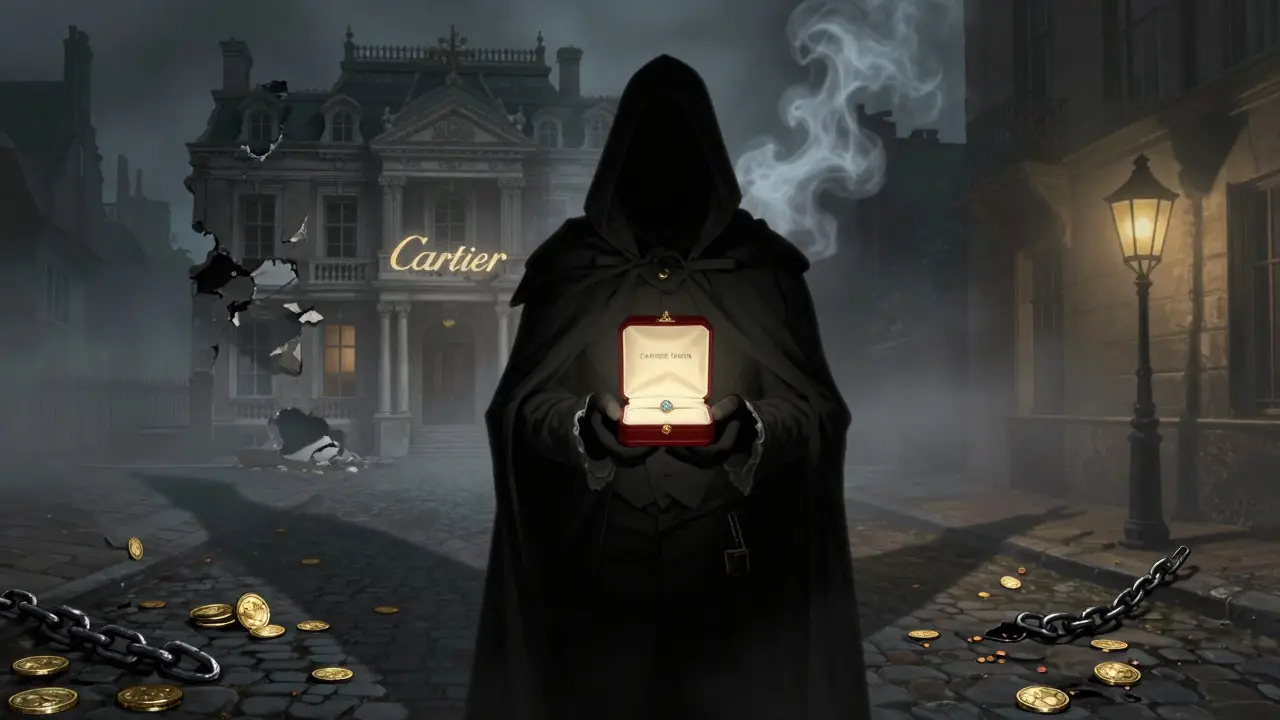
Cartier (CARTIER) isn't a cryptocurrency backed by the French luxury brand. It's a speculative token built on deception, using the name of one of the world’s most recognized jewelry houses to trick investors into buying something with no real value, no official ties, and no future.
It’s not affiliated with Cartier - and never was
Despite its name, CARTIER has zero connection to Cartier, the luxury brand owned by Richemont Group. Cartier makes watches, rings, and handbags - not crypto tokens. In March 2025, Richemont publicly denied any involvement with CARTIER or any other cryptocurrency project using their name. That didn’t stop the anonymous team behind CARTIER from copying the brand’s logo, using words like "luxury" and "heritage" in their whitepaper, and pretending they had permission. This isn’t innovation. It’s brand theft.
How the token actually works - and why it’s broken
CARTIER runs on the BNB Chain as a BEP-20 token. Its contract address is 0x11000b7a01f18e763b3f8def9c1bf490522725bb. That’s easy to find. What’s hard to find is any real activity. The project claims a total supply of 100 million tokens, with parts reserved for staking, NFTs, and community rewards. But on-chain data from Etherscan shows only about 15 million tokens have been distributed - far less than claimed. That means the market cap numbers you see on CoinMarketCap or CoinBrain are made up. They’re based on fake circulating supply.
Prices vary wildly across platforms: $25 on Binance, $36 on CoinMarketCap, $29 on CoinBrain. Why? Because no one’s actually trading it. Daily volume is under $5,000. That’s not a market - it’s a ghost town. The few people buying are either scammers pumping the price or new investors who don’t know better.
No audits, no code, no future
Legitimate crypto projects get audited by firms like CertiK or Hacken. CARTIER has no audit. Ever. Its GitHub repo, which should show ongoing development, has only 12 commits over four months. The last update was September 3, 2025. That’s it. No new features. No bug fixes. No roadmap progress.
The whitepaper promises a luxury NFT marketplace, staking with 142% APY, and community voting. None of these exist. Not even close. The project’s roadmap says the NFT marketplace launches in Q3 2025. It’s now January 2026. The site is down. The team is silent. The NFTs? Never made.
People are losing money - and fast
If you try to buy or sell CARTIER, you’ll run into problems. Slippage - the difference between the price you see and what you actually pay - averages 15.7%. That means if you think you’re buying at $25, you might end up paying $29. And even then, your transaction might fail. MetaMask users report a 62% failure rate when trading CARTIER.
Reddit users share horror stories: one person paid $45 in gas fees over three tries just to sell five tokens. Another lost $350 because the trade kept failing, then finally went through at a 40% loss. Trustpilot reviews average 1.2 out of 5. The most common complaints? "Can’t sell," "team doesn’t respond," "slippage eats my money."
It’s being shut down - and you’re at risk
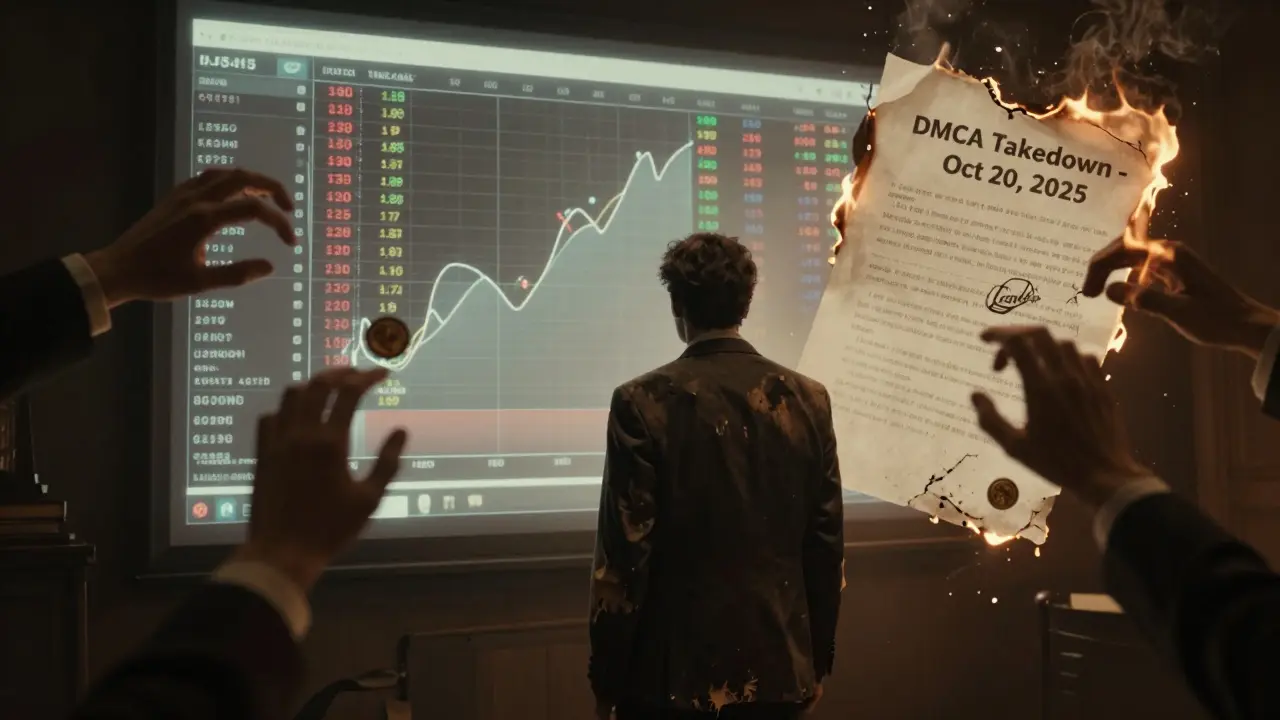
Regulators are catching on. The SEC warned in October 2025 that unauthorized use of luxury brand names in crypto is a top enforcement priority. In August 2025, Louis Vuitton successfully shut down LV Token. Cartier’s legal team followed suit. On October 18, 2025, they filed a DMCA takedown notice. By October 20, the main websites - cartier-token.finance and cartierweb3.io - were suspended.
CoinGecko delisted CARTIER on October 15, 2025. CoinPaprika and CryptoCompare did the same. Binance never listed it officially - their page still says "Not listed." Without exchange support, the token has no way to survive.
Why this keeps happening - and how to avoid it
There are hundreds of tokens like this. They use names like "Gucci," "Rolex," "Prada," or "Louis Vuitton" to attract attention. They look flashy. They promise big returns. They’re designed to be bought, not held. And when the pump ends, the price crashes - and you’re stuck with worthless tokens.
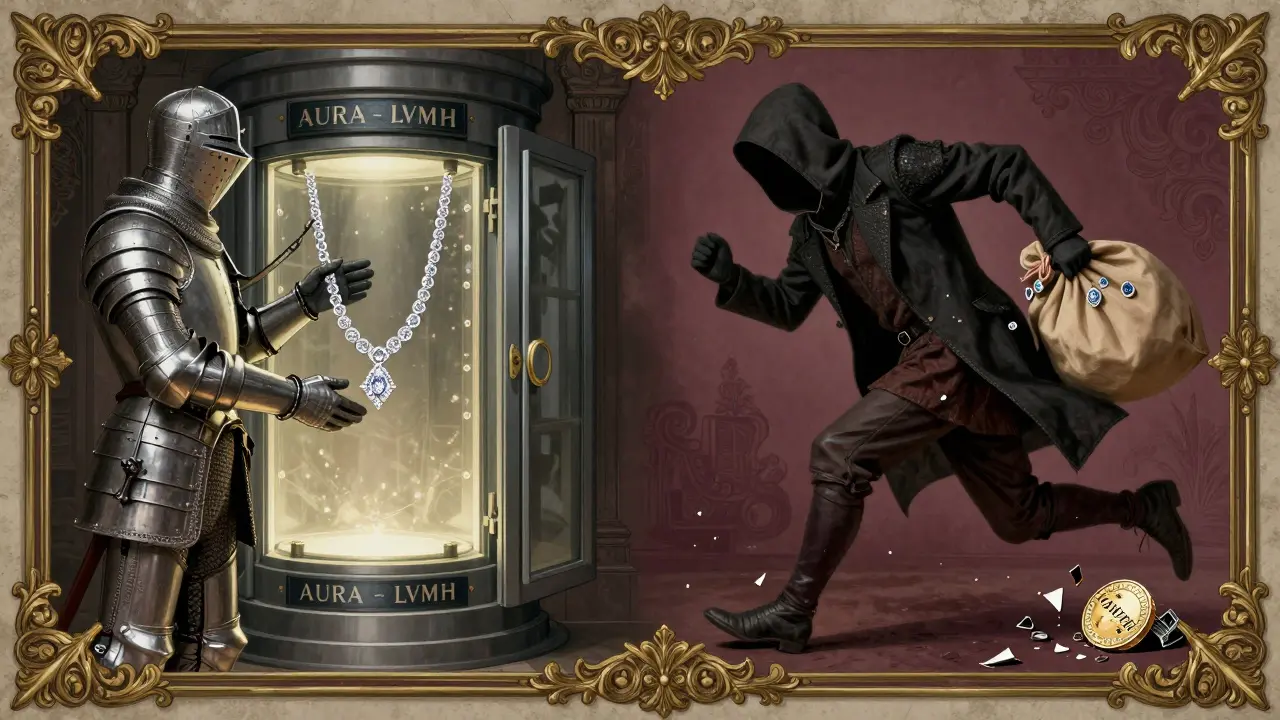
Real luxury brands are using blockchain - but the right way. LVMH runs AURA to verify authenticity of $72 billion in products. De Beers uses Tracr to track diamonds. These aren’t coins you trade. They’re tools that protect customers and brands. CARTIER does none of that. It doesn’t even try.
Bottom line: Don’t touch it
CARTIER isn’t an investment. It’s a trap. It has no team, no product, no legal standing, and no future. The only people making money are the ones who created it - and they’ve already cashed out. The rest of us are left holding the bag.
If you see CARTIER pop up on a decentralized exchange, walk away. Don’t click "Buy." Don’t check the price. Don’t even open the wallet. It’s not worth your time, your gas fees, or your money.
Is Cartier (CARTIER) coin real or fake?
It’s fake in the sense that it has no official connection to the Cartier brand. The token is created by anonymous developers who are exploiting the brand’s reputation. There is no partnership, no license, and no authorization. Cartier’s parent company, Richemont, has publicly denied any involvement.
Can I buy Cartier (CARTIER) on Binance?
No, Binance does not list CARTIER. While some third-party sites may show it as listed, Binance’s official page states "Not listed." Any platform claiming to list CARTIER is either outdated, misleading, or a scam. The token has been delisted from major exchanges due to insufficient liquidity and lack of transparency.
Why do prices for CARTIER vary so much between sites?
Because there’s almost no real trading. The price differences come from fake data, manipulated charts, and low-volume trades on decentralized exchanges. Some sites use inflated circulating supply numbers to make the market cap look bigger. In reality, the token has near-zero liquidity, meaning a few trades can swing the price wildly - and no one can actually buy or sell without losing money to slippage.
Is CARTIER a good investment?
No. CARTIER has zero utility, no audited code, no working product, and no legal backing. Experts classify it as a high-risk impersonation scam. Chainalysis predicts a 98% chance of total value loss by mid-2026. MIT researchers say tokens like this usually become completely illiquid within six months. If you buy it, you’re not investing - you’re gambling on a dead project.
What happened to the CARTIER website?
The main websites - cartier-token.finance and cartierweb3.io - were taken down in October 2025 after Richemont filed a DMCA takedown notice. The domains are now suspended. This is a clear sign regulators and brand owners are cracking down on these kinds of scams. If you find a working CARTIER site now, it’s likely a copycat or phishing page.
Can I get my money back if I bought CARTIER?
No. Cryptocurrency transactions are irreversible. Once you send funds to buy CARTIER, there’s no way to reverse it. If you’re stuck holding it, your only option is to try selling on a decentralized exchange - but expect massive slippage, failed transactions, and likely a total loss. The best move is to cut your losses and avoid similar tokens in the future.
Are there any legitimate luxury-themed crypto projects?
Yes - but they’re not coins you trade. LVMH’s AURA blockchain verifies the authenticity of luxury goods like handbags and watches. De Beers’ Tracr tracks diamonds from mine to retail. Farfetch uses blockchain to prove product origins. These projects work with real brands to solve real problems - not to create speculative tokens for quick profits.
Pramod Sharma
January 18, 2026 AT 15:31People don't lose money on this. They lose faith.
Christina Shrader
January 20, 2026 AT 13:12Andre Suico
January 21, 2026 AT 07:23Nishakar Rath
January 21, 2026 AT 19:06Patricia Chakeres
January 22, 2026 AT 04:46kristina tina
January 22, 2026 AT 10:26Anna Gringhuis
January 22, 2026 AT 11:49Michael Jones
January 23, 2026 AT 21:33Lauren Bontje
January 24, 2026 AT 20:42Stephanie BASILIEN
January 25, 2026 AT 11:41Deb Svanefelt
January 25, 2026 AT 14:00Telleen Anderson-Lozano
January 26, 2026 AT 12:29Dustin Secrest
January 26, 2026 AT 21:28Shaun Beckford
January 27, 2026 AT 07:06Chris Evans
January 29, 2026 AT 04:20Pat G
January 30, 2026 AT 16:43Alexandra Heller
January 31, 2026 AT 09:55Bryan Muñoz
January 31, 2026 AT 19:59Rod Petrik
February 2, 2026 AT 12:36Sarah Baker
February 4, 2026 AT 08:22