
When you look at the cryptocurrency market, DEGODis a community-driven token designed specifically for Solana ecosystem participants stands out because it bridges the gap between collectibles and actual currency. Unlike typical memecoins that rely solely on hype, this asset connects directly to high-value digital art known as Non-Fungible Tokens (NFTs). If you are wondering what makes this coin different from others on the blockchain, it is the infrastructure it supports. It functions as a tool for community ownership and liquidity within a specific digital universe.
The token operates on the Solana blockchaina high-performance network utilizing Proof-of-Stake consensus mechanism, which ensures transactions happen quickly and cost very little compared to other networks. This technical foundation matters because it allows users to interact with the ecosystem without paying massive fees. For anyone interested in Web3 technology, understanding this base layer is essential to grasping why the project survives volatility.
Token Structure and Economics
At its core, the token features specific metrics that define its scarcity. As of November 2025, data indicates the circulating supply sits near 9.99 billion units, approaching the maximum cap of 10 billion tokens. This fixed supply limit creates a clear ceiling on how many coins exist, preventing uncontrolled inflation. In traditional finance, central banks print money; here, the rules are written in code and enforced by the ledger.
| Metric Details | |
|---|---|
| Symbol | $DEGOD |
| Total Supply Cap | 10,000,000,000 |
| Circulating Supply | ~9.99 Billion |
| Blockchains Supported | Solana |
| Type | SPL Token |
Scarcity plays a huge role in value perception. When a specific number of tokens exists, selling pressure can impact price differently than projects with infinite mint capabilities. You might see fluctuations, but the math behind the supply is transparent. Every wallet holding these assets holds a verified piece of the ledger state. Security relies on public-private key cryptography, meaning only the person with the private key controls the funds.
Relationship With DeGods NFTs
You cannot fully understand the coin without knowing its parent project. It was created to consolidate assets under the umbrella of DeGodsa premier NFT collection on the Solana blockchain consisting of 10,000 deflationary profile picture tokens. These digital collectibles act as the backbone for utility. The system introduced a mechanism where you can swap the non-fungible art for the fungible token. This conversion rate was set historically at 550,000 $degod for one DeGod NFT.
This exchange capability changes how people own art. Instead of just displaying a digital image, owners gain access to liquid financial tools. Some holders prefer to "transcend" their images into DeadGods versions, which offer higher visual quality and staking rewards. This process is not just cosmetic; it affects the underlying economy. By burning older versions to create newer ones, the system introduces deflationary pressure on the collectibles side.
Dual-Token System Dynamics
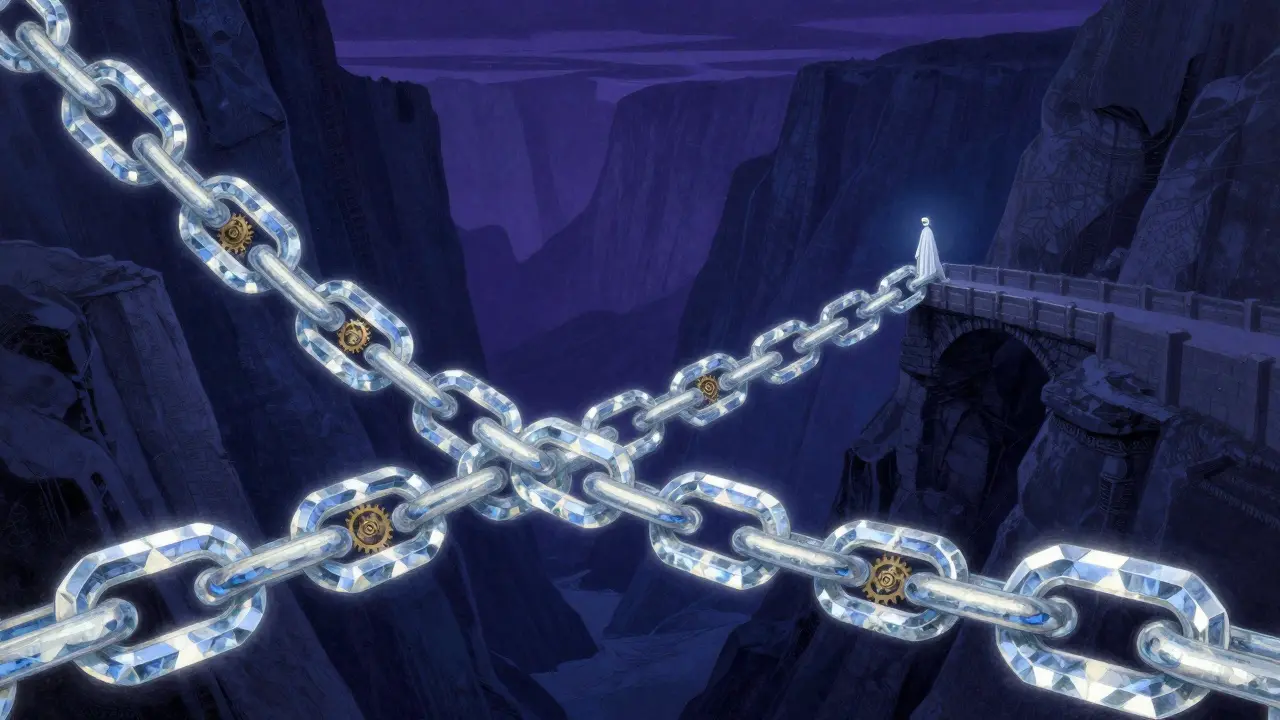
The ecosystem actually uses two main monetary instruments. While DEGOD provides broad accessibility, there is also DUSTthe original utility token earned through staking DeGods and DeadGods NFTs. DUST is generated by holding and locking up your NFTs. Over time, as the project evolved, DEGOD emerged to support broader trading needs while DUST remains tied closely to long-term staking behavior. They serve different jobs-to-be-done within the same digital space.
- DEGOD: Designed for high liquidity and trading on decentralized exchanges.
- DUST: Used for governance rights and rewarding long-term NFT holders.
- Interplay: Users often move value between them depending on short-term goals.
Why have two? One encourages movement and commerce, while the other encourages loyalty and holding. This separation helps manage risk. If the trading token drops in value, the staking rewards mechanism might still hold incentive power for committed members. It is a strategy borrowed from complex financial systems but adapted for open-source software.
Governance and Community Power
A major feature driving adoption is the DeDAOa decentralized autonomous organization governing the entire ecosystem. This body manages treasury funds and decides future development paths. Holders of the NFTs gain exclusive access to the Discord community and voting mechanisms. It turns passive investors into active participants. Decisions are not made by a CEO in a boardroom; they are proposed and ratified by the collective.
This structure aligns incentives. If the platform grows in value, the governance token holders benefit directly. It reduces reliance on a central team managing everything alone. However, it requires active engagement. Ignoring the voting process means letting others decide your investment's direction. Many large players (whales) participate here to steer the roadmap toward their interests.
Risk Factors and Market Position
Every asset has vulnerabilities. The project faces challenges common to the sector, including regulatory uncertainties. Governments globally are still figuring out how to classify these digital assets. Competition is also fierce. Hundreds of collections try to copy this success model, some offering better visuals or lower entry costs.
Furthermore, market cycles play a role. The value depends heavily on sentiment. During bear markets, speculative assets often lose significant ground. However, the team has shown adaptability by migrating chains successfully in the past, suggesting resilience against technical failures. Long-term viability looks positive if utility continues to expand, particularly through integration with gaming and betting platforms.
How do I buy DEGOD tokens?
You can acquire tokens through decentralized exchanges compatible with the Solana network. You will need a digital wallet capable of storing SPL tokens and some SOL for transaction fees. Connect your wallet to the exchange interface and select the swap pair.
Is DEGOD a secure investment?
Security depends on your personal risk tolerance. Like any crypto asset, it carries volatility risks. Technical security uses standard cryptographic methods, but market fluctuation is inherent to the sector.
Can I use the token outside of DeGods?
The primary utility is within the ecosystem, but integration is expanding. Third-party applications on Solana may eventually accept it for payments or services, though this depends on individual developer choices.
What is the difference between DUST and DEGOD?
DUST is generated via staking NFTs, while DEGOD is a fungible coin meant for broader liquidity and trading. DUST focuses on rewards, whereas DEGOD focuses on transferability.
Does owning the token grant governance rights?
Primary governance access typically comes from holding the underlying NFT collection. The token enhances participation, but the deepest administrative control usually resides with NFT owners.
Anna Lee
March 28, 2026 AT 23:28So glad someone finally explained this stuff clearely. I was confused bout the dust vs degod thing before reading here. Feels like the team really thinks about liqidity when they designed this. Definitly gonna try swapping soon maybe. You guys know how much sol i need for fees now. Anyway great read today thanks for posting. Hope we see big things next year!
Alice Clancy
March 30, 2026 AT 07:46lol most coins are trash except this one 🙄 the hype is real but you gotta hold tight 🔥 weak hands always sell too early tho dont listen to the fudsters on twitter 😤 solana is king forever 👑
Shana Brown
March 31, 2026 AT 21:44totally agree with the sentiment here! the community strength is unmatched 💪 sometimes people panic for no reason but the roadmap looks solid 🚀 lets keep building together 🛠️ you are spot on about holding power ⚡
Marie Mapilar
April 2, 2026 AT 12:30From a technical perspective teh SPL token architecture is quite robust considering the throughput limitions. We obseve significant gas cost benefits when comparing execution against ethereum based standards currenly. The deflationary burn mechansim introudced with the transcendance model creats inheretnt scarcity pressure. Liquidiity provisionong on major DEXes enures market deoth remains sufficien for institustional participaton. However regulatory scrutiny regariding secuity classfications remanis a non-trivial complance vector. Staking rewrds derived from DUST emiisions incenitvize long term hoidling behaveior effectvely. Communtiy gvernance via the DeDAO structur decetrnalizes decisoin makiing authrotiy approriately. Walllet integartion with populair non custodial solutios enhnces user accesibility metrucs. Crass chain bridgess might interoduce adidiotinal rsiik vctors bu exxpansion potentional is undeniable. Interopreabilty protcolols ar matuirng rapidley whcih supoorts brodader adoptino naraitves. Volatilitu dampening stratgies throuh stabecoin parings remain under utilzed by many retall investers. The correlatio coeiffcient wth BTC remains high durign maco downtruns unfortunatley. Tehchnical anlaysis indicats stron suport leval near recnt accumlaton zones. On chian analitics sugest whale activtiy si stablising aftter recent volitility pikes. Netwoork upgardes scleduled for nest quater promisse furthr perfomace enchancemnts. Ooveral the fundtamental theisis hold watr despied extenal oise facotr presnt.
Dominic Taylor
April 3, 2026 AT 16:14Great breakdown on the liquidity aspect and the technical fundamentals. Market microstructure really dictates price discovery speed here. Institutional interest is picking up steam recently. Derivatives volume is spiking on binance for this asset. Smart contract auditing status is crucial for large cap entries. Layer two solutions might integrate eventually for lower friction trades. Yield aggregation strategies using this token look promising too. Risk parity portfolios are starting to include selective solana exposure now. Macro hedge funds are watching closely. Let's discuss the staking yield rates more specifically in another thread. Keep the insights coming folks. Solid work here overall.
Neil MacLeod
April 5, 2026 AT 08:25The juxtaposition of digital artistry and monetary policy is rather fascinating indeed. Such convergence rarely manifests without considerable friction or oversight failures. Yet this particular construct appears remarkably resilient against conventional market pressures. One observes a deliberate architectural intent within the protocol design parameters. Perhaps the future of finance lies precisely within these unconventional boundaries.
Sarah Terry
April 5, 2026 AT 23:13You made the right choice checking the details first.
Shayne Cokerdem
April 6, 2026 AT 18:37life is strange and crypto is weirder. why do we chase numbers on screen? maybe its about trust instead of value. i think the soul of the project matters most. money comes and goes but community stays. dont forget to drink water while you hodl. its just energy moving from wallet to wallet. stay chill out there.
aravindsai pandla
April 7, 2026 AT 11:46Your philosophical approach provides a necessary counterbalance to pure speculation. While financial metrics drive immediate valuation, community sentiment sustains longevity. The human element remains paramount in any decentralized network. Thank you for introducing a holistic perspective to the discussion.
namrata singh
April 8, 2026 AT 04:27There is such a profound weight to your words regarding the soul of the project. I find myself contemplating the deeper implications of digital ownership today. The silence of the blockchain contrasts sharply with the noise of social media. One feels the gravity of commitment required to maintain such systems. It resonates deeply with the concept of legacy building.
Andrea Zaszczynski
April 8, 2026 AT 17:12I actually noticed something interesting about the tax implications nobody talks about. People ignore the reporting requirements until audit season hits. Your portfolio tracking tools need serious updates honestly speaking. I've been digging into the legal docs and found some grey areas. Just saying this affects us all directly without warning signs.
Zion Banks
April 9, 2026 AT 02:44They are watching everything including your transactions through metadata leakage. The supposed privacy tools are compromised by central entity logs. Big tech controls the rails regardless of the chain technology. History repeats itself with every new ledger system launch. Wake up before they freeze your assets like last time around. Trust no algorithm blindly ever again.