
You might have stumbled upon the ticker FINE on a crypto tracker or heard whispers about it from old forum threads. It’s a name that evokes the wild days of the 2021 NFT boom, but if you look at its chart today, it looks like a flatline. So, what exactly is Refinable? Is it a hidden gem waiting to explode, or a cautionary tale of market volatility?
To understand where we are, we need to look back at where it started. Refinable was built to solve a very specific problem: Ethereum gas fees were killing small creators. By moving to the BNB Smart Chain, it promised cheap transactions and easy entry for artists who couldn't afford $50 per mint. The native fuel for this engine was the FINE token.
The Core Concept: What Was Refinable Supposed to Be?
At its heart, Refinable is an NFT marketplace. Think of it as a digital gallery where people buy and sell unique digital items-art, music, collectibles. But unlike traditional galleries, everything happens on the blockchain.
When it launched in April 2021, the pitch was simple. Ethereum, the home of the biggest player OpenSea, was congested. Fees were skyrocketing. Refinable chose the Binance Smart Chain (now BNB Smart Chain) because it offered block times of around 3 seconds and transaction costs often under $0.50. For a creator selling a digital drawing for $10, paying $8 in fees on Ethereum made no sense. On BSC, it made perfect sense.
The platform allowed users to:
- Mint NFTs using the BEP-721 standard (the BSC equivalent of ERC-721).
- Set custom royalties, keeping more money in the artist's pocket.
- Use auctions or fixed-price sales models.
But the marketplace needed a currency to operate. That’s where the FINE token came in. It wasn’t just a speculative asset; it had actual utility within the ecosystem.
Tokenomics: How the FINE Token Works
If you hold FINE, you aren't just holding a receipt. You are holding a key to several features within the Refinable platform. Let’s break down the numbers and the functions.
Supply Numbers:
- Total Supply: 500,000,000 (500 million) FINE tokens.
- Circulating Supply: Approximately 41,050,000 (41.05 million) tokens.
This means only about 8.2% of the total tokens are currently out there trading. The rest are likely locked, burned, or held by the team/investors, though exact vesting schedules from 2021 are hard to pin down now.
Utility Functions:
- Payment Method: You can pay marketplace fees in FINE instead of BNB or stablecoins. This usually comes with a discount.
- Creator Perks: Holding FINE increases your distribution limits. Want to drop a collection of 10,000 items? You need enough FINE to unlock that tier. It also allows for higher royalty caps.
- Visibility Boosts: Creators can spend FINE to "boost" their listings, pushing them to the top of the homepage. In a crowded market, attention is currency.
- Governance: Holders can vote on platform changes, such as fee structures or new feature priorities.
| Feature | Refinable (FINE) | OpenSea |
|---|---|---|
| Primary Blockchain | BNB Smart Chain (BSC) | Ethereum / Polygon / Solana |
| Avg. Transaction Fee | $0.10 - $0.50 | $2.00 - $100+ (Ethereum mainnet) |
| Native Token Utility | High (Minting, Governance, Discounts) | Low (No native token for core usage) |
| Market Cap (Approx.) | Micro-cap (<$20k) | Multi-billion dollar company |
The Price History: From Hype to Zero
This is the part that hurts to look at. If you bought FINE at the right time, you made a fortune. If you bought it a day later, you lost almost everything. Here is the timeline.
April 2021: The Peak
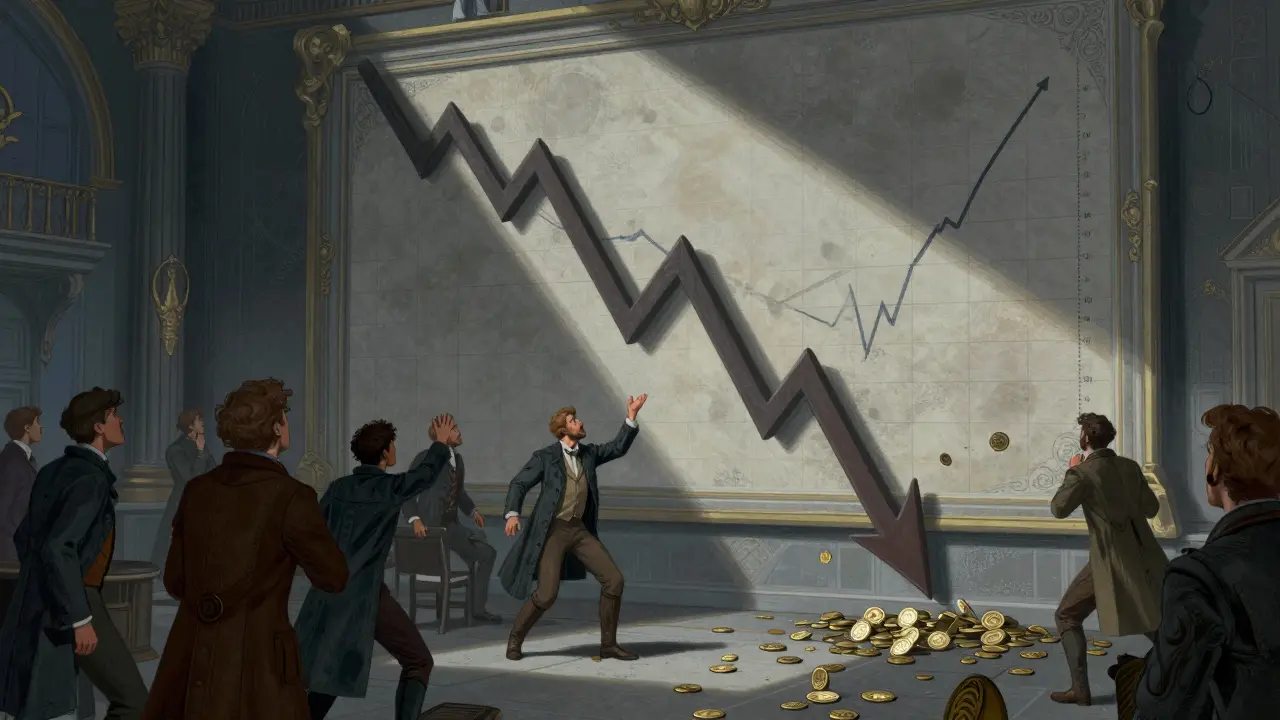
The NFT market was exploding. Global NFT sales hit roughly $17 billion that year. Refinable launched, riding the wave of excitement around BSC-based projects. The FINE token surged, reaching an All-Time High (ATH) between $8.36 and $9.05 on April 27, 2021. At that moment, the project felt like the next big thing.
The Crash
Within hours, and certainly within weeks, the price collapsed. Why? Several factors converged:
- Launch Dynamics: Many early buyers reported extreme slippage and bot activity during the initial listing. Some community members alleged unfair distribution or a "rugpull," though no regulatory body officially designated it as a scam.
- Market Correction: The entire crypto market entered a bear phase in late 2021 and 2022. NFT platforms were hit hardest.
- Liquidity Drain: As interest waned, liquidity pools dried up. Without buyers, the price has nowhere to go but down.
Today (May 2026): The Aftermath
As of mid-2026, FINE trades at a fraction of a cent. Prices hover between $0.00024 and $0.00043. The market capitalization is micro-scopic, often under $20,000. Daily trading volume frequently hits $0 on major trackers. It is effectively a zombie asset-still technically alive on the blockchain, but with little to no active trading interest.
Is Refinable Still Active?
Technically, yes. The website still exists. The smart contracts are still deployed on the BNB Smart Chain. However, "active" doesn't mean "popular."
Compare this to competitors. Magic Eden expanded to multiple chains and dominated the Solana space. Blur captured the professional trader market on Ethereum. Refinable struggled to maintain relevance against these giants. There have been no major brand partnerships announced in recent years, and development updates are sparse.
For a creator today, asking "Should I use Refinable?" requires a different answer than in 2021. While the fees are still low, the audience is gone. An NFT marketplace is only valuable if there are buyers. With near-zero volume, listing an art piece here means you are shouting into a void.
Risks and Red Flags for Investors
If you are considering buying FINE because it is "cheap," stop and read this. Low price does not mean undervalued. It means the market has priced in a high probability of failure.
1. Liquidity Risk
With a market cap under $20k, you cannot sell large amounts without crashing the price. If you try to sell $1,000 worth of FINE, you might wipe out half the available liquidity pool. You could be stuck holding the bag.
2. Lack of Audits
Unlike major DeFi protocols that publish audits from firms like CertiK or Quantstamp, Refinable lacks prominent public security audit reports. This leaves the codebase unverified by third-party experts, increasing the risk of hidden vulnerabilities.
3. Regulatory Ambiguity
While no agency has sued Refinable, the lack of transparency regarding the initial launch distribution remains a stain. In the current regulatory climate, projects with unclear origins face higher hurdles for exchange listings and institutional adoption.
How to Buy FINE (If You Still Want To)
Despite the risks, some traders still dabble in micro-caps hoping for a meme-driven resurgence. If that is you, here is how the process works technically.
- Get a Wallet: Download MetaMask or Trust Wallet. Configure it to connect to the BNB Smart Chain (Chain ID: 56). Make sure you have some BNB in the wallet for gas fees.
- Find an Exchange: FINE is listed on a few centralized exchanges like Gate.io and Crypto.com, but liquidity is thin. Most trading happens on decentralized exchanges (DEXs) like PancakeSwap.
- Swap Tokens: Go to PancakeSwap. Connect your wallet. Swap BNB or BUSD for FINE. Use the official contract address to avoid fake tokens. Note: Set your slippage tolerance high, as prices can swing wildly due to low liquidity.
- Store Safely: Keep your FINE in your non-custodial wallet. Do not leave it on an exchange unless you plan to trade immediately.
The Verdict: Nostalgia or Opportunity?
Refinable represents a specific era in crypto history-the race to build the "OpenSea of BSC." It failed to capture the mass market, and the token paid the price. Today, FINE is a relic. It serves as a reminder that in crypto, utility alone isn't enough. You need network effects, liquidity, and sustained user growth.
Unless you have a deep sentimental attachment to the project or are specifically researching dead NFT markets, there is little practical reason to engage with FINE in 2026. The energy, volume, and innovation have moved elsewhere.
What is the all-time high of the FINE token?
The all-time high for the Refinable (FINE) token was approximately $9.05, reached on April 27, 2021, during the peak of the NFT bull market.
Is Refinable a scam?
There is no official regulatory designation labeling Refinable as a scam. However, many early users complained about unfair launch conditions, bot manipulation, and rapid price crashes, leading to widespread community distrust.
Which blockchain is FINE on?
FINE is a BEP-20 token, which means it operates on the BNB Smart Chain (formerly Binance Smart Chain). You need a wallet compatible with BSC, like MetaMask or Trust Wallet, to hold it.
Why did the FINE token crash so hard?
The crash was driven by a combination of poor launch liquidity management, aggressive selling by early insiders/bots, and the broader cooling of the NFT market after 2021. Competitors like OpenSea and Magic Eden eventually dominated the space, leaving Refinable with negligible volume.
Can I still buy FINE in 2026?
Yes, you can find FINE on exchanges like Gate.io or decentralized platforms like PancakeSwap. However, be aware that liquidity is extremely low, meaning you may face high slippage and difficulty selling your tokens later.