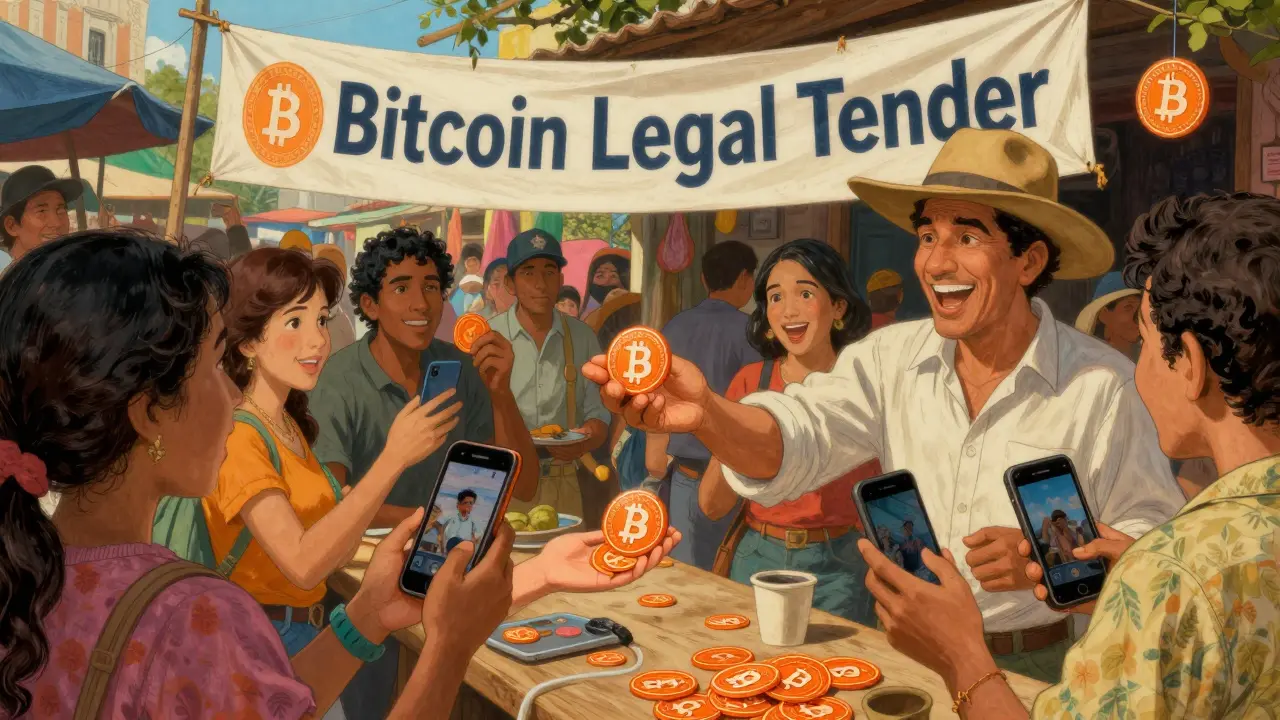
Imagine being handed $30 just for downloading an app. That was the promise in September 2021 when El Salvador became the first country to make Bitcoin legal tender. The government rolled out the Chivo wallet, a digital payment tool designed to replace traditional banking for millions. It sounded like a revolution against high fees and excluded citizens. But three years later, the story has changed dramatically. The experiment didn’t fail because people hated it; it shifted because of heavy external pressure and internal technical hurdles.
If you are looking at this topic today, in May 2026, you need to understand that the rules have changed. The "legal tender" status is gone. The Chivo wallet still exists, but its role has shrunk from a national mandate to a voluntary tool. This article breaks down exactly what happened, why the restrictions were put in place, and what this means for users and investors watching Latin American fintech trends.
The Promise vs. The Technical Reality
To understand the restrictions, we first have to look at the launch. President Nayib Bukele’s administration partnered with AlphaPoint, a US-based technology firm specializing in blockchain infrastructure. They built the Chivo wallet to handle both Bitcoin and US Dollars. The goal was simple: financial inclusion. About 70% of Salvadorans did not have bank accounts. The government wanted to change that.
On paper, the specs looked impressive. Zero commission fees for Bitcoin transfers. Instant transactions. A smartphone-based interface. But reality hit hard on day one. When the app launched, it crashed repeatedly. Users reported glitches that locked them out of their funds. There were also serious security breaches involving identity theft. For a system meant to serve the unbanked-people who often rely on basic smartphones and unstable internet connections-these bugs were devastating.
The initial hype drove downloads. Roughly 46% of the population installed the app. However, installation is not usage. Many users downloaded it just to claim the $30 seed money provided by the state. Once they withdrew the cash, many never used the wallet again. This gap between download numbers and active daily usage became a major point of contention for critics.
| Feature | Chivo Wallet (Initial Launch) | Traditional Banks / Remittance Services |
|---|---|---|
| Transaction Fees | Zero for Bitcoin transfers | High (often 5-10% for remittances) |
| Accessibility | Smartphone required | Branch access or agent networks |
| Currency Stability | Volatile (Bitcoin price swings) | Stable (US Dollar backed) |
| Government Backing | Fully guaranteed by state | Regulated by central bank |
The Turning Point: IMF Pressure and Legal Changes
The biggest restriction on the Chivo wallet wasn't a software bug; it was international finance. El Salvador needed money. The economy was strained, and the government sought a bailout from the International Monetary Fund (IMF). The IMF had long warned against adopting Bitcoin as legal tender, citing risks to monetary stability and consumer protection.
In early 2025, the deal was struck. To secure a $1.4 billion financial assistance program under the Extended Fund Facility, El Salvador agreed to specific conditions. The most critical? Removing Bitcoin's status as legal tender. By January 2025, the law changed. Businesses could no longer be forced to accept Bitcoin. The government committed to unwinding public sector participation in the Chivo wallet by July 2025.
This was a massive shift. Before this, if you went to buy coffee, the merchant *had* to accept Bitcoin if they chose to use Chivo. After the change, it became purely optional. This restriction effectively neutered the mandatory aspect of the policy while keeping the door open for voluntary use.
Current Status: What Happened to Chivo?
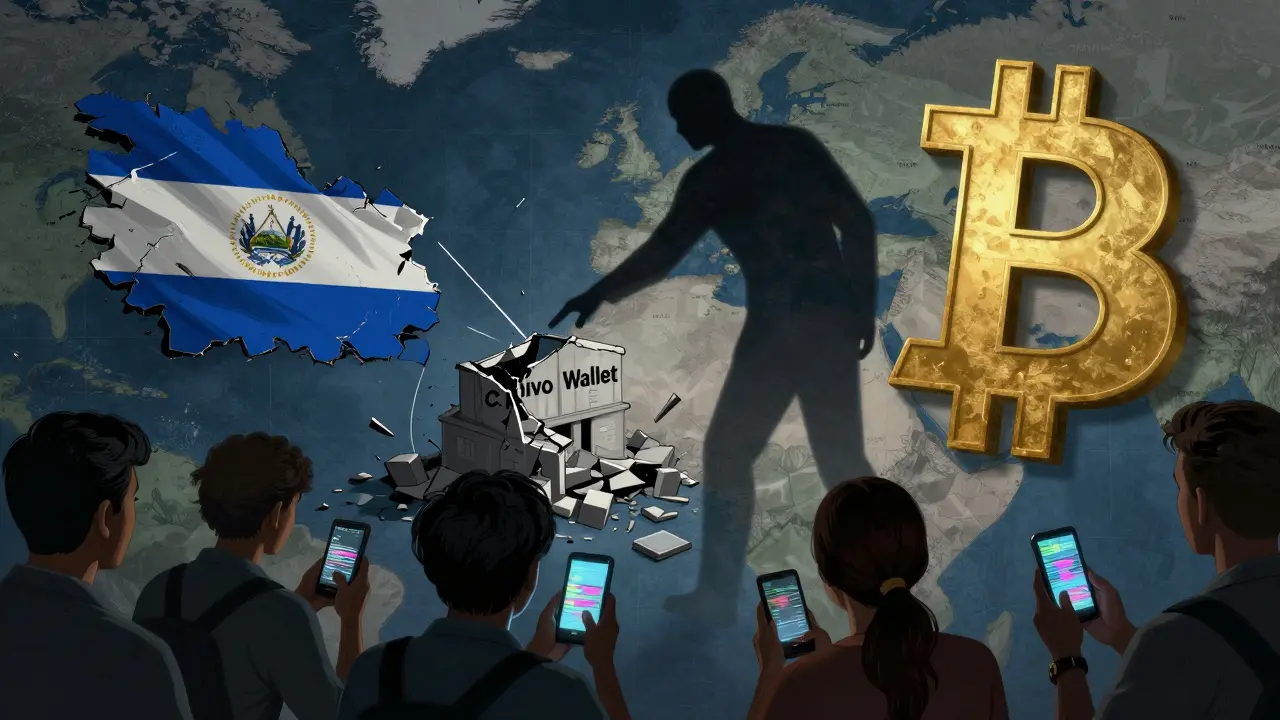
As of mid-2026, the Chivo wallet still operates, but its function has narrowed. It is no longer the backbone of the national economy. Instead, it serves as a niche tool for those who specifically want to transact in Bitcoin without using private exchanges like Coinbase or Binance.
The government still holds a significant reserve of Bitcoin. In March 2025, they expanded their holdings to over 6,100 coins, worth approximately $500 million at the time. This Strategic Bitcoin Reserve Fund remains separate from the everyday user experience. The state continues to support the Digital Assets Issuance Act (LEAD), which created the National Commission of Digital Assets (CNAD) to regulate the sector. This shows that while the *mandatory* use of Bitcoin ended, the *infrastructure* for crypto business remains.
For the average citizen, the decision to use Chivo now depends entirely on personal preference. Data from 2024 showed that eight out of ten Salvadorans did not use Bitcoin regularly. The removal of legal tender status likely solidified this trend. Without the government forcing merchants to accept it, friction returned. Why would a shop owner deal with volatile currency prices when they can take stable dollars?
User Experience and Security Concerns
Even before the legal changes, user trust was fragile. The learning curve for cryptocurrency is steep. Older adults and rural populations struggled with concepts like private keys, network congestion, and price volatility. The government tried to bridge this gap with training programs, but the results were mixed.
Security remained a persistent issue. While the Chivo wallet itself claimed to be secure, the broader ecosystem faced threats. Identity theft incidents during the rollout period left many users wary. Furthermore, Bitcoin’s price volatility directly impacted purchasing power. When Bitcoin dropped from nearly $70,000 to around $16,000 in 2022, users holding balances in the wallet saw their savings evaporate overnight. This psychological barrier is harder to fix than any code bug.
Success stories did exist, particularly among diaspora workers sending remittances home. For them, Chivo offered faster, cheaper transfers compared to Western Union or MoneyGram. These users continued to adopt the technology despite the broader political shifts. However, they represent a minority of the total population.
Lessons for Global Crypto Adoption
El Salvador’s experiment offers valuable lessons for other nations considering similar moves. First, top-down mandates rarely work well in decentralized systems. You cannot force people to use a volatile asset for daily groceries. Second, technical readiness is crucial. Building a national-scale wallet requires robust infrastructure that can handle millions of concurrent users without crashing. Third, international financial institutions hold significant sway. Without IMF approval, countries risk isolation from global credit markets.
The PLANB Forum 2025, hosted in San Salvador, highlighted that El Salvador still sees itself as a crypto hub. The conference attracted global attendees, signaling that the country wants to remain relevant in the digital asset space, even if its domestic policy has scaled back. The focus has shifted from mass adoption of Bitcoin as money to fostering a regulatory environment for crypto businesses.
Is Bitcoin still legal tender in El Salvador in 2026?
No. As of January 2025, El Salvador removed Bitcoin's status as legal tender to comply with conditions set by the International Monetary Fund (IMF). Businesses are no longer required to accept Bitcoin, though individuals can still use it voluntarily.
Can I still use the Chivo wallet?
Yes, the Chivo wallet remains operational for users who wish to transact in Bitcoin or USD. However, it is no longer the primary method for national payments, and government employees are no longer paid via the platform. Usage is now entirely optional.
Why did the IMF require El Salvador to drop Bitcoin?
The IMF cited concerns about monetary stability, consumer protection, and the lack of transparency in Bitcoin reserves. They argued that tying a nation's currency policy to a highly volatile asset posed significant risks to the economy and financial inclusion goals.
How many people actually used the Chivo wallet?
While roughly 46% of the population downloaded the app initially, studies in 2024 indicated that only about 20% of Salvadorans actively used Bitcoin for transactions. Most users adopted it briefly to claim the $30 government bonus.
What happened to the government's Bitcoin reserves?
Despite ending legal tender status, the government continued to accumulate Bitcoin. By March 2025, the Strategic Bitcoin Reserve Fund held over 6,100 BTC, valued at approximately $500 million. The government committed to maintaining these levels rather than selling off assets.