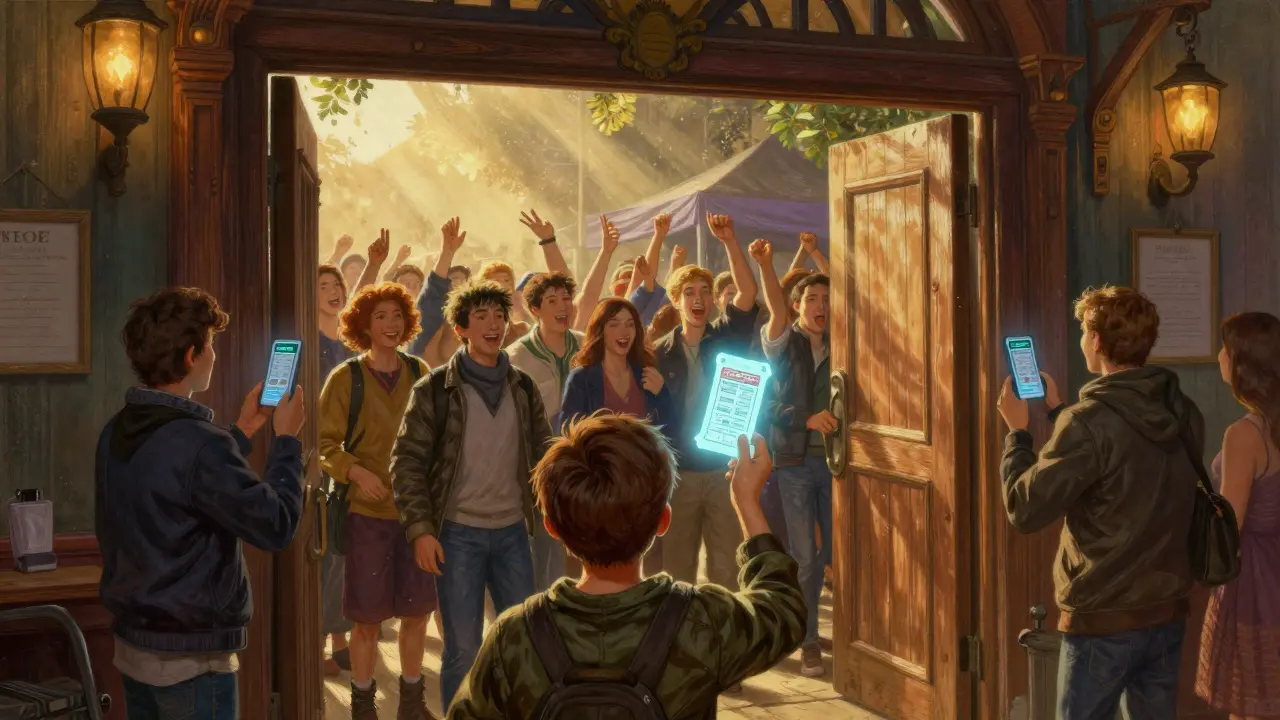
Imagine buying a ticket to your favorite band’s concert. You go, you have a blast, and then the ticket vanishes into thin air-literally. It becomes a useless piece of paper or a forgotten email attachment. Now, imagine if that ticket stayed with you forever. Not just as a receipt, but as a digital key that unlocks backstage footage, discounts on future merch, and a seat at the table for exclusive community chats. This isn’t science fiction. It’s happening right now through NFT tickets.
We are in mid-2026, and the hype cycle around Non-Fungible Tokens has settled into something much more practical. The days of apes selling for millions are behind us, replaced by utility-driven applications. One of the most successful is live events. Organizers from small local gigs to massive festivals are ditching traditional QR codes for blockchain-based assets. Why? Because it solves the biggest headaches in the industry: fraud, scalping, and disengaged fans.
The Death of the Paper Ticket
Let’s be honest about why we hate traditional ticketing. You buy a ticket, hope it doesn’t get counterfeited, pray the seller doesn’t flip it on StubHub for triple the price, and then wonder what happened to your money after the event ends. The system is broken. It treats fans like cash cows rather than community members.
NFT ticketing changes this dynamic completely. At its core, an NFT ticket is a unique digital asset stored on a blockchain ledger. Unlike a standard PDF or QR code, which can be copied infinitely, an NFT has a single, verifiable owner. When you hold the ticket, the blockchain proves it. There is no "fake" version because the record of ownership is immutable.
This shift does more than just stop fraud. It turns a transactional purchase into a lasting relationship. The ticket doesn’t expire when the doors close. It lives in your digital wallet, ready to unlock new experiences months or even years later.
How Smart Contracts Stop Scalpers
If you’ve ever tried to buy tickets for a popular show, you know the pain of seeing them instantly vanish from the primary site only to reappear on resale platforms at exorbitant prices. Scalpers use bots to buy up inventory, creating artificial scarcity.
NFTs solve this using smart contracts, which are self-executing agreements with the terms directly written into code. Here is how it works in practice:
- Price Caps: The organizer can program the ticket so it cannot be resold for more than face value plus a small fee. If someone tries to list it higher, the transaction fails.
- Time Locks: Tickets can be locked until a certain date (e.g., 48 hours before the event) to prevent early flipping.
- Royalty Payments: Every time the ticket is resold, a percentage automatically goes back to the artist or venue. In the old model, organizers saw zero revenue from secondary sales. Now, they profit from every hand-off.
This transparency creates a fairer market. Fans aren’t punished for wanting to attend, and artists finally get a cut of the resale economy that was previously stolen from them.
Beyond Entry: The Collectible Experience
The real magic of NFT tickets lies in what happens after the event. Think of these tokens as living artifacts. They can evolve based on your interaction with the brand.
For example, a music festival might issue a basic NFT ticket. During the weekend, attendees who visit specific stages or meet certain criteria receive "airdrops"-additional digital badges layered onto their original ticket. By the end of the event, two people holding the same base ticket might have completely different visual designs based on their journey through the festival.
This gamification drives foot traffic to sponsors and lesser-known acts while giving fans a sense of achievement. These enhanced tickets become bragging rights. They are displayed in digital galleries or linked to social media profiles, serving as permanent proof of attendance. For collectors, owning a rare, fully-upgraded NFT from a historic event can hold significant value, similar to a signed baseball card.
Building True Communities, Not Just Audiences
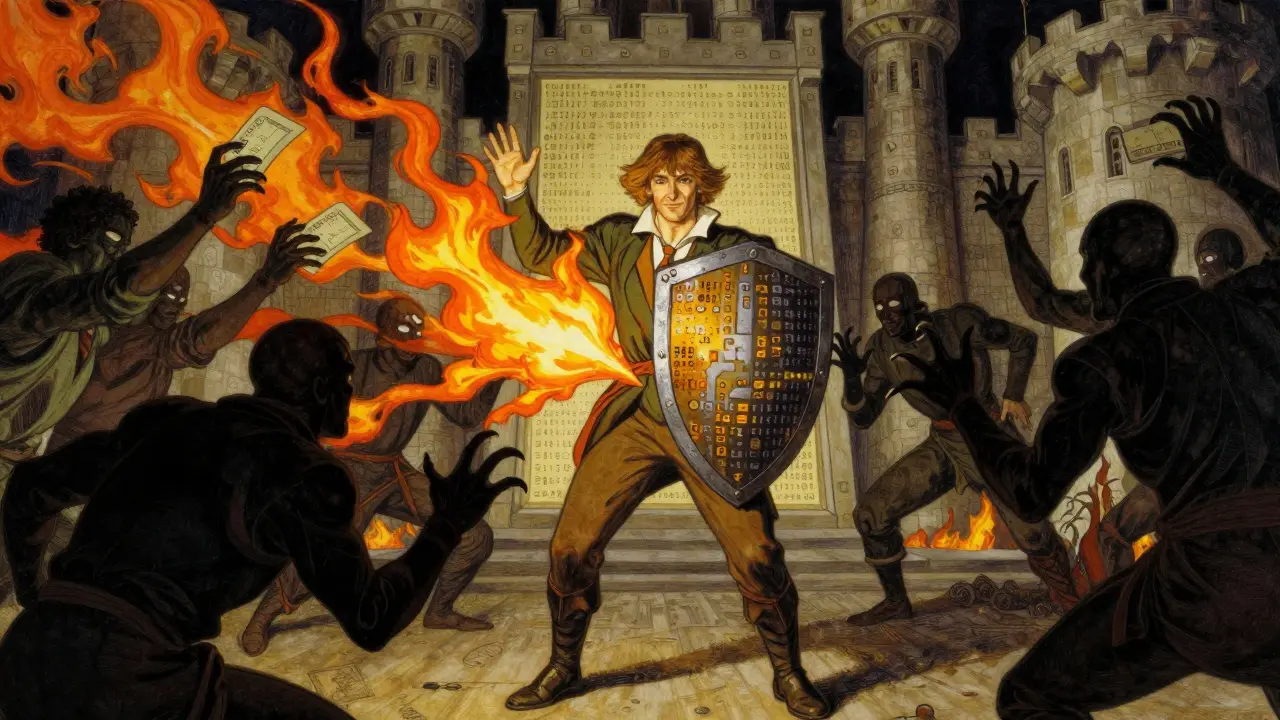
Traditional marketing relies on email lists that get ignored. NFT ticketing enables direct, permissionless communication. Since every ticket holder has a verified wallet address, organizers can interact with them without intermediaries.
Here is a typical workflow for deepening fan loyalty:
- Pre-Event Hype: Holders receive early access to setlists or exclusive interviews via a private Discord channel accessible only to wallet owners.
- In-Event Perks: Scanning the NFT at the venue unlocks VIP lounge access or free drink vouchers. No need to show a phone screen; the backend verifies the token ownership silently.
- Post-Event Retention: Months later, the artist drops a limited-edition vinyl record. Only those who held the NFT ticket during the concert window can purchase it at a discount.
This creates a "proof-of-attendance" ecosystem. You aren’t just a customer; you are a verified member of the inner circle. This model is particularly powerful for niche communities where belonging matters more than mass appeal.
Real-World Success Stories
You don’t have to take my word for it. Look at the EXIT Festival in Serbia. In recent years, they partnered with NFT-Tix to mint thousands of blockchain-based passes. The result? Zero counterfeit tickets reported. More importantly, they built a database of engaged fans who could be targeted for next year’s lineup announcements.
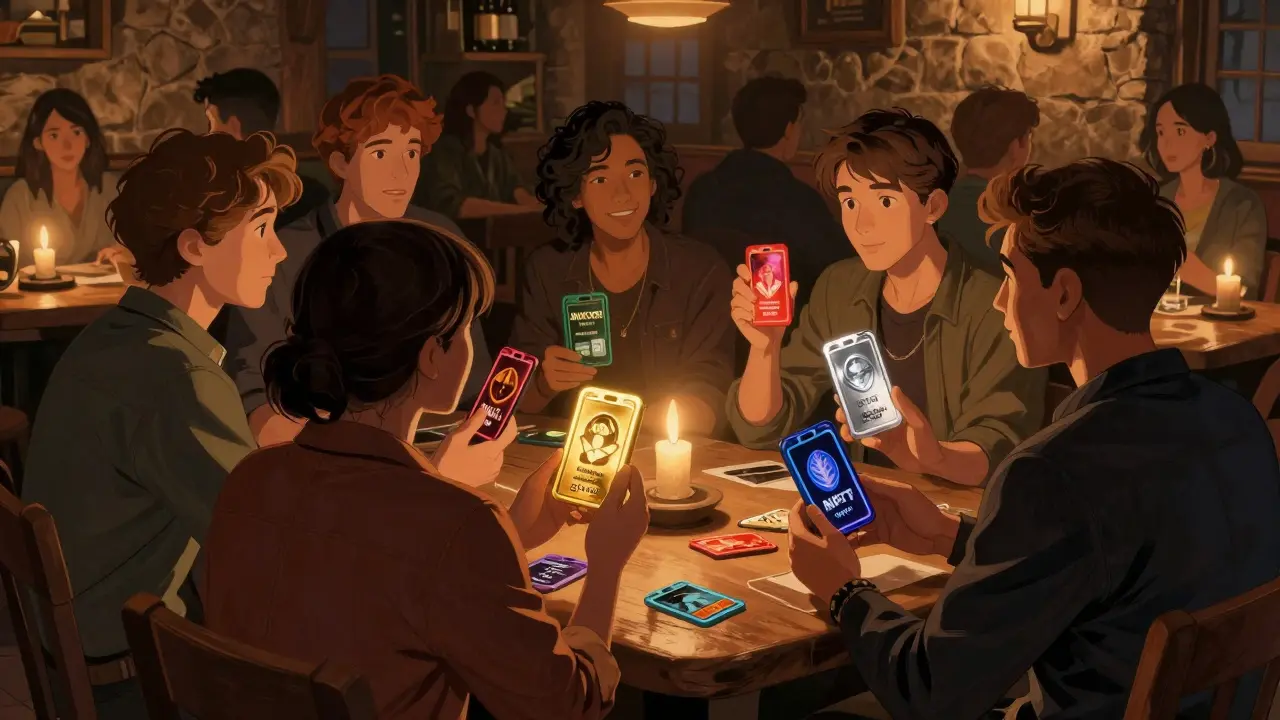
In sports, teams are issuing NFTs for game-day entry that double as trading cards featuring player stats. A fan attending a basketball game receives an NFT that updates with the final score and highlights. If their team wins, the NFT glows gold. If they lose, it turns silver. It’s a tangible memory of the night’s emotion.
Another notable example is the Proof-of-Attendance Protocol (POAP). While not always used for paid entry, POAPs are free digital badges given to attendees of conferences and workshops. They serve as verifiable credentials for professional networking. Imagine showing up to a tech conference and proving you were there by flashing your POAP history instead of handing out a business card.
| Feature | Traditional Ticket | NFT Ticket |
|---|---|---|
| Fraud Risk | High (counterfeits common) | None (blockchain verified) |
| Resale Control | Low (scalpers dominate) | High (programmable limits) |
| Post-Event Value | Zero (trash/recycle) | High (collectible/utility) |
| Organizer Revenue | Primary sale only | Primary + Secondary royalties |
| User Barrier | Low (email/print) | Medium (wallet setup required) |
Addressing the Friction: Wallets and Usability
No discussion of NFTs is complete without addressing the elephant in the room: usability. In 2021, asking someone to create a MetaMask wallet and buy ETH felt like asking them to defuse a bomb. Today, the experience is smoother, but friction remains.
The good news is that major ticketing platforms are abstracting away the complexity. Users often don’t need to know they are using a blockchain. They log in with their email, buy the ticket, and the platform handles the wallet creation in the background. The ticket appears in a user-friendly app interface, not just a raw blockchain explorer.
However, for true ownership, users still need to understand basic wallet management. This means keeping seed phrases safe and understanding gas fees (transaction costs). As Layer 2 scaling solutions like Polygon and Base become standard, these fees have dropped to fractions of a cent, making micro-transactions viable. The environmental concerns regarding energy consumption have also largely been mitigated by the industry-wide shift to Proof-of-Stake consensus mechanisms, which use 99% less energy than older systems.
The Future of Fan Interaction
We are only scratching the surface. Imagine concerts where your NFT ticket allows you to vote on the encore song. Or sports games where holding a specific NFT grants you access to a virtual reality replay from the quarterback’s perspective.
The integration of AI will further personalize this. An AI agent could analyze your NFT collection history and suggest events you’d love, or automatically negotiate trades with other fans for better seats. The boundary between the physical event and the digital reward loop is blurring.
For organizers, the data insights are invaluable. Instead of guessing who their loyal fans are, they can see exactly who holds multiple tickets, who engages with post-event content, and who participates in secondary markets. This allows for hyper-targeted marketing that respects user privacy while delivering relevant offers.
The transition won’t happen overnight. Legacy systems are entrenched, and education is still needed. But the direction is clear. Fans want more than just admission; they want connection, ownership, and memories that last. NFT tickets deliver exactly that.
Do I need crypto to buy an NFT ticket?
Not necessarily. Many modern ticketing platforms allow you to pay with credit cards or PayPal. The platform handles the conversion to cryptocurrency and mints the NFT on your behalf. However, to truly own and transfer the ticket later, you may need to set up a digital wallet.
Can NFT tickets be lost or hacked?
The blockchain itself is secure and cannot be hacked. However, if you lose access to your digital wallet (by forgetting your password or losing your device without a backup), you lose access to the ticket. Always store your recovery phrase securely. Reputable platforms often offer account recovery options tied to your email or phone number to mitigate this risk.
Are NFT tickets environmentally friendly?
Most NFT ticketing today uses eco-friendly blockchains like Polygon, Solana, or Ethereum’s Layer 2 networks (which use Proof-of-Stake). These consume negligible energy compared to the old Bitcoin-style mining models. It is far more sustainable than printing millions of paper tickets.
What happens if the event is cancelled?
Smart contracts can be programmed to handle refunds automatically. If an event is cancelled, the contract can return the funds to the buyer's wallet instantly, without waiting for customer service approval. Alternatively, the NFT might be converted into a "rain check" token valid for a future event.
How do I prove I attended the event?
Your NFT serves as permanent, verifiable proof of attendance. You can share the token ID or link to your public wallet profile. Some events also issue separate Proof-of-Attendance Protocols (POAPs) that act as digital badges for your social media or professional profiles.