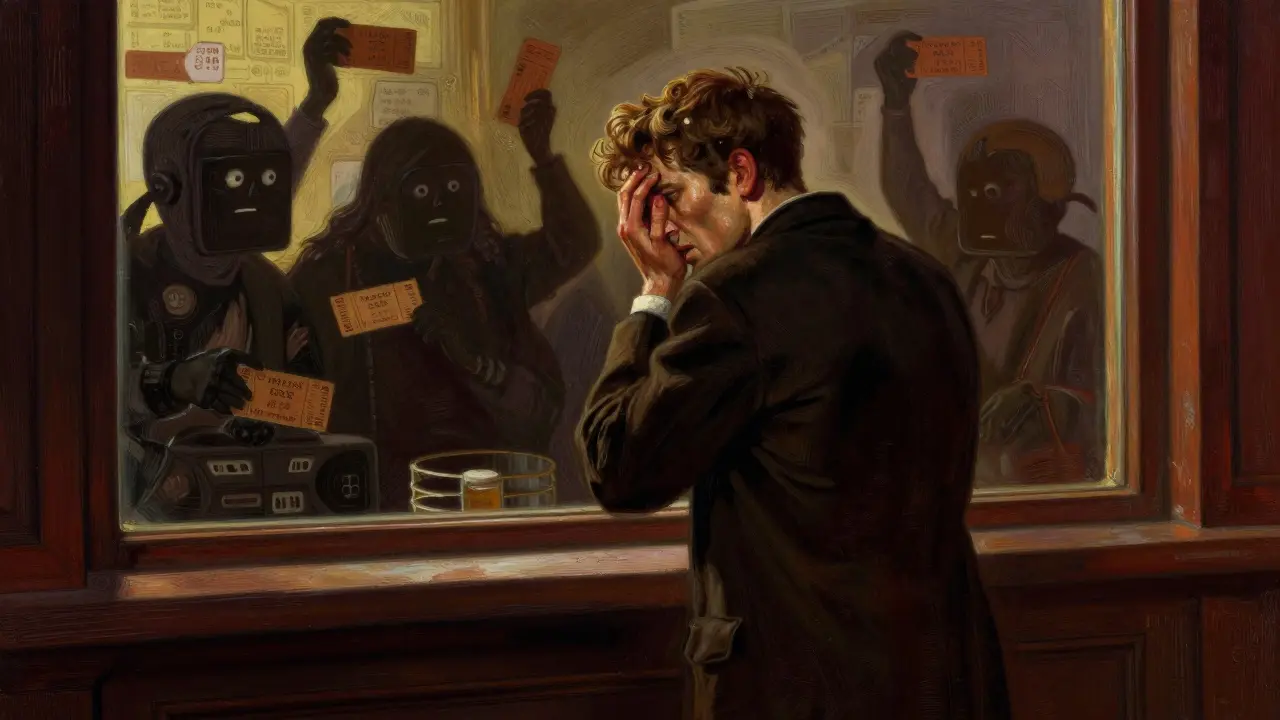
Remember the last time you tried to buy a ticket for a sold-out concert or a major sports final? You probably spent hours refreshing a page, only to watch bots snatch up every seat in seconds. Then came the scalpers on secondary markets, charging triple the face value. It’s frustrating, expensive, and feels rigged. That is exactly why the event industry is looking at NFT tickets, which are digital admission passes stored on a blockchain that verify ownership and authenticity through cryptographic methods.
If the term “NFT” makes you think of expensive monkey pictures or confusing crypto jargon, take a breath. In the world of events, an NFT ticket is simply a smarter, more secure way to prove you have a seat. It’s not about speculation; it’s about solving the headache of counterfeiting, scalping, and lost tickets. By 2026, this technology has moved from a niche experiment to a standard option for many major festivals and conferences. Let’s break down what these tickets actually are, how they work for you as a fan, and whether they’re worth the hassle.
How NFT Tickets Actually Work
At its core, an NFT (Non-Fungible Token) is a unique digital certificate of ownership recorded on a decentralized ledger called a blockchain. When you buy an NFT ticket, you aren’t just downloading a PDF. You are receiving a token linked to your digital wallet. This token contains specific metadata: the event date, venue coordinates, your seat number, and rules about who can transfer the ticket.
The magic happens at the gate. Traditional QR codes are static images. If someone screenshots your email and sends it to ten friends, all ten might try to scan in. With NFT tickets, the system uses dynamic QR codes that refresh every 30 seconds. Even if someone steals a screenshot of your code, it will be expired by the time they reach the turnstile. The scanner checks your digital wallet against the blockchain to ensure the ticket hasn’t already been used. According to case studies from Queue-it, this verification takes an average of 2.4 seconds per scan, which is faster than many traditional paperless systems.
To use one, you need three things:
- A cryptocurrency wallet (like MetaMask or Phantom).
- An internet connection on your phone.
- A small amount of cryptocurrency to cover transaction fees (gas fees), though many platforms now subsidize this cost.
You don’t need to be a tech expert. Platforms like MoonPay have simplified the process so you can often buy with a credit card, and the backend handles the crypto conversion automatically.
Why Switch From Paper or Digital PDFs?
The shift isn’t just about hype. It addresses three massive pain points in the live events industry: fraud, scalping, and waste. Here is how NFT tickets compare to the old ways:
| Feature | Traditional Paper/PDF | NFT Tickets |
|---|---|---|
| Fraud Risk | High (12-18% counterfeit rate) | Zero (Cryptographically unique) |
| Scalping Control | None (Easy to resell at any price) | Programmable (Organizers can cap resale prices) |
| Post-Event Value | Trash (Thrown away after entry) | Digital Collectible (Can unlock perks/memories) |
| Transfer Speed | Email forward (Slow, prone to errors) | Instant Blockchain Transfer |
| User Barrier | Low (Everyone knows how to print) | Medium (Requires wallet setup) |
The biggest win for fans is the fight against bots. During the Taylor Swift Eras Tour sale in late 2022, Ticketmaster faced billions of bot requests. NFT platforms like GUTS Tickets use "verifiable delay functions" that require human interaction intervals, making it much harder for automated scripts to hoard tickets. Additionally, organizers can program smart contracts to limit resale prices. For example, a rule could state that a ticket can never be sold for more than 110% of its face value, keeping the market fair for real fans.
The Hidden Perks: More Than Just Entry
One of the coolest aspects of NFT tickets is what happens after the show ends. A paper ticket goes in the trash. An NFT ticket stays in your wallet forever. Organizers are using this permanence to build deeper connections with their audience.
Imagine attending a music festival. Your NFT ticket gets you in the door, but later that year, it unlocks exclusive backstage footage, a discount on merch, or early access to next year’s lineup. Some artists even release limited-edition audio tracks that are only playable if you hold the ticket NFT from their previous tour. This transforms the ticket from a disposable commodity into a permanent piece of memorabilia. According to data from ComeTogether, event organizers see up to 31% higher post-event engagement when tickets function as collectibles.
This also creates a new revenue stream. When you resell an NFT ticket on a secondary marketplace, the smart contract can automatically send a royalty fee (typically 5-15%) back to the artist or organizer. This means everyone benefits from the secondary market, rather than just the scalper.

The Real Challenges: Is It Worth the Hassle?
It’s not all smooth sailing. The biggest barrier remains user experience. While tech-savvy users love the security, older demographics or those unfamiliar with digital finance find it daunting. A survey by Eventbrite found that nearly 70% of concertgoers were initially reluctant to use crypto-based systems due to perceived complexity.
Here are the main hurdles you might face:
- Wallet Setup: You need to create and secure a digital wallet. If you lose your seed phrase (the backup password), you lose your ticket permanently. There is no "forgot password" button on the blockchain.
- Transaction Fees: On networks like Ethereum, gas fees can spike during high traffic, costing $1.50 to $15 per transaction. However, most modern NFT ticketing uses Layer-2 solutions like Polygon, where fees drop to pennies ($0.02-$0.50).
- Technical Glitches: If your phone dies or loses signal before you can generate the dynamic QR code, you’re stuck. While rare, connectivity issues at crowded venues can cause panic.
- Regulatory Uncertainty: Laws around digital assets are still evolving. In some regions, it’s unclear if an NFT ticket counts as a security or a simple good, which affects consumer protection rights.
Trustpilot reviews for NFT ticketing platforms average a 3.7 out of 5 rating. Users praise the fraud prevention but often criticize customer support response times, which can lag behind traditional ticketing giants.
Who Is Using NFT Tickets Now?
By 2026, adoption has spread beyond early adopters. Major players have integrated or tested this technology:
- Ticketmaster: Launched "Token Tix," allowing users to convert standard tickets into NFTs for select events, bridging the gap between traditional and blockchain systems.
- The NBA: Rolled out NFT tickets for select games, reporting a 99.98% fraud prevention rate. They focused heavily on fan engagement features tied to game stats.
- Coachella & Music Festivals: Used NFTs to manage crowd flow and offer VIP upgrades via the secondary market.
- Corporate Conferences: Use NFTs to track attendee engagement and offer networking perks based on ticket tier.
North America leads with 47% of implementations, followed closely by Europe. Music festivals remain the largest segment, accounting for nearly 40% of all NFT ticket sales.
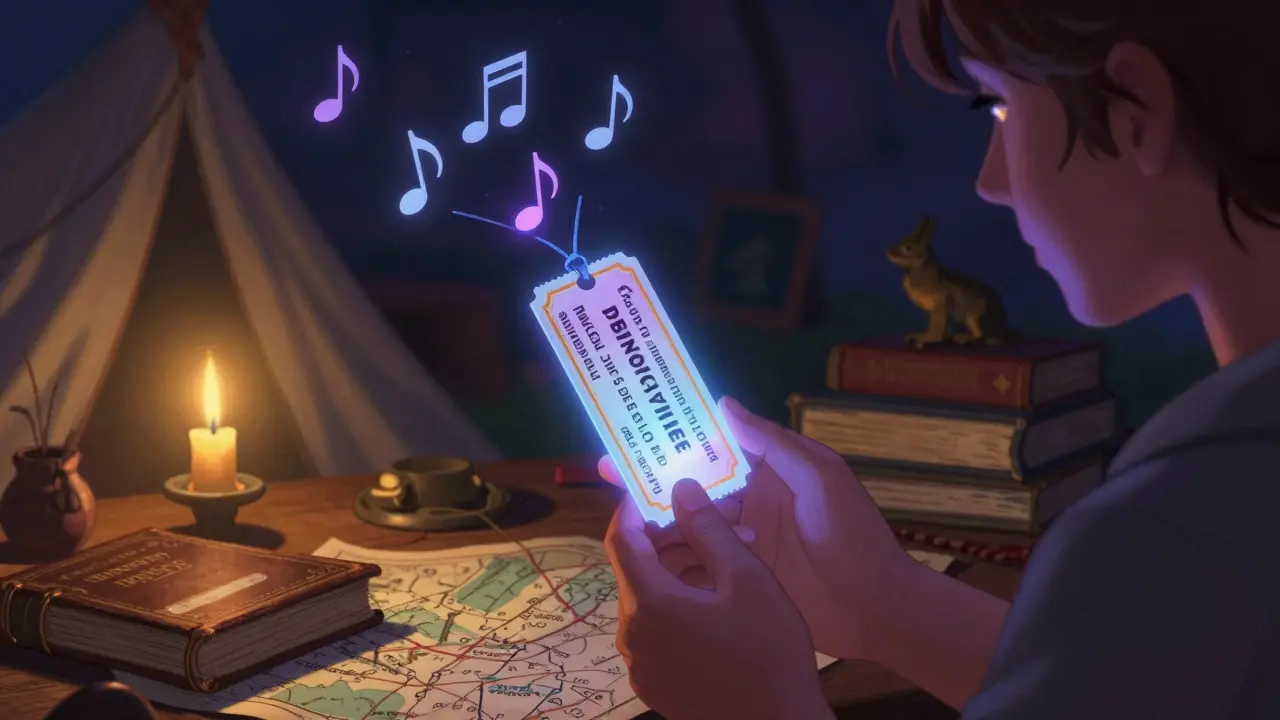
How to Buy and Use Your First NFT Ticket
If you decide to try an NFT ticket, here is a step-by-step guide to doing it safely:
- Choose a Reputable Platform: Stick to well-known marketplaces or official event sites that partner with established providers like Tokenproof, GUTS, or OpenSea. Avoid random links sent via DM.
- Set Up a Wallet: Download a user-friendly wallet app like MetaMask or Coinbase Wallet. Write down your recovery phrase on paper and store it somewhere safe. Never share this phrase online.
- Add Funds: Most platforms allow you to pay with a credit card. The platform will handle the conversion to the necessary cryptocurrency (usually MATIC for Polygon or ETH for Ethereum). Ensure you have enough balance to cover both the ticket price and the tiny network fee.
- Mint or Purchase: Click buy. You may need to confirm the transaction in your wallet app. Wait for the blockchain confirmation (usually under a minute).
- Verify Ownership: Check your wallet to ensure the ticket appears. Take a screenshot of the transaction ID for your records.
- Day of Event: Keep your phone charged. Open your wallet, navigate to the ticket, and present the dynamic QR code to the scanner. Do not close the app until you’ve entered.
Pro tip: If you’re worried about technical issues, look for events offering "hybrid" options where you can exchange your NFT for a physical barcode at a help desk before entering.
The Future of Live Events
NFT tickets are not just a fad; they represent a fundamental shift in how we value access. As blockchain infrastructure improves, the friction will decrease. We are already seeing biometric integrations, where your fingerprint verifies your wallet, removing the need to fumble with phones. Cross-chain standards are emerging, meaning you’ll soon be able to use one wallet for tickets across different platforms.
While the technology won’t replace paper tickets overnight-especially for local community events-the trend is clear. For high-demand, high-value events, NFTs offer a level of security and fairness that traditional systems cannot match. The question is no longer if NFT tickets will become common, but how quickly the rest of the industry will catch up to make them accessible to everyone.
Are NFT tickets free to receive?
No, you typically have to purchase the ticket. However, the cost includes the face value plus a very small network fee (gas fee). Many organizers absorb the gas fee, so you only pay the ticket price. Be wary of scams asking for "free" NFTs that require you to pay gas first.
Can I resell my NFT ticket?
Yes, but the rules depend on the smart contract. Some tickets are non-transferable to prevent scalping. Others allow resale on specific marketplaces with capped prices. Always check the terms before buying to ensure you can transfer it if your plans change.
What happens if I lose my phone?
As long as you have your wallet's recovery phrase (seed phrase), you can restore your wallet on a new device and regain access to your ticket. If you lose both your phone and your recovery phrase, the ticket is likely unrecoverable. This is why securing your seed phrase is critical.
Do I need to know crypto to use NFT tickets?
Not really. Modern platforms are designed to hide the complexity. You can often buy with a credit card, and the app handles the blockchain interactions in the background. Think of it like using Apple Pay-you don't need to understand the banking rails, just tap and go.
Is it safe to buy NFT tickets?
It is safer regarding fraud because the tickets cannot be counterfeited. However, cybersecurity risks exist. Only buy from official event channels or verified marketplaces. Never click suspicious links, and always double-check the contract address before confirming a transaction.
Nick Rice
June 24, 2026 AT 15:35Look, I get the hype around blockchain security but let's be real about the user experience barrier here. You're asking grandmas to set up a MetaMask wallet just to see Taylor Swift? That is a massive friction point that isn't going away anytime soon. The tech is cool sure, but if it requires a computer science degree to execute, it fails as a mass-market solution. We need abstraction layers that are invisible to the end user before this becomes standard.
Amit Thakur
June 24, 2026 AT 20:35The cryptographic verification protocols inherent in NFT ticketing significantly mitigate the risk of counterfeiting which has plagued traditional ticketing ecosystems for decades. By leveraging immutable ledger technology we can ensure provenance and authenticity without relying on centralized authorities. This paradigm shift allows for programmable smart contracts that enforce resale caps thereby disrupting the predatory scalping market dynamics that currently exploit consumers.
Eric Scheinberg
June 26, 2026 AT 02:18It is imperative to consider the environmental impact of these transactions even with layer two solutions. While polygon reduces gas fees the energy consumption remains a concern for many stakeholders. Furthermore the regulatory landscape is still ambiguous regarding consumer protection rights in digital asset transfers. One must proceed with caution and thorough due diligence before adopting such systems for critical purchases like event admission.
pankaj chawla
June 26, 2026 AT 22:41I think there is a lot of potential here if the platforms work together better. The idea of getting royalties back to artists is fantastic and solves a huge ethical issue in the music industry. If we can make the wallet setup seamless maybe through social login integration then adoption will skyrocket. Let's hope the tech giants step up their game on UX.
Jessica Lane
June 28, 2026 AT 18:03This is actually quite fascinating when you break down the mechanics behind the scenes. The dynamic QR codes refreshing every thirty seconds is a brilliant touch that completely neutralizes screenshot fraud. I had no idea the verification process could be so fast at under three seconds per scan. It seems like the infrastructure is finally maturing enough to support widespread use without causing bottlenecks at entry gates.
Charles Pawlikowski
June 30, 2026 AT 10:59another day another crypto scam wrapped in fancy words :/ i miss the good old days when you just bought a paper ticket and went to the show. now we have to deal with wallets and seed phrases and who knows what else. feels like they are trying to steal our money twice. keep my data off your blockchain thanks.
Andrea Burd
July 1, 2026 AT 16:06ugh why does everything have to be complicated now. i dont want an nft i want to see the band. the whole concept feels pretentious and unnecessary for something as simple as buying a seat. plus if i lose my phone im screwed. terrible idea.
Akeem Whittaker
July 3, 2026 AT 12:28You guys are missing the forest for the trees here. The post clearly outlines how Layer-2 solutions like Polygon have dropped fees to pennies. It is not about the crypto speculation anymore; it is about supply chain integrity for events. If you lose your seed phrase that is on you just like losing a physical key but the benefits of anti-scalping outweigh that risk for high-demand events. Educate yourself before dismissing the utility.
Manish Prajapat
July 4, 2026 AT 03:14There is a philosophical dimension to ownership that NFTs introduce which traditional tickets lack. When you hold a physical ticket you possess a piece of paper that loses value immediately after entry. An NFT persists as a digital artifact of your experience potentially unlocking future benefits or memories. This transforms the transaction from a mere service exchange into a lasting relationship between the fan and the creator. It redefines what it means to attend an event in the digital age.
John Doe
July 4, 2026 AT 12:46I remember the chaos of the Ticketmaster crash last year and honestly this sounds like a lifesaver. Bots taking all the tickets was absolutely infuriating and felt completely rigged against normal fans. If verifiable delay functions can actually stop those automated scripts then I am all for it. Just please make sure the app doesn't crash when ten thousand people try to load it at once.
Mekz Wheoki
July 4, 2026 AT 19:04Oh great another tech solution looking for a problem that didn't exist. Scalpers will just find a way around the price caps by selling the underlying wallet or using offshore exchanges. You are solving nothing except creating more middlemen to charge fees. The NBA rollout was a disaster for half the users who couldn't figure out the interface. Save your time and stick to paper.
Skm Shubham
July 6, 2026 AT 03:41The data presented is cherry-picked to favor the narrative of blockchain superiority. Ignoring the significant customer support failures and the lack of recourse for lost funds paints a rosy picture that doesn't match reality. Most users are not tech-savvy enough to handle private keys securely leading to inevitable losses. This is a solution in search of a market driven by venture capital hype rather than genuine user demand.
Rob Aronson
July 6, 2026 AT 19:56As someone who works in fintech I can tell you the smart contract logic for royalty distribution is incredibly elegant. 🚀 Being able to automate secondary market fees ensures artists get paid fairly which is a huge win for equity in the industry. The interoperability issues are being solved rapidly with cross-chain standards emerging. This is the future of digital identity and access management. 💯
Kwon Bill
July 8, 2026 AT 14:37In South Korea we have seen similar trends with digital collectibles tied to K-pop concerts. The engagement metrics are off the charts because fans love the exclusive content unlocks. It creates a community ecosystem that goes beyond just the live performance. The cultural acceptance of digital assets is much higher here so adoption happens faster. Global markets should look at these case studies for implementation strategies.
Danna Charris
July 9, 2026 AT 06:45It is quaint how everyone assumes this will replace paper. It won't. Paper has a tactile quality and a simplicity that digital cannot replicate for casual attendees. NFTs are for the hardcore collectors and tech enthusiasts. For the average person going to a local fair paper is still king. Don't overhype the utility for the masses.
Fede Faith
July 9, 2026 AT 11:39If you are worried about the technical side just follow the guide in the post carefully. Write down your seed phrase on paper and hide it somewhere safe. Do not screenshot it. Use a reputable wallet like MetaMask. Once you do it once it becomes second nature. The peace of mind knowing your ticket can't be faked is worth the initial learning curve. Give it a try for your next festival.
Josh Dodson
July 9, 2026 AT 23:50im totally down for this stuff! its super cool that the ticket stays with you forever. i already have a wallet so it wont be hard for me. lets gooo! hopefully the fees stay low tho cause nobody likes paying extra for nothing. but yeah the anti-bot stuff is amazing.
Suman Patil
July 11, 2026 AT 17:25We should embrace this change with open minds. The jargon might be heavy but the core concept is fairness. Imagine a world where scalpers cannot triple the price of a ticket. That is a dream come true for working-class fans. The technology serves humanity here by democratizing access to entertainment. Let us support initiatives that prioritize user welfare over profit margins.
Kumaran sowkarpet
July 12, 2026 AT 17:17In India we are seeing rapid adoption of UPI and digital payments so this transition feels natural. The youth are very comfortable with crypto concepts. However we need better internet infrastructure in rural areas to ensure everyone can access these dynamic QR codes. Connectivity is key for this to work smoothly everywhere. Hope to see more events adopting this soon!
Mauricio Contreras Loredo
July 13, 2026 AT 16:33Sure whatever you say tech bros. I'll stick to my paper stubs until the robots take over completely. But hey if it keeps the scalpers at bay maybe I'll give it a shot. Just don't blame me when the server crashes again. Classic.