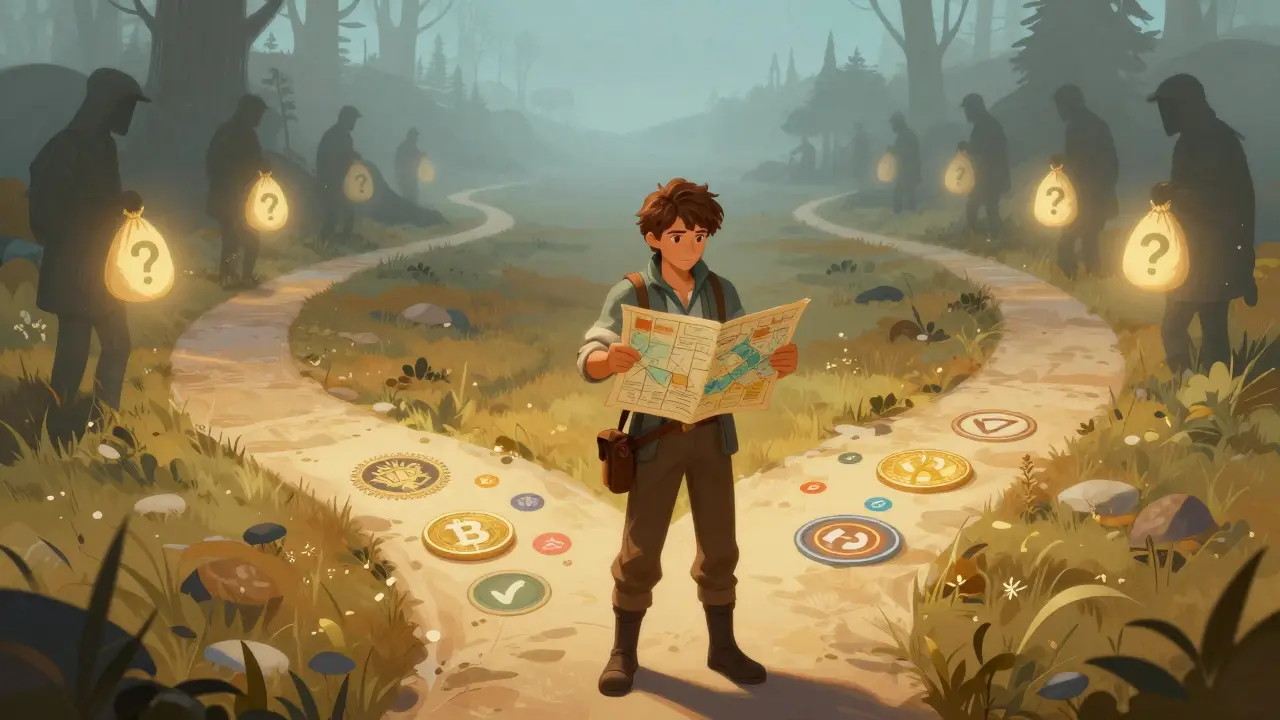
Have you seen the buzz around the CRDT Giveaway? If you are scrolling through social media or checking your email inbox, you might have stumbled upon claims of free tokens. The term "Give a Way" often pops up in these headlines, promising easy money for just clicking a button or sharing a post. But before you rush to connect your wallet, we need to pause and look at what is actually happening here.
In the world of cryptocurrency, an airdrop is a marketing strategy where projects distribute free tokens to users' wallets to build community awareness and decentralize ownership. While legitimate airdrops exist, the specific mention of a "CRDT Giveaway" requires extreme caution. As of mid-2026, there is no widely recognized, major blockchain protocol known simply as "CRDT" that has launched a massive, verified public airdrop under this exact name. This ambiguity is a red flag that every crypto participant must understand.
Understanding the Basics: What Is an Airdrop?
To navigate this safely, you first need to know how real airdrops work. Projects use them to reward early adopters or to incentivize new users to try their platform. There are generally two main types you will encounter:
- Retroactive Airdrops: These reward users who used a protocol in the past. For example, if you swapped tokens on a decentralized exchange (DEX) before they launched their own token, you might get rewarded later. No action is required from you other than having used the service previously.
- Task-Based Airdrops: These require you to complete actions. You might need to join a Discord server, follow a Twitter account, or sign a message with your wallet. This helps the project grow its community.
The key difference between a legit opportunity and a scam lies in the request for funds. A genuine airdrop never asks you to send money to receive money. If a site tells you to "pay gas fees" to claim your CRDT tokens by sending ETH or SOL to a specific address, it is a scam. Always verify the source.
The "CRDT" Confusion: Protocol vs. Token Name
Here is where things get tricky. "CRDT" stands for Conflict-free Replicated Data Type, which is a data structure used in computer science to allow multiple users to update data concurrently without conflict. This technology is foundational for many modern blockchain apps, especially those focusing on real-time collaboration or state channels. However, CRDT is a technical concept, not necessarily a single token.
Scammers often hijack popular technical terms or lesser-known acronyms to create fake tokens. They might launch a token named "CRDT" on a low-cost chain like Solana or Base and run a "giveaway" to pump the price before dumping it on unsuspecting buyers. This is known as a "rug pull." To protect yourself, you must distinguish between the underlying technology (the data structure) and any potential token project claiming that name.
| Feature | Legitimate Airdrop | Scam Giveaway |
|---|---|---|
| Cost to Claim | Free (only network gas fees) | Requires sending crypto to an address |
| Verification | Official website, verified socials | Suspicious domains, unverified links |
| Urgency | Clear timelines, no pressure | "Claim now or lose out!" tactics |
| Wallet Interaction | Read-only checks or simple signatures | Asks for private keys or seed phrases |
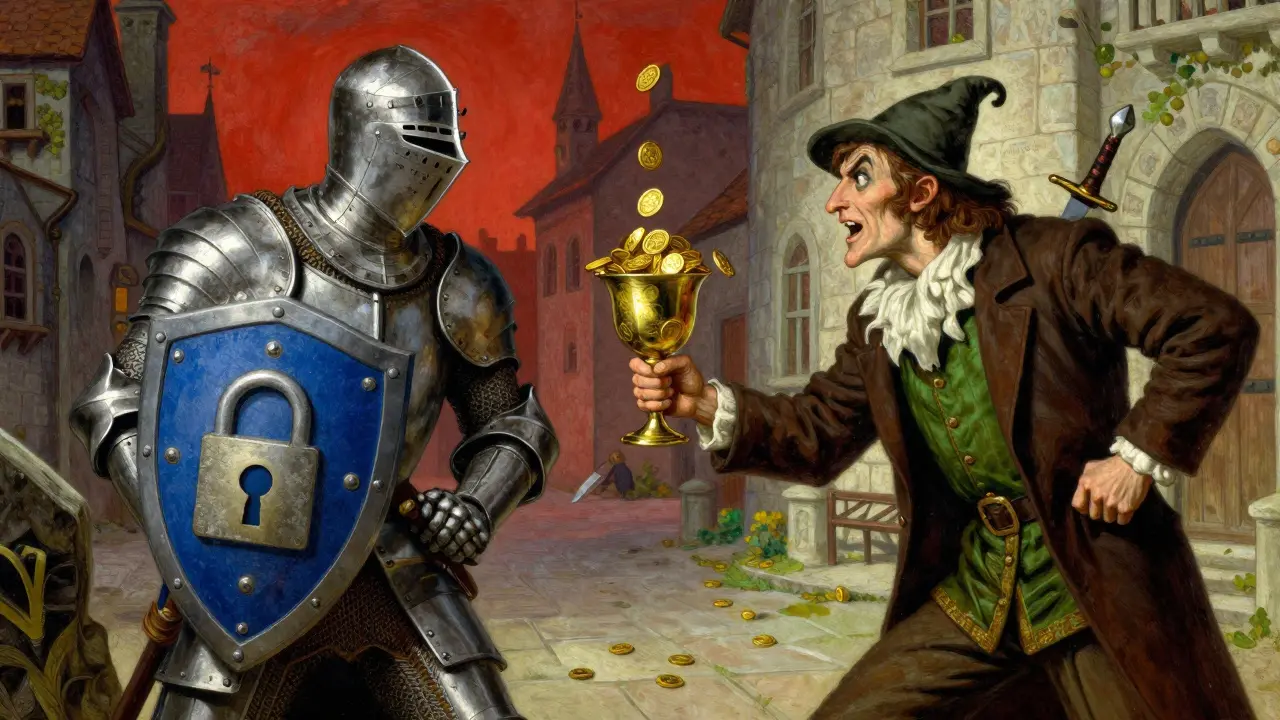
How to Verify If a CRDT Airdrop Is Real
If you believe you have found a legitimate CRDT-related project, do not click the first link you see. Follow this verification process:
- Check Official Channels: Go directly to the project's official Twitter (X) or Discord. Do not trust DMs. Look for pinned posts about airdrops. If the official team hasn't announced it, it doesn't exist.
- Analyze the Contract Address: If a token is involved, find its contract address on a block explorer like Etherscan, Solscan, or BscScan. Check who holds the majority of the supply. If one wallet holds 50%+ of the tokens, it is likely a rug pull risk.
- Look for Community Discussion: Search Reddit or specialized crypto forums. Are real people discussing the mechanics, or is it just bots posting "To the moon!"? Genuine communities debate details; scam communities only hype.
- Use Security Tools: Run the website URL through tools like VirusTotal or check the smart contract on platforms like Hacken or CertiK if available. These services audit code for vulnerabilities.
Remember, in 2026, phishing sites are incredibly sophisticated. They can clone official websites perfectly. Always bookmark the official site after verifying it through multiple sources, and always double-check the URL before connecting your wallet.
Safety First: Protecting Your Wallet
Your digital assets are only as safe as your habits. When participating in any potential airdrop, including rumored CRDT giveaways, adopt a defense-in-depth strategy.
First, use a separate wallet for airdrops. Never use your main cold storage wallet or the one holding your life savings for interacting with unknown contracts. Use a hot wallet like MetaMask or Phantom with minimal funds. If a malicious contract drains it, the loss is contained.
Second, be wary of signature requests. Some scams don't steal your funds immediately but ask you to sign a message that grants them permission to spend your tokens later. Review every transaction carefully. If a prompt asks for "Unlimited Approval," cancel it. Instead, set a specific limit for the amount the contract can access.
Finally, educate yourself on common social engineering tactics. Scammers might pose as customer support in Discord chats, offering to help you "claim" your tokens. They will send you a malicious link. Real support teams will never DM you first. If someone messages you unexpectedly, assume it is a bot or a hacker.
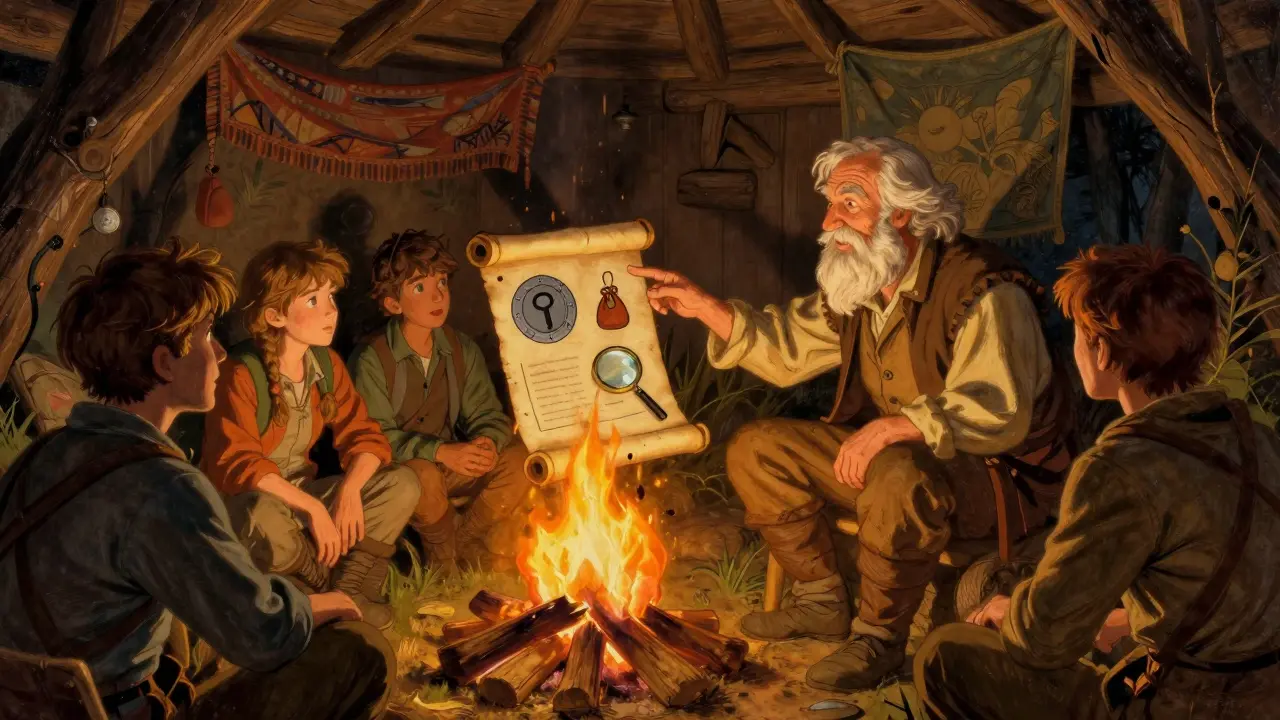
What to Do If You Encounter a Fake CRDT Giveaway
If you have already interacted with a suspicious site, act quickly. Revoke all approvals immediately using tools like Revoke.cash. This cuts off any access the malicious contract had to your tokens. Change your passwords if you entered them anywhere, though reputable crypto sites should never ask for your password. Monitor your wallet activity closely for the next few days.
Report the scam. Share the details on social media to warn others. Tag relevant security accounts and report the domain to internet watchdogs. While you cannot recover lost funds, helping the community stay informed is valuable.
Conclusion: Stay Skeptical, Stay Safe
The allure of free tokens is strong, but the risks are higher than ever. The "CRDT Giveaway" mentioned in various online spaces lacks verifiable backing from a major, established protocol. Treat it with skepticism. By understanding the difference between legitimate airdrop mechanics and predatory scams, you protect not just your crypto, but your peace of mind. Always prioritize verification over speed. In the fast-moving world of Web3, patience is your best security feature.
Is there an official CRDT token airdrop in 2026?
As of July 2026, there is no widely recognized, major blockchain project officially launching a "CRDT" token airdrop. CRDT primarily refers to a data structure technology. Be extremely cautious of any project using this name, as it may be a scam or a small, unverified experiment.
How can I tell if a crypto giveaway is a scam?
A giveaway is likely a scam if it asks you to send crypto to claim rewards, demands your private keys or seed phrase, uses urgency tactics like "claim now or lose out," or comes from unverified social media accounts. Legitimate airdrops are free except for standard network gas fees.
What should I do if I clicked a suspicious airdrop link?
Immediately disconnect your wallet from the site. Use a tool like Revoke.cash to revoke any token approvals granted to the malicious contract. Move any remaining funds to a new, secure wallet. Monitor your transaction history for unauthorized movements.
Do I need to pay to participate in a legitimate airdrop?
No. Legitimate airdrops do not require you to send money to receive tokens. You may need to pay small network gas fees to interact with the blockchain (like signing a message or claiming), but you should never send funds to a specific wallet address as a "fee" or "deposit."
What is a CRDT in blockchain technology?
CRDT stands for Conflict-free Replicated Data Type. It is a data structure that allows multiple nodes in a distributed system to update data independently and eventually converge to the same state without conflicts. It is used for scalability and real-time synchronization in some blockchain applications, but it is not a currency itself.
Johan Otto
July 4, 2026 AT 14:03Everyone is so scared of airdrops now lol. I just want free money.
Anuj Kashyap
July 5, 2026 AT 21:05The irony of seeking financial freedom through mechanisms designed to enslave your attention span is not lost on me 🤔
CRDTs are fascinating data structures for distributed systems, yet here we are, reducing them to ticker symbols for speculative gambling. It seems the collective consciousness has shifted from understanding the architecture of truth to chasing the illusion of value. The blockchain promised decentralization, but it delivered a new form of centralized hope.
We treat smart contracts like magic spells rather than code that can be exploited by those who read the documentation. It is a philosophical crisis disguised as a technical one. We are building castles on sand and calling it innovation because the sand moves faster than our skepticism. Perhaps if we spent less time looking for free tokens and more time understanding the underlying consensus mechanisms, we might actually achieve the autonomy we crave.
But then again, why think when you can click? The ease of deception is directly proportional to the laziness of verification. We are all complicit in our own potential ruin, waiting for a savior in the form of a retroactive reward that never comes. It is a modern tragedy written in Solidity and executed on-chain. 📉
Tracy Marshall
July 5, 2026 AT 21:07they dont want you to know the truth about these giveaways its all part of the grand plan to steal your identity and sell it to the highest bidder :(
i have seen the documents leaked online and they confirm that every single airdrop is a trap set by the global elite to drain the wallets of the common man
do not trust any website no matter how official it looks because they can clone anything with their technology
i keep my crypto in a shoebox under my bed because even hardware wallets can be hacked by satellites
stay vigilant people the matrix is closing in on us and these CRDT tokens are just breadcrumbs leading you into the slaughterhouse 😡😡😡
Alicia Hull
July 7, 2026 AT 10:16I must ask, what specific evidence supports the claim that CRDT is exclusively a data structure and not a token?
I have reviewed several whitepapers from three different startups claiming ownership of the CRDT acronym in various jurisdictions. Is it possible that the article is outdated or biased towards established protocols?
I am interested in understanding the legal framework surrounding trademark disputes in decentralized finance. If a project registers a domain before a major protocol announces a token, does that grant them legitimacy?
Please clarify the distinction between a 'rug pull' and a failed marketing campaign. Are there any documented cases where a CRDT-based project succeeded without being labeled a scam initially?
Guy Davis
July 7, 2026 AT 17:55u guys r idiots if u pay gas fees u r already losing
real airdrops r free period
stop falling for it
KEITH WONG
July 8, 2026 AT 14:13Look at this mess of information 🙄
Most of yall dont even know what a private key is let alone how to verify a contract address. You are walking around with your digital wallet wide open begging to get drained.
Ive been in crypto since 2017 and i see the same mistakes over and over again. People are too greedy to read the terms and conditions. If it sounds too good to be true it probably is because someone is trying to take your lunch money.
Stick to blue chips or stay out of it. These micro-cap airdrops are just noise designed to distract you from the real market movements. Wake up sheeple 🐑💸
Hamza k
July 10, 2026 AT 06:22Oh wow, talk about a bureaucratic nightmare wrapped in a digital bow! 🎁
I mean, seriously, who came up with the idea that giving away money is a good way to build trust? It’s like handing out free samples of poison and expecting people to say thank you. The sheer audacity of these scammers is almost admirable in its theatricality. They create entire ecosystems of lies just to swipe a few ETH from some poor soul who thinks they’ve found the holy grail of passive income.
And don’t even get me started on the ‘gas fee’ excuse. It’s the universal get-out-of-jail-free card for fraudsters everywhere. ‘Oh, you just need to pay a tiny little fee to unlock your millions.’ Yeah, right. Next thing you know, they’ll ask for a blood sacrifice to complete the transaction. 🩸
We really need to stop treating our wallets like public restrooms. Lock them up, throw away the keys, and maybe-just maybe-we’ll survive this wild west era of internet finance intact. Until then, enjoy the show while it lasts, folks! 🎭🔥
Natalie Lucas
July 10, 2026 AT 22:33hey everyone!! just wanted to say that staying safe is super important but dont forget to have fun too 😊
i learned the hard way about checking links so now i always double check everything. its like a game of spot the difference sometimes lol
keep your heads up and dont let the haters get you down. we got this 💪✨
Curtis Johnson
July 11, 2026 AT 05:12its really sad to see how much fear is spread in this space
but we gotta protect ourselves right? i mean nobody wants to lose their savings
lets just be kind to each other and share info instead of attacking people who made mistakes
we are all learning together after all ❤️
Steven Briggs
July 11, 2026 AT 20:26i guess i should just stick to savings accounts then
this stuff is too complicated for me anyway
Kim Kay
July 12, 2026 AT 04:33i tried to use revoke.cash once and it was so confusing
did i do it right? i still feel nervous about connecting my wallet to new sites
maybe someone could explain it simpler next time please?
Kristy Morrow
July 13, 2026 AT 08:38the masses sleepwalk into poverty
you think you are smart for avoiding scams but you are just avoiding opportunity
real wealth requires risk and you are too chicken to take it
crdt or not the system is rigged against the cautious
wake up
John Harman
July 14, 2026 AT 10:19Let me school you all on how this actually works since clearly none of you understand basic cryptography.
CRDTs are used in state channels for scalability. If a project is using CRDTs correctly, they wouldn't need an airdrop to bootstrap liquidity because the utility would drive demand. The fact that there is an airdrop means the token has no intrinsic value and is purely a vehicle for speculation.
Furthermore, the security model of most EVM-compatible chains relies on signature replay protection which many of these fake sites bypass by using invalid chain IDs. If you are signing a message on a testnet thinking it is mainnet, you are essentially authorizing a transfer on a network that doesn't exist in the economic sense.
Stop clicking links. Learn to read ABIs. If you can't tell the difference between a function call and a transfer, you don't deserve to hold keys. Simple as that.
Antony Lopez
July 14, 2026 AT 21:34This whole crypto scene is dominated by foreign actors trying to undermine our local economy.
I don't trust these international protocols. We need American blockchains built on American servers with American oversight.
If this CRDT thing isn't registered with the SEC and backed by US assets, it's garbage.
Keep your money in dollars and support domestic industries. Don't let these overseas scammers steal your future.