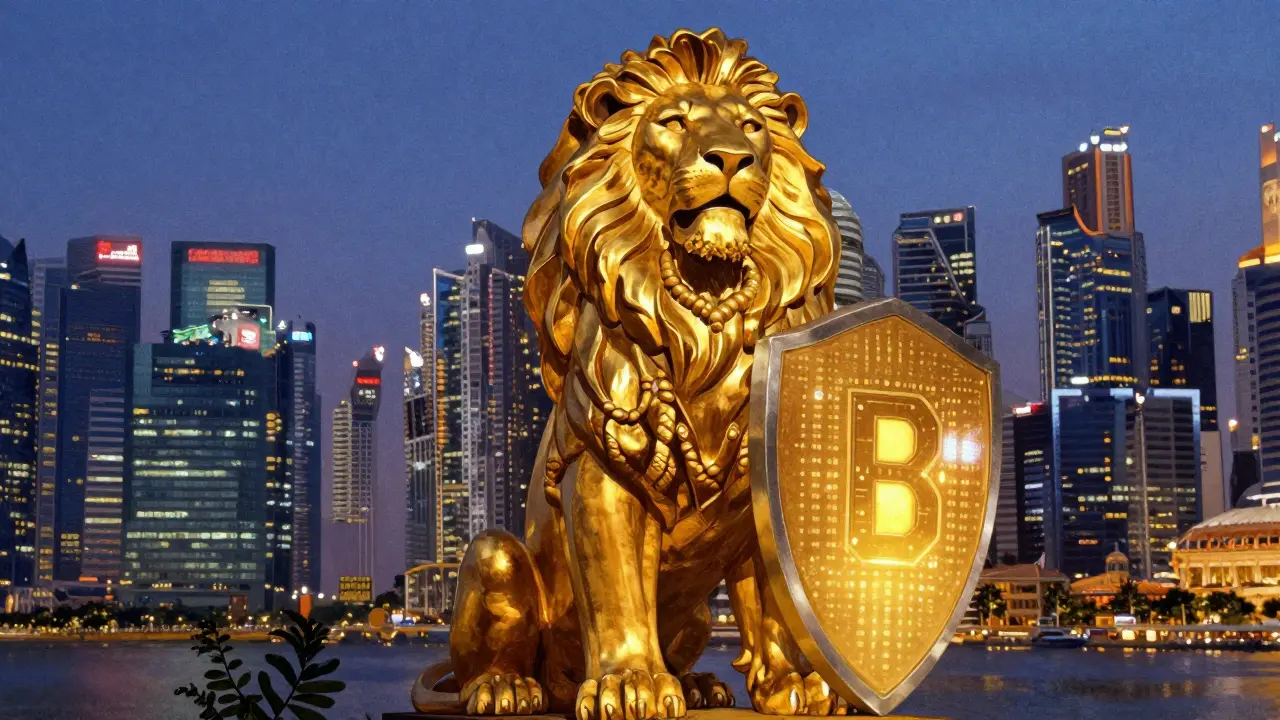
Did you know that as of mid-2026, running a crypto business from Singapore without a specific license is effectively illegal, even if your customers are all overseas? The landscape shifted dramatically on June 30, 2025. If you are looking to launch or scale a digital asset project in the Lion City, the old rules no longer apply. The Monetary Authority of Singapore (MAS) has closed the door on unlicensed operations with zero transition period for new entrants.
This isn't just about filling out forms. It’s about navigating one of the world’s strictest yet most clear regulatory environments. For founders and investors, understanding this framework is the difference between building a compliant global hub and facing severe financial penalties. Here is what you need to know about the current reality of doing crypto business in Singapore.
The Big Shift: From PSA to FSMA
To understand where we stand in 2026, we have to look at how we got here. For years, the Payment Services Act (PSA) of 2020 was the backbone of Singapore’s crypto regulation. It introduced the concept of Digital Payment Tokens (DPTs), which includes assets like Bitcoin and Ethereum. Under the PSA, businesses had to choose between a Standard Payment Institution License or a Major Payment Institution License based on their transaction volume.
But the game changed with the implementation of the Financial Services and Markets Act 2022 (FSMA). This new regime came into full force on June 30, 2025. It replaced the older licensing structures for many activities and introduced a new category: Digital Token Service Providers (DTSPs). The key takeaway? The FSMA has extraterritorial reach. This means if you are a Singapore corporation or resident operating from within Singapore, you must be licensed under FSMA, regardless of whether your clients are in London, New York, or Tokyo. There was no grace period for those starting fresh after this date.
Licensing Requirements for DTSPs
If you are providing services like exchange facilities, custody, or trading platforms for digital tokens, you fall under the DTSP license. The MAS has adopted a highly restrictive approach here. Licenses are not issued automatically; they are granted only in exceptional cases where the applicant demonstrates robust risk management and compliance capabilities.
Here is what the MAS looks for when evaluating a DTSP application:
- Minimum Capital Thresholds: You need significant upfront capital to ensure operational stability. While exact figures can vary based on the specific scope of services, the expectation is high to prevent insolvency risks.
- Singapore-Based Compliance Officer: You cannot outsource this role entirely offshore. A qualified individual must be physically present in Singapore to oversee daily compliance.
- Annual Audits: Expect rigorous scrutiny of your financial statements and internal controls every year.
- Cybersecurity Standards: Your security infrastructure must meet institutional-grade standards to protect customer assets and data.
For smaller operators who previously relied on the lower-barrier Standard Payment Institution License under the PSA, the shift to FSMA represents a significant increase in cost and complexity. Many small-scale wallet providers and niche exchanges have exited the market or consolidated with larger players to share compliance costs.
Anti-Money Laundering (AML) and the Travel Rule
Compliance is not a one-time setup; it is a daily operation. Singapore’s AML framework is anchored by MAS Notice PSN02, commonly known as the Crypto Travel Rule. This notice mandates that all DPT service providers maintain detailed knowledge of their customers and monitor transactions in real-time.
What does this mean in practice? When a user sends funds from Wallet A to Wallet B, both platforms must share sender and receiver information. This applies to transactions above certain thresholds. You need automated systems that can flag suspicious patterns instantly. Manual checks are no longer sufficient. The MAS expects crypto platforms to operate with the same level of transparency and diligence as traditional banks. Failure to report suspicious transactions can lead to immediate license revocation and criminal charges.

Capital Markets and Securities Tokens
Not all digital assets are created equal. If your token offers investment returns, dividends, or shares in profits, it is likely classified as a capital market product. In this case, the Payment Services Act or FSMA alone won’t cut it. You need a Capital Market Services (CMS) License under the Securities and Futures Act (SFA).
This distinction is crucial. Many startups mistakenly believe that because they use blockchain technology, they only need a payment license. But if you are issuing Security Token Offerings (STOs), you are playing in the securities arena. The CMS license requires even stricter governance, higher capital reserves, and adherence to investor protection laws designed for stock markets, not just payment networks.
| License Type | Governing Act | Primary Use Case | Key Requirement |
|---|---|---|---|
| DTSP License | FSMA 2022 | Crypto exchanges, custody, trading platforms | Extraterritorial reach, strict capital requirements |
| CMS License | Securities and Futures Act | Security tokens, ICOs with investment returns | Investor protection, prospectus approval |
| Standard PI License | Payment Services Act | Low-volume payment services (non-crypto focus) | SGD 100k minimum capital, monthly limit SGD 3m |
Stablecoins and Retail Protection
Singapore has also finalized a comprehensive framework for stablecoins. These assets, pegged to fiat currencies like the US Dollar or Singapore Dollar, face even tighter scrutiny. Issuers must maintain full backing and redemption mechanisms. The MAS wants to ensure that if a stablecoin issuer fails, retail investors don’t lose their principal.
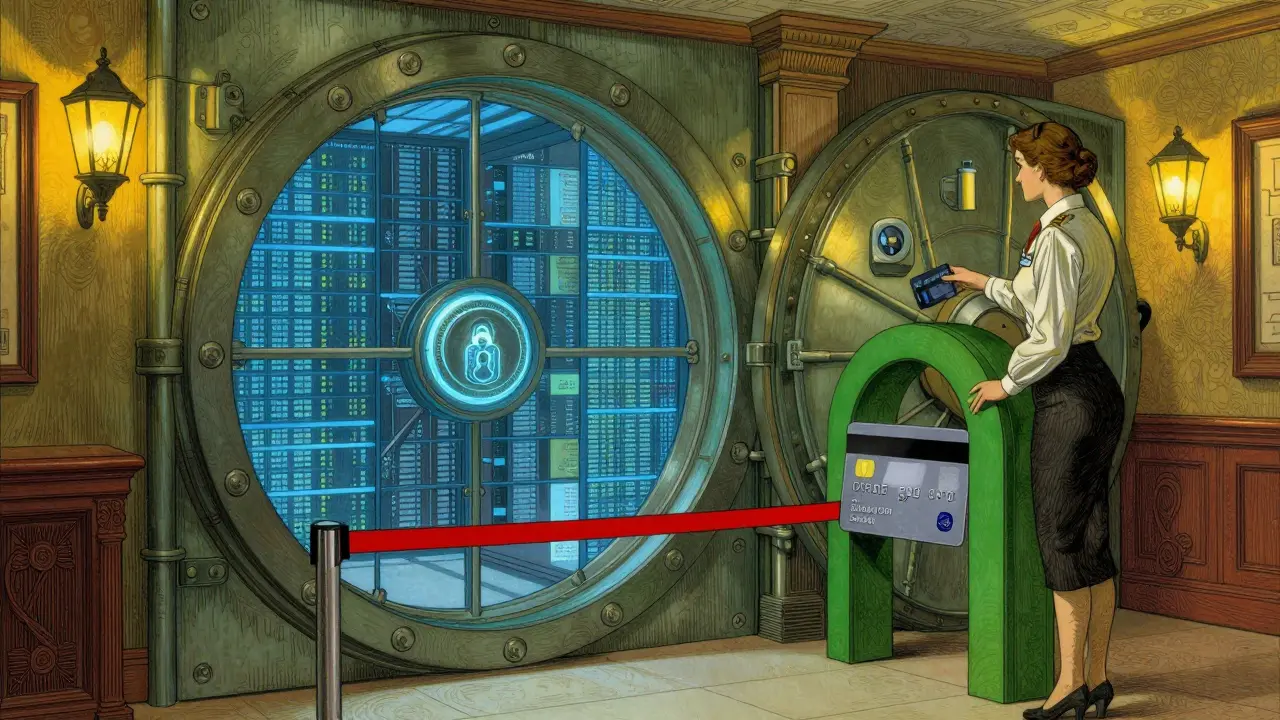
Additionally, note the ban on using credit cards for cryptocurrency purchases. This rule, enforced since 2025, aims to prevent retail investors from taking on excessive debt to speculate in volatile markets. If you are building a platform, your payment gateways must block credit card transactions for crypto buys. Debit cards and bank transfers remain permitted, but the friction is intentional to encourage responsible investing.
Why Singapore Still Wins
Given these restrictions, why do companies still flock to Singapore? Clarity. In the United States, regulatory ambiguity often leads to enforcement actions rather than clear guidelines. In the European Union, MiCAR provides a framework but creates transitional uncertainty. Singapore offers a finished product. You know exactly what the rules are. You know who to talk to at the MAS. And you know that if you follow the rules, you will not be retroactively penalized.
Furthermore, Singapore’s strategic location and strong legal system make it an ideal bridge between Asian and Western markets. For institutional players, the ability to operate with confidence in a jurisdiction that respects property rights and contract law is invaluable. The high cost of compliance is the price of admission to a safe harbor.
Next Steps for Operators
If you are planning to enter the market, start with a gap analysis. Compare your current operations against the FSMA DTSP requirements. Do you have a local compliance officer? Is your cybersecurity audit up to date? Engage with legal counsel early. The MAS encourages dialogue, but they do not tolerate ignorance of the law. Remember, there is no "small player" exemption anymore. If you are in Singapore, you are regulated.
Can I run a crypto business from my home in Singapore without a license?
No. Under the Financial Services and Markets Act 2022 (FSMA), any individual or entity operating from Singapore must obtain a Digital Token Service Provider (DTSP) license, even if serving only overseas clients. There is no exemption for small-scale or residential operations.
What is the difference between the PSA and FSMA licenses?
The Payment Services Act (PSA) was the previous framework for payment services, including some crypto activities. The FSMA, implemented in June 2025, is the new, stricter regime specifically for digital token service providers. FSMA has extraterritorial reach and imposes higher capital and compliance standards than the old PSA licenses.
Do I need a CMS license if I am just exchanging Bitcoin?
Generally, no. Exchanging pure cryptocurrencies like Bitcoin or Ethereum falls under the DTSP license via FSMA. However, if your token offers investment returns or profit-sharing, it may be classified as a security, requiring a Capital Market Services (CMS) license under the Securities and Futures Act.
Is it legal to buy crypto with a credit card in Singapore?
No. Since 2025, the Monetary Authority of Singapore (MAS) has banned the use of credit cards for purchasing cryptocurrencies to protect retail investors from debt-fueled speculation. Debit cards and bank transfers are still allowed.
How long does it take to get a DTSP license?
The process is rigorous and can take several months. It involves submitting detailed business plans, proof of capital, cybersecurity audits, and compliance frameworks. The MAS reviews each application individually, and licenses are issued only in exceptional cases where risk management is proven robust.