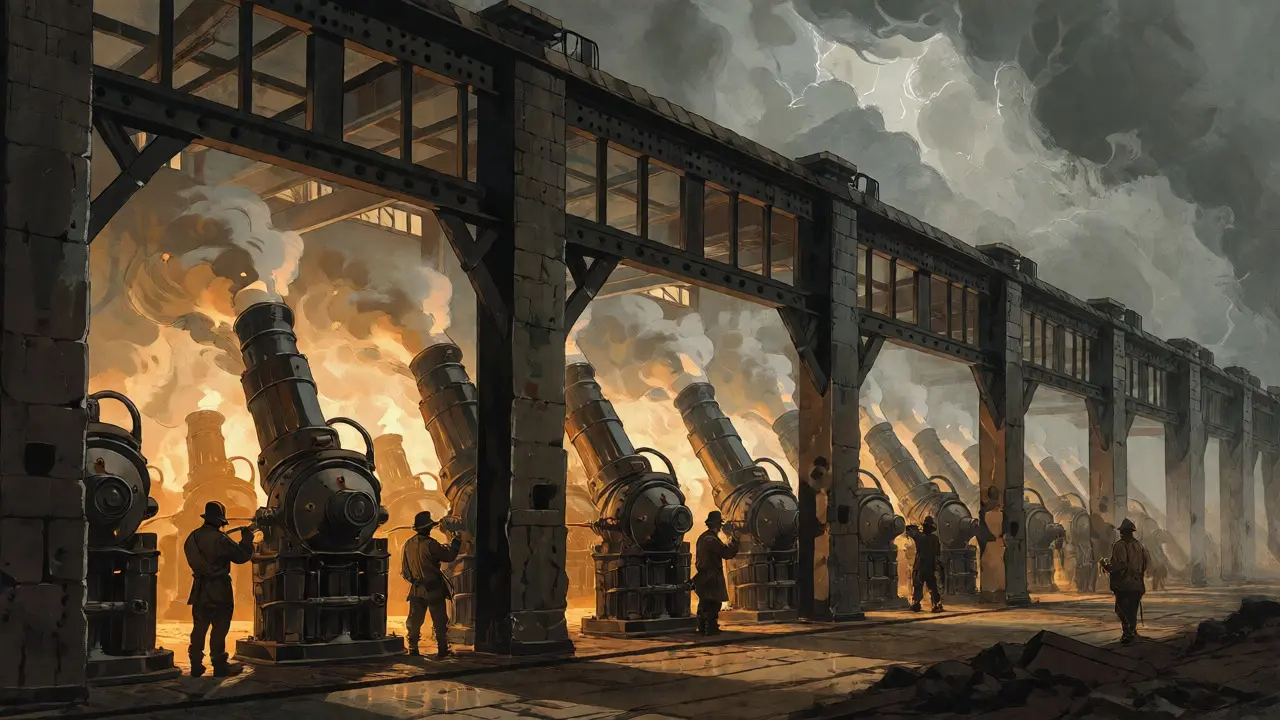
Remember when you could mine Bitcoin on your gaming PC and make enough to cover your electricity bill? Those days are long gone. If you're looking at mining altcoins vs Bitcoin today, you're not just choosing between two coins; you're choosing between two completely different worlds of technology, capital requirements, and risk profiles.
Here is the hard truth: Bitcoin mining has become an industrial arms race. Unless you have access to cheap industrial power and expensive Application-Specific Integrated Circuit (ASIC) machines, you are likely losing money. Altcoin mining, however, still offers a playground for hobbyists and smaller investors who want to use consumer-grade hardware like GPUs or CPUs. But is it actually profitable in late 2026, or is it just a way to burn cash faster?
The Core Difference: Industrial Scale vs. Home Setup
Let's strip away the hype. The fundamental difference isn't just about price charts; it's about accessibility. Bitcoin is the first decentralized cryptocurrency created by Satoshi Nakamoto, secured by Proof of Work using SHA-256 hashing. Its network is so secure and competitive that only specialized ASICs can compete. In contrast, many Altcoins are alternative cryptocurrencies that often utilize different consensus mechanisms or algorithms designed to be resistant to ASIC dominance, allowing regular computers to participate.
If you try to mine Bitcoin with a standard computer, you might earn pennies per year while burning dollars in electricity. It’s like trying to win a Formula 1 race on a bicycle. On the flip side, mining an algorithm-resistant coin like Monero on a high-end CPU can actually yield a positive return, especially if you already own the hardware.
Why Bitcoin Mining Is So Hard Now
Since the fourth halving in April 2024, the block reward dropped to 3.125 BTC. This event doubled the difficulty for miners because the supply of new coins entering the market was cut in half overnight. While this scarcity often drives the price up long-term, it squeezes profit margins immediately.
To stay profitable, Bitcoin miners need three things:
- Ultra-cheap electricity: You generally need rates below $0.05-$0.07 per kWh. If you pay residential rates (which are often $0.15+ in places like New Zealand or parts of Europe), you are working for free.
- High-efficiency ASICs: Machines like the latest Whatsminer or Antminer series cost thousands of dollars. They are loud, hot, and depreciate quickly as newer models launch.
- Scale: Individual home miners rarely survive alone. Most join large pools where rewards are shared, but fees eat into profits.
Despite these hurdles, Bitcoin remains the most stable asset to mine. Its market cap is massive, and institutional demand keeps its value relatively predictable compared to the wild swings of smaller coins. For large operations with subsidized energy (like those in Texas or Kazakhstan), Bitcoin mining is still a viable business model.
The Case for Altcoins: Flexibility and Entry Barriers
Altcoins offer a different value proposition: lower barriers to entry. You don’t need a warehouse full of ASICs. You can start with what you have.
Litecoin: The Silver to Bitcoin’s Gold
Litecoin is a peer-to-peer cryptocurrency created by Charlie Lee in 2011, based on the Scrypt algorithm which allows for faster transaction times than Bitcoin. Litecoin uses Scrypt, which is less energy-intensive than Bitcoin’s SHA-256. While ASICs exist for Litecoin now, they are cheaper and more accessible than Bitcoin rigs. Plus, Litecoin supports merged mining with Dogecoin, meaning you can earn both coins simultaneously without extra energy costs. This dual-revenue stream helps buffer against price drops in either coin.
Monero: The Privacy Play
If you hate centralization, Monero is a privacy-focused cryptocurrency that uses RandomX proof-of-work algorithm to ensure ASIC resistance, making it ideal for CPU mining. Monero deliberately designs its protocol to punish ASICs. This means you can mine it effectively with a powerful CPU, like an AMD Ryzen 9. For someone who already owns a decent desktop PC, starting Monero mining costs almost nothing upfront. It’s volatile, yes, but the community is strong, and the privacy features drive real-world utility.
Ethereum Classic & Others
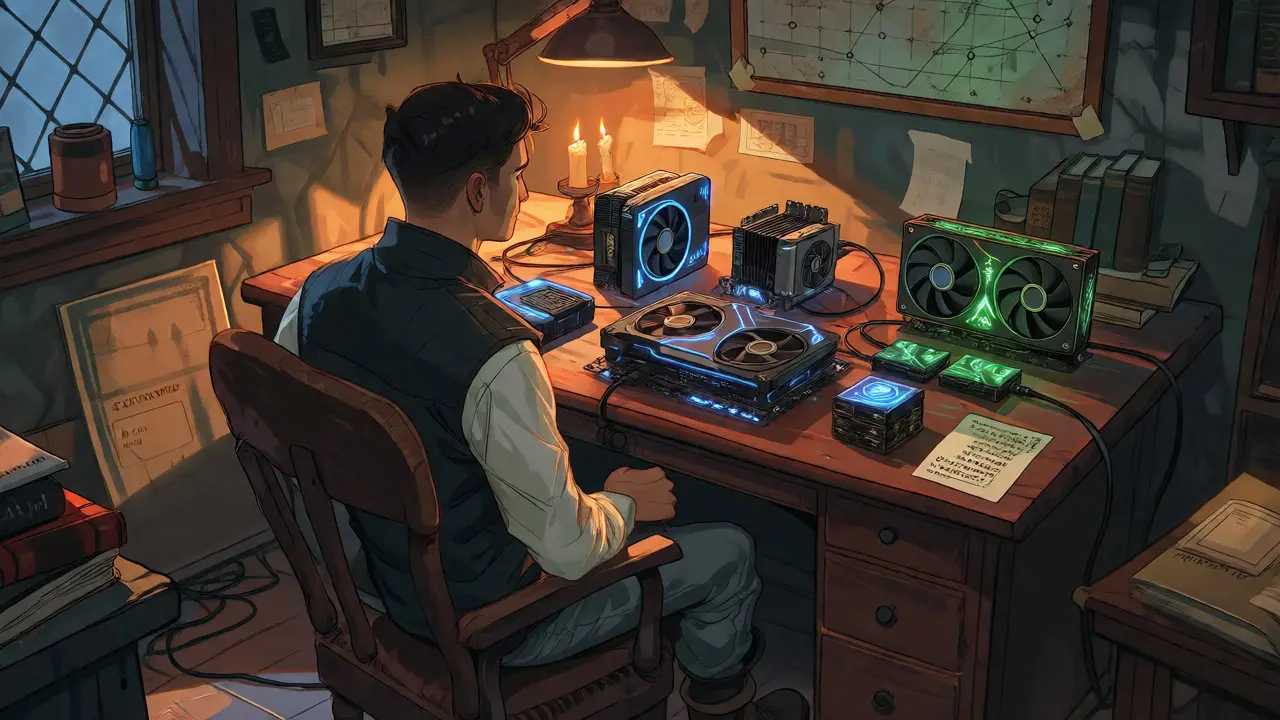
After Ethereum moved to Proof of Stake in 2022, GPU miners had to find new homes. Many flocked to Ethereum Classic is the original Ethereum blockchain that continues to use Proof of Work, retaining the smart contract capabilities of the original network. ETC uses the Ethash algorithm, which is memory-hard and friendly to GPUs. Other options like Ravencoin or Kaspa also cater to GPU miners, offering higher potential returns during bull runs but carrying significantly higher risk.
Profitability Comparison: Numbers Don't Lie
Let's look at a realistic scenario for October 2026. We assume average global electricity costs and current network difficulties.
| Cryptocurrency | Hardware Required | Initial Investment | Electricity Sensitivity | Risk Level |
|---|---|---|---|---|
| Bitcoin | ASIC (e.g., Antminer S21) | $10,000+ | Extreme | Low (Asset Stability) |
| Litecoin | Scrypt ASIC | $2,000 - $5,000 | High | Medium |
| Monero | CPU (AMD Ryzen) | $0 (if owned) | Moderate | High (Volatility) |
| Ethereum Classic | GPU (RTX 4090) | $1,500 - $2,000 | High | Very High |
Notice the trend? As you move from Bitcoin to altcoins, the initial investment drops, but the volatility-and therefore the risk-skyrockets. Bitcoin gives you steady, small crumbs. Altcoins give you feast-or-famine outcomes.
The Hidden Costs Nobody Talks About
It’s not just about buying the rig. Here are the silent killers of mining profits:
- Heat and Noise: An ASIC sounds like a jet engine taking off inside your living room. If you live in an apartment, this is a dealbreaker unless you have soundproofing. Altcoins mined on GPUs are quieter but still generate significant heat, raising your AC bills in summer.
- Depreciation: Hardware loses value fast. A top-tier ASIC bought today might be obsolete in 18 months. GPUs hold value better because they have secondary markets (gaming, AI rendering).
- Difficulty Adjustments: When a coin becomes popular, difficulty spikes. You might start earning $5/day, then wake up to $2/day because ten thousand other people started mining the same coin. Bitcoin adjusts slowly; small altcoins can change overnight.

Who Should Mine What?
So, how do you decide? Ask yourself these questions:
- Do you have cheap power? If you’re paying over $0.12/kWh, skip Bitcoin entirely. Look at Monero or other CPU-minable coins where efficiency matters less than raw capability.
- Are you tech-savvy? Bitcoin mining is plug-and-play once set up. Altcoin mining requires constant monitoring, switching algorithms, and managing wallets across multiple exchanges. It’s a hobby, not passive income.
- What’s your goal? If you want to accumulate Bitcoin long-term, mining it directly makes sense despite the hassle. If you’re speculating on the next big breakout, altcoin mining lets you acquire tokens at a discount before they hit major exchanges.
In Wellington, where electricity isn't exactly dirt cheap compared to hydro-rich regions in China or wind-heavy areas in Iceland, home mining is tough. However, the community aspect of altcoin mining keeps many locals engaged. It’s less about getting rich quick and more about participating in the network.
Final Verdict: Stability vs. Opportunity
There is no single "winner" in the mining altcoins vs Bitcoin debate. It depends entirely on your resources and risk tolerance.
Choose Bitcoin if you have capital, access to sub-$0.05/kWh electricity, and want to build a position in the most established digital asset. It’s a slow grind, but the destination is clear.
Choose Altcoins if you have existing hardware, tolerate high volatility, and enjoy the technical challenge. You won’t get rich overnight, but you might pick up valuable assets on the cheap while learning the ropes of blockchain mechanics.
Whatever you choose, run the numbers twice. Check a calculator like WhatToMine or NiceHash daily. The market changes fast, and yesterday’s winner can be today’s loss leader.
Can I mine Bitcoin with a normal computer?
Technically yes, but practically no. The network difficulty is so high that a standard CPU or GPU would take decades to mine a single block. You would spend far more on electricity than you would ever earn in Bitcoin. Specialized ASIC hardware is required for any meaningful results.
Which altcoin is easiest to mine for beginners?
Monero is widely considered the most beginner-friendly for home setups because it is CPU-mineable. You don't need to buy expensive specialized hardware; you can use the processor you already have in your desktop PC. It also has robust software support like XMRig that simplifies the setup process.
Is mining still profitable after the 2024 Bitcoin halving?
For large-scale industrial miners with very low electricity costs, yes. For home miners paying residential rates, it is extremely difficult to remain profitable with Bitcoin alone. Altcoins may offer better margins depending on their specific market price and network difficulty at the time.
What happens to my mining rig if the coin crashes?
If the coin you are mining loses value, your revenue drops. With Bitcoin, the asset retains some inherent value. With altcoins, the token could drop 90% in value, making your hardware useless for that specific purpose. However, GPUs retain resale value for gaming or AI tasks, whereas ASICs often become e-waste if the coin they mine fails.
Do I need to join a mining pool?
Yes, for almost all scenarios. Solo mining is like playing the lottery; you might go months without finding a block. Mining pools combine the computing power of many miners and distribute rewards proportionally, providing a steady, albeit smaller, income stream. This reduces variance and makes profitability easier to predict.