
Imagine buying a ticket to your favorite musician’s concert. Usually, that money disappears into the venue’s pocket, leaving you with just a memory. Now imagine that ticket was a digital asset that could appreciate in value, grant you voting rights on their next album cover, or even pay for exclusive backstage passes later. This is not science fiction; it is the reality of social tokens, which are blockchain-based digital assets issued by creators to establish direct economic relationships with their audiences.
The traditional creator economy relies heavily on intermediaries. Platforms like YouTube, Instagram, or Patreon take significant cuts, often ranging from 15% to 30%, while offering creators limited control over their data and audience. Social tokens flip this model. They allow artists, influencers, and brands to bypass these gatekeepers, creating perpetual revenue streams directly tied to community engagement. For supporters, it transforms passive consumption into active investment.
What Exactly Are Social Tokens?
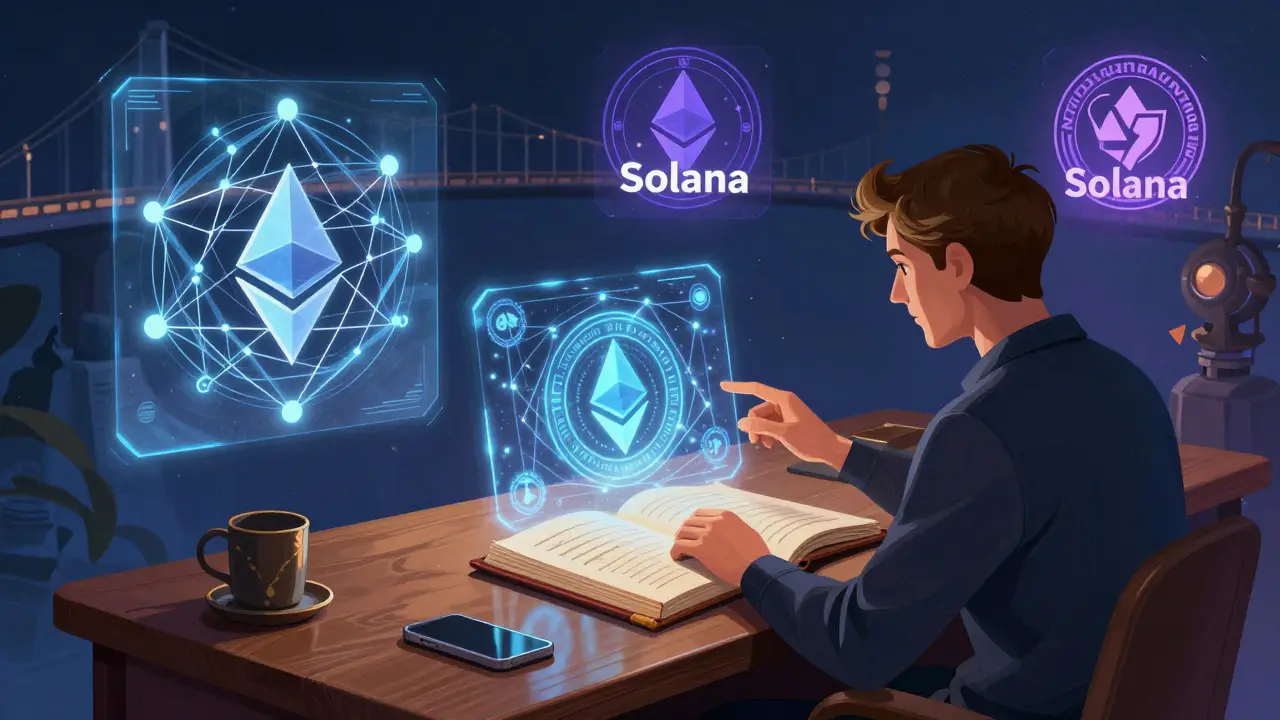
Social tokens are cryptocurrencies or digital assets built on smart contract blockchains. Unlike Bitcoin, which aims to be a universal store of value, social tokens are specific to an individual or brand. If a chef issues a token, its value is tied to that chef’s reputation, content, and community growth. These tokens typically operate on networks like Ethereum, Polygon, and Solana. The choice of network matters because it affects transaction speeds and costs (gas fees). Ethereum offers robust security but higher fees, while Polygon and Solana provide faster, cheaper transactions, making them popular for micro-transactions within communities.
It is crucial to distinguish social tokens from Non-Fungible Tokens (NFTs). An NFT is unique-like a one-of-a-kind painting. You cannot swap one Bored Ape for another identical one because they are distinct. Social tokens, however, are fungible. One token from Creator A is identical in value and function to another token from Creator A. This fungibility allows them to have a clear spot market price, tradeable on decentralized exchanges (DEXs) or centralized platforms. This transparency means holders can easily check the current value and sell their tokens if needed, providing liquidity that static NFTs often lack.
The Dual Engine: Utility and Governance
Value in any currency comes from what you can do with it. In the world of social tokens, this is defined by utility and governance. Without real-world or digital benefits, a social token is merely a speculative bet on fame. Successful projects build comprehensive utility frameworks that justify ownership beyond simple hype.
Access and Perks: The most common utility is access. Holding a certain number of tokens might unlock private Discord channels, invite-only Zoom calls, or early access to merchandise drops. Think of it as a dynamic VIP pass. Unlike a static membership fee, this access is tied to an asset you own. If the creator launches a new tier of exclusivity, existing holders may automatically qualify, rewarding long-term loyalty.
Governance Rights: This is where social tokens diverge sharply from traditional subscriptions. Token holders often gain voting power. They might vote on the next song a band records, the design of a new product line, or charitable donations the creator makes. This transforms fans into stakeholders. When a community feels heard, engagement spikes. It creates a feedback loop where the creator listens to the people funding them, leading to better products and stronger loyalty.
| Feature | Traditional Subscription (e.g., Patreon) | Social Tokens |
|---|---|---|
| Ownership | Rental model (cancel anytime) | Asset ownership (tradeable) |
| Platform Fees | High (15-30%) | Low (network gas fees only) |
| Resale Value | None | Potential appreciation/depreciation |
| Community Role | Passive consumer | Active stakeholder/governor |
| Portability | Locked to platform | Portable across wallets/exchanges |
How Value Is Determined
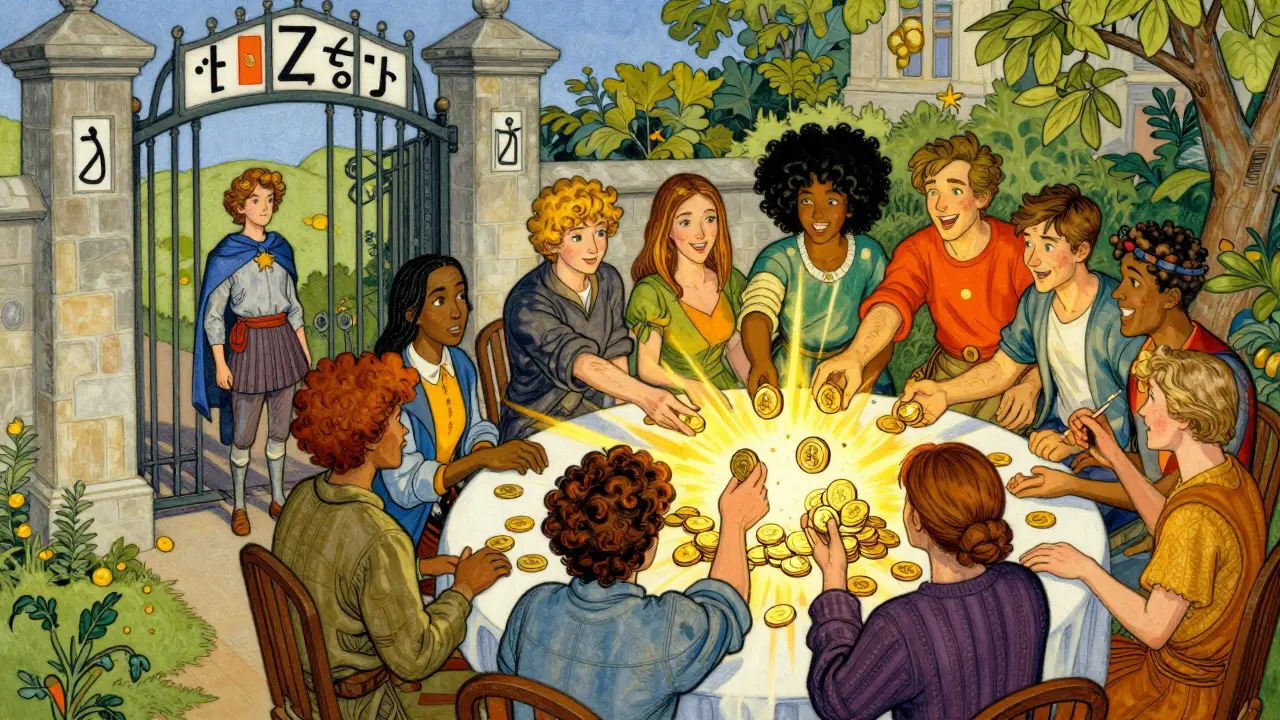
If you have ever wondered why some social tokens cost cents while others reach hundreds of dollars, the answer lies in basic supply and demand dynamics amplified by blockchain transparency. The value is not set by the creator arbitrarily; it is determined by the market.
When a creator launches a token, they issue a fixed or variable supply. Early adopters buy in at a low price. As the creator gains more followers, releases high-quality content, or expands utility (like adding staking rewards), demand increases. Because the supply is often capped or slowly increasing, the price rises. Conversely, if the creator loses relevance or fails to deliver promised utilities, demand drops, and the token value falls. This creates a direct financial alignment between the creator’s success and the holder’s portfolio.
This mechanism also democratizes the creator economy. In the past, only celebrities with millions of followers could monetize effectively through endorsements. Now, niche experts-a specialized coder, a local artist, or a fitness coach-can build a dedicated, paying community. The barrier to entry is no longer mass appeal but deep engagement. A creator with 1,000 highly engaged token holders can generate more sustainable revenue than one with 100,000 passive viewers who never spend a dime.
Building a Sustainable Ecosystem
Launching a social token is easy; maintaining its value is hard. Many early projects failed because they treated tokens as quick cash grabs rather than long-term relationship tools. To build a sustainable ecosystem, creators must focus on three pillars: consistent content, evolving utility, and transparent communication.
Consistent Content: The token is a promise. If the content stops, the value evaporates. Creators must treat their token-holding community as their primary audience, delivering value regularly. This doesn’t mean daily posts, but rather meaningful interactions that remind holders why they invested.
Evolving Utility: Static perks get stale. Successful projects introduce new layers of utility over time. This might include integrating with decentralized finance (DeFi) protocols, allowing holders to stake tokens for yield, or partnering with other creators for cross-promotions. For example, a gaming streamer might partner with a hardware brand, offering token holders discounts on peripherals. This expands the token’s usefulness beyond the creator’s immediate circle.
Transparent Communication: Blockchain is public. Transactions, holdings, and smart contract code are visible. Creators should leverage this transparency. Regular updates on treasury usage, upcoming roadmap milestones, and honest discussions about challenges build trust. Trust is the ultimate driver of long-term token value.
Technical Implementation and Wallets
For users, interacting with social tokens requires a shift from web2 habits to web3 infrastructure. You cannot simply click "Subscribe" with a credit card. You need a digital wallet, such as MetaMask or Phantom, depending on the blockchain used. This wallet stores your private keys, which prove ownership of your tokens.
The process involves connecting your wallet to a marketplace or decentralized exchange. You will need a small amount of the native cryptocurrency (like ETH for Ethereum or SOL for Solana) to pay for transaction fees. While this sounds technical, user interfaces are improving rapidly. Many platforms now offer fiat on-ramps, allowing users to buy tokens directly with bank transfers or cards, abstracting away much of the complexity.
Creators must also consider the technical architecture. Smart contracts govern the token’s behavior. They define how many tokens exist, who can mint new ones, and how royalties are distributed. Using audited, reputable smart contract templates is essential to avoid security vulnerabilities. A hacked token contract can wipe out a community’s value instantly.
Future Trends: DeFi Integration and Yield
As we move further into 2026, social tokens are evolving beyond simple access passes. The integration with Decentralized Finance (DeFi) is opening new avenues for value generation. Holders can now stake their social tokens in liquidity pools to earn yield, effectively getting paid to support their favorite creator. This creates a passive income stream for fans, enhancing the token’s attractiveness.
We are also seeing the rise of fractionalized ownership. High-value assets, like a rare piece of art or a physical property owned by a creator, can be tokenized. Social token holders might receive dividends from the rental income or resale profits of these assets. This blurs the line between fandom and investment, creating a hybrid model where emotional connection and financial incentive reinforce each other.
Interoperability is another key trend. Tokens issued on one blockchain are becoming easier to bridge to others. This means a fan holding a token on Polygon might soon use it to access experiences on a Solana-based platform, expanding the utility network significantly. As standards mature, we expect to see social tokens integrated into broader metaverse economies, serving as currency for virtual goods and experiences across multiple platforms.
Are social tokens legal investments?
The legal status of social tokens varies by jurisdiction. In many regions, they are classified as digital collectibles or utility tokens, not securities. However, if a token promises guaranteed returns or profit based on the efforts of others, it may be deemed a security by regulators like the SEC in the US. Always consult local regulations and tax laws before participating.
Can I lose all my money investing in social tokens?
Yes. Social tokens are highly volatile and speculative. If a creator loses popularity, faces scandal, or abandons the project, the token value can drop to near zero. Never invest more than you can afford to lose, and view it as supporting a creator first, with potential upside as a secondary benefit.
How do I start creating my own social token?
Start by choosing a platform that simplifies the process, such as Rally, Goldsky, or various DEX launchpads. Define your utility clearly-what will holders get? Set a fair initial supply and price. Engage your existing community before launch to ensure initial liquidity. Finally, ensure you understand the technical requirements for managing a smart contract and distributing tokens securely.
What is the difference between a social token and an NFT?
NFTs are unique, non-interchangeable assets, like a specific tweet or artwork. Social tokens are fungible, meaning every token is identical and interchangeable, like dollars in a wallet. NFTs are often one-time purchases, while social tokens are traded on markets with fluctuating prices and often provide ongoing access or governance rights.
Do I need to know coding to use social tokens?
No. Users only need to manage a crypto wallet and connect it to a marketplace. Most platforms offer user-friendly interfaces similar to online shopping. Creators may benefit from technical knowledge or using no-code tools to deploy tokens, but coding is not strictly necessary for basic implementation.