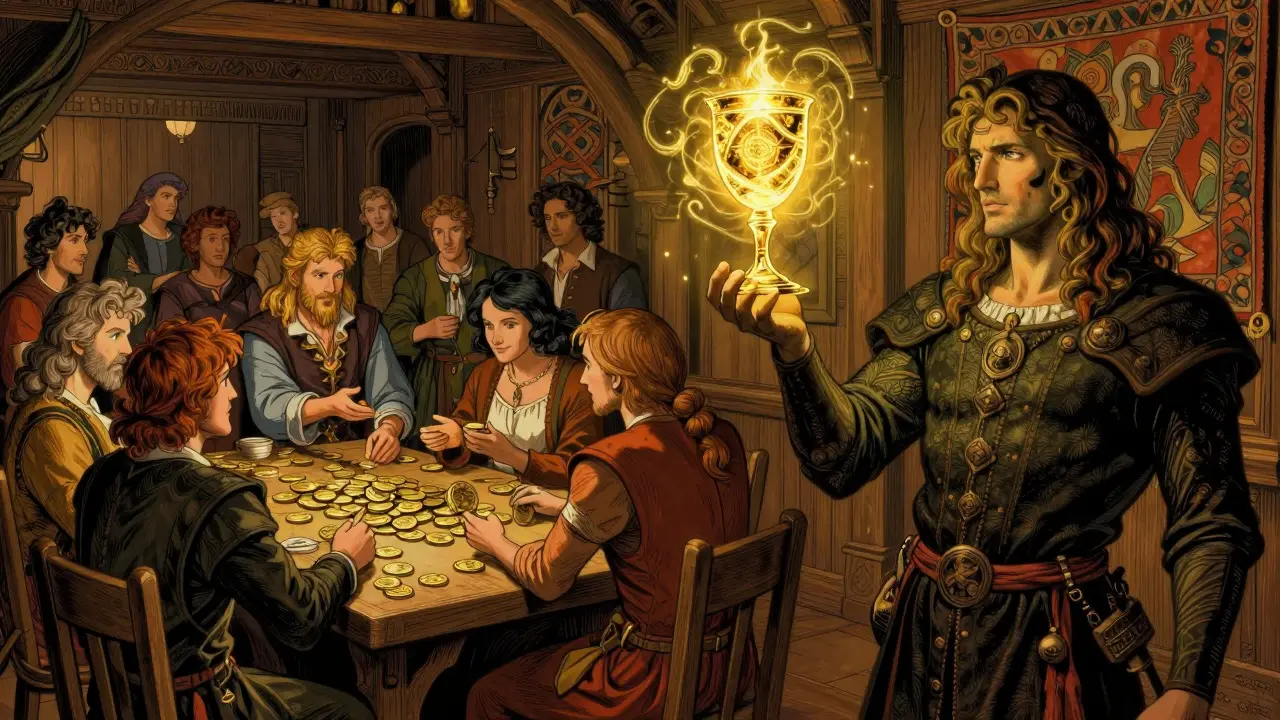
Imagine you want to support your favorite musician. You have two choices: buy a unique piece of their digital art that proves you own it, or buy a token that gets you into their private chat group and lets you vote on their next single. These are not the same thing. One is a NFT, which stands for Non-Fungible Token, representing unique ownership. The other is a Social Token, a fungible asset that grants access and community rights. Confusing these two can cost you money or miss out on real value. Understanding the difference between social tokens and NFTs is crucial as we navigate the evolving digital economy in 2026.
The Core Difference: Fungibility vs. Uniqueness
The biggest divide between these two assets comes down to one word: fungibility. In simple terms, fungible means interchangeable. Think of a dollar bill. If I give you a $10 bill and you give me another $10 bill, we both still have $10. It doesn’t matter which specific bill we hold; the value is identical. Social tokens work exactly like this. Each token has the same value and function as any other token in the same collection.
NFTs are the opposite. They are non-fungible. No two NFTs are alike. Even if they look similar, their underlying code on the blockchain is unique. This uniqueness makes them perfect for representing one-of-a-kind items like digital art, collectibles, or virtual real estate. When you buy an NFT, you aren't just buying a membership; you are buying a specific, verifiable piece of digital property.
| Feature | Social Tokens | NFTs |
|---|---|---|
| Fungibility | Fungible (Interchangeable) | Non-Fungible (Unique) |
| Primary Value Driver | Access, Utility, Community | Scarcity, Ownership, Art |
| Token Standard | ERC-20 (Ethereum), SPL (Solana) | ERC-721, ERC-1155 |
| Use Case Example | Voting rights, exclusive content access | Digital art, gaming items, collectibles |
| Valuation Clarity | Clear exchange rates | Subjective, market-driven |
How Social Tokens Build Communities
Social tokens are designed to strengthen relationships between creators and their fans, or within communities themselves. They act as a digital currency for engagement. Instead of paying a monthly subscription fee to a platform like Patreon, you might buy a creator’s social token. Holding that token gives you perks. The more tokens you hold, the deeper your access.
We’ve seen major figures adopt this model. For instance, legendary musician Sting launched a social token called STG. Fans who bought STG didn’t just get a receipt; they got access to exclusive content, early ticket sales, and even the ability to influence his creative process. Similarly, Polish pop star Doda created tokens that gave fans private daily updates. Athletes like Robert Lewandowski have also used social tokens to offer exclusive fan benefits tied to their personal brand.
These tokens fall into three main categories:
- Personal/Creator Tokens: Issued by individuals like musicians, influencers, or athletes. They reward loyalty and grant access to the creator’s inner circle.
- Community Tokens: Designed for groups or collectives. Holders often get governance rights, meaning they can vote on decisions affecting the community.
- Platform Tokens: Used to encourage participation on specific platforms or ecosystems, rewarding users for contributing to the network.
The beauty of social tokens is their liquidity. If you no longer want to be part of the community, you can sell your tokens back to another fan. This creates a secondary market where the value is determined by how much people want that access. Unlike a physical ticket that expires after an event, a social token can retain value as long as the community remains active.
Why NFTs Focus on Ownership and Scarcity
If social tokens are about belonging, NFTs are about owning. Built primarily on the Ethereum blockchain using standards like ERC-721, NFTs represent indivisible assets. Each NFT has a unique identifier on the blockchain, making it impossible to duplicate or replace with another token.
This technology revolutionized digital art. Before NFTs, sending a JPEG file meant the recipient could copy it infinitely. With an NFT, you can prove who owns the original version. This proof of ownership drives value through scarcity. Just like there is only one Mona Lisa, there might be only one specific digital artwork available as an NFT.
NFTs excel in scenarios where uniqueness matters. Digital artists use them to sell their work directly to collectors without galleries taking huge cuts. Gamers use NFTs to own in-game items-like a rare sword or skin-that they can trade or sell outside the game. Virtual real estate projects use NFTs to represent plots of land in metaverse worlds. The value here is subjective but powerful. Some rare NFTs have sold for millions of dollars because of their cultural significance, rarity, or association with famous creators.
However, this uniqueness comes with complexity. Managing individual metadata for each NFT requires more technical effort than issuing fungible tokens. Transaction costs (gas fees) can also be higher when minting or trading unique assets compared to batch-transferring social tokens.
Technical Architecture: Simplicity vs. Complexity
Under the hood, the technical differences reflect their purposes. Social tokens typically use fungible token standards like ERC-20 on Ethereum or SPL on Solana. These standards are optimized for efficiency. They allow for batch transfers, meaning a creator can send thousands of tokens to fans quickly and cheaply. The smart contracts governing these tokens are simpler because every token is identical.
NFTs, on the other hand, rely on non-fungible standards like ERC-721 or ERC-1155. Each token needs its own unique metadata pointing to the digital asset it represents. This requires more storage and computational power on the blockchain. While this adds cost and complexity, it ensures the integrity of the unique asset. For example, if you buy a Bored Ape Yacht Club NFT, the blockchain guarantees that specific ape belongs to you, not someone else.
For creators, this means different implementation paths. Launching a social token is generally easier and cheaper. You don’t need to create unique metadata for each unit. You just set up the total supply and distribute them. Launching an NFT collection requires designing each item, managing its metadata, and often building custom smart contract features for royalties or staking.
Real-World Applications and Hybrid Models
In practice, many projects now blend both models to maximize value. Consider a hybrid approach: an artist sells an NFT of their painting (ownership) while also issuing social tokens that grant holders access to behind-the-scenes videos or voting rights on future designs (access). This combines the prestige of owning a unique asset with the ongoing utility of community participation.
The Shiba Inu community provides a practical example of social token utility. Their SHIB token isn’t just a meme coin; it grants access to private Telegram groups and decision-making processes. Holders can sell this access if they leave the community, providing real-world liquidity. This flexibility is hard to achieve with pure NFTs, which are often static assets.
For businesses, social tokens offer new ways to build loyalty programs. Instead of points that expire, customers can hold tokens that appreciate in value if the brand succeeds. NFTs, meanwhile, remain ideal for limited-edition merchandise or verifiable certificates of authenticity.
Risks and Regulatory Considerations
As with any emerging technology, risks exist. Regulatory uncertainty surrounds social tokens, particularly whether they might be classified as securities depending on how they are marketed and used. Experts warn that social tokens can be targets for scammers due to their complex nature and lack of widespread understanding.
NFTs face different challenges. Market volatility is high, and values can crash if interest wanes. Additionally, environmental concerns persist regarding the energy consumption of blockchains like Ethereum, though many networks are moving toward more efficient consensus mechanisms.
Due diligence is essential. Always verify the team behind a project, understand the utility of the token or NFT, and never invest more than you can afford to lose. The clarity of exchange rates in social tokens makes them somewhat easier to evaluate than the subjective valuation of NFTs, but neither is immune to market swings.
Which One Is Right for You?
Your choice depends on your goals. If you want to support a creator, engage with a community, and potentially benefit from collective growth, social tokens are likely the better fit. They offer clear utility, lower entry barriers, and ongoing interaction. If you are a collector, artist, or gamer looking to own unique digital assets with provable scarcity, NFTs provide that exclusivity. They are digital trophies that signal status and ownership.
As the digital economy matures in 2026, the lines may continue to blur. We may see more integrated platforms where social tokens and NFTs work together seamlessly. But for now, understanding their distinct roles helps you make smarter decisions in the blockchain space.
What is the main difference between a social token and an NFT?
The main difference is fungibility. Social tokens are fungible, meaning each token is identical and interchangeable, focusing on access and community utility. NFTs are non-fungible, meaning each token is unique and indivisible, focusing on ownership of specific digital assets like art or collectibles.
Can social tokens increase in value like NFTs?
Yes, social tokens can increase in value based on demand for the access or privileges they grant. However, their value is often tied to the ongoing activity and reputation of the creator or community, whereas NFT value is heavily driven by scarcity and collector sentiment.
Are social tokens safer than NFTs?
Neither is inherently safer. Social tokens face regulatory uncertainty and potential scams related to false promises of utility. NFTs face market volatility and risks associated with unproven digital assets. Both require careful research and due diligence before investing.
How do celebrities use social tokens?
Celebrities like Sting and Robert Lewandowski use social tokens to reward loyal fans with exclusive content, early access to events, and voting rights on creative decisions. This creates a direct financial link between the fan's support and the artist's success.
What blockchain standards are used for social tokens and NFTs?
Social tokens typically use fungible standards like ERC-20 on Ethereum or SPL on Solana. NFTs use non-fungible standards like ERC-721 or ERC-1155, which ensure each token has a unique identifier and metadata.